
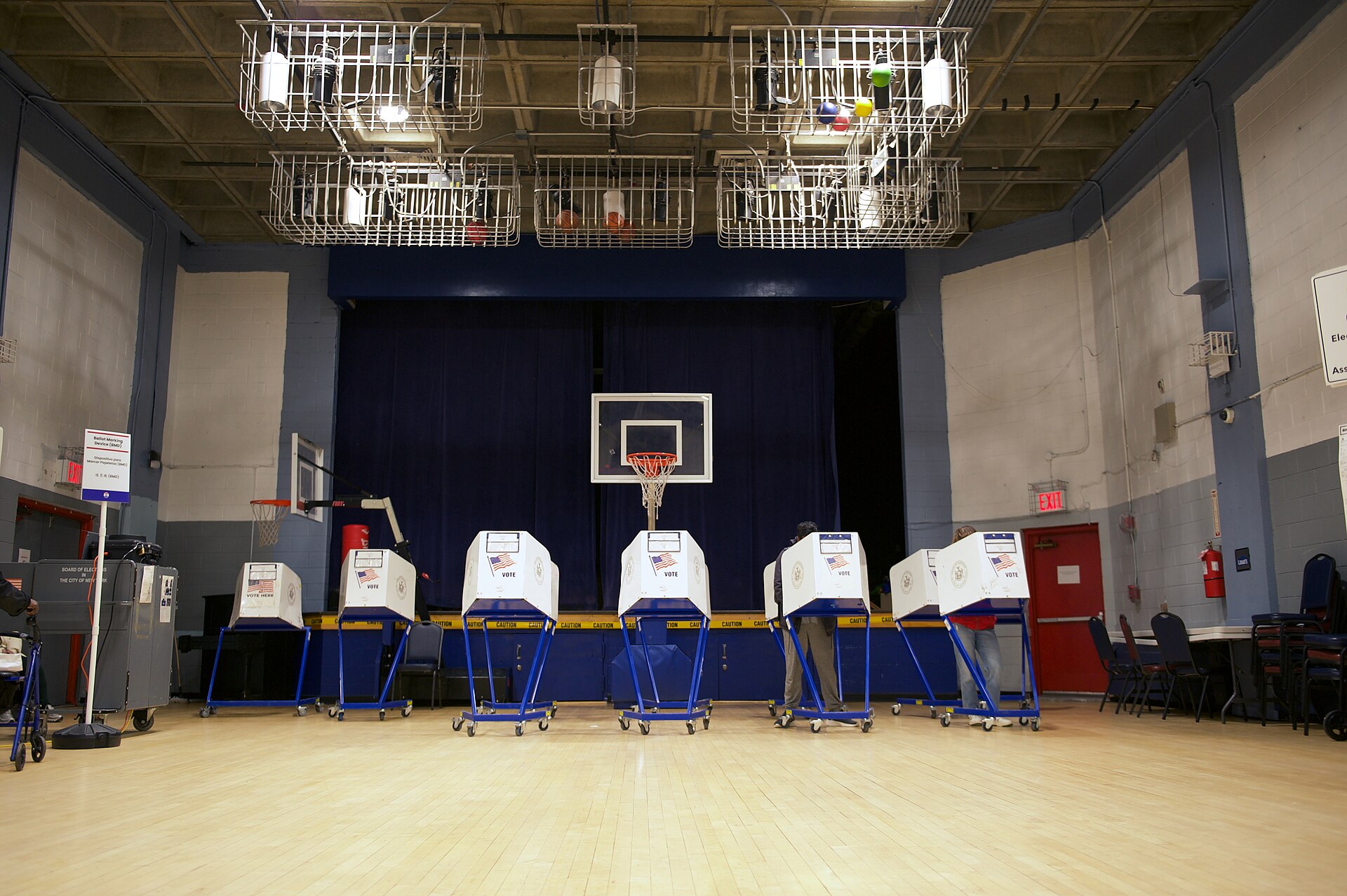
Confidence in elections depends on clear rules, accessible participation, careful administration, transparent checks, and honest communication.
Election integrity is not the work of one machine or one day. State and local officials prepare voter lists, test equipment, support poll workers, secure and count ballots, review results, and explain what happened. Procedures differ by jurisdiction, so a serious discussion should identify the place and rule rather than assume the same process applies everywhere.
The U.S. Election Assistance Commission describes safeguards that include testing, physical controls, audits, and post-election review. Those practices matter when they are documented, applied consistently, and explained clearly. Citizens can learn local procedures, check claims against official sources, and volunteer through authorized channels. Trust is built through fair rules, competent administration, and accountability—not demands for loyalty or unexamined rumors.
Communication matters after voting ends, too. Officials should explain how counting, canvassing, audits, and certification work locally and where results can be found. People with concerns should be directed to an established review process. Clear answers help distinguish a verifiable problem from a claim that has not been substantiated.
Comments on Election integrity is a practice, not a slogan