
Public problems don't become smaller because we argue about them louder. Progress starts when we ask what isn't working, what evidence we have, and how we would recognize a better outcome.
A family struggling with the cost of living, a small-business owner navigating government forms, or a resident trying to obtain a public record may have very different concerns. Yet each deserves an honest account of what public institutions are doing and whether a proposed reform would actually help.
The National Coalition has twelve areas of concern, from economic opportunity and education to justice, immigration, labor representation, and equal civic participation for people with disabilities. We shouldn't pretend these issues can be fixed by one slogan or one political party. They call for different tools, public debate, and care with the facts.
Start with a problem we can describe
Consider a government program that is difficult for people to access. Before demanding a new law, we could ask: Does the problem come from the law, how the agency interprets it, confusing forms, inadequate staffing, or a lack of clear public information? The answer matters because different causes call for different solutions.
We should also check what the responsible agency already reports. A measure that sounds impressive, such as the number of applications processed, may not tell us whether people received correct decisions in a reasonable time.
Money matters, but so do accuracy and fairness
In April 2026 the Government Accountability Office reported that federal agencies estimated $186 billion in improper payments for fiscal year 2025. That figure includes payments made in the wrong amount or to an ineligible recipient; it is not the same thing as a proven total for fraud. The distinction matters when citizens debate waste, oversight, and reforms.
The GAO's broader fiscal-health work also warns that current federal revenue and spending policies create difficult long-term budget choices. People may disagree about taxes and program priorities, but they can still ask officials to explain costs, verify performance, and correct errors.
Constitutional responsibility is part of the test
A proposal may sound appealing and still raise questions about which level of government has authority, how due process works, or which rights are affected. We should examine those questions seriously rather than claim constitutional certainty whenever a policy fits our preferences.
For example, a town might consider making permit decisions easier to understand. Residents could ask for clear written explanations, published processing times, an accessible way to seek review, and privacy protections for personal records. That is a manageable reform question: What has changed, for whom, and how will the public know?
What members can do together
Choose one public problem, one accountable office, and one measurable question. Look for an official data source or independent audit. Invite people with different experiences to explain what the numbers miss. Record disagreement fairly. Then take that evidence to an appropriate public meeting, comment period, or Coalition project.
Question for members: What is one local or national reform proposal whose results you would like to see measured more clearly?
Sources and further reading
- U.S. Government Accountability Office, Payment Integrity: FY2025 improper payment estimates (April 2026).
- U.S. GAO, The Nation's Fiscal Health (June 2026).
- National Archives, Constitution of the United States.
American Ledger original editorial. Examples are hypothetical. Sources were consulted in November 2026. This article presents issues for civic discussion, not an adopted Coalition policy. Check legal and policy developments before acting on an older report.
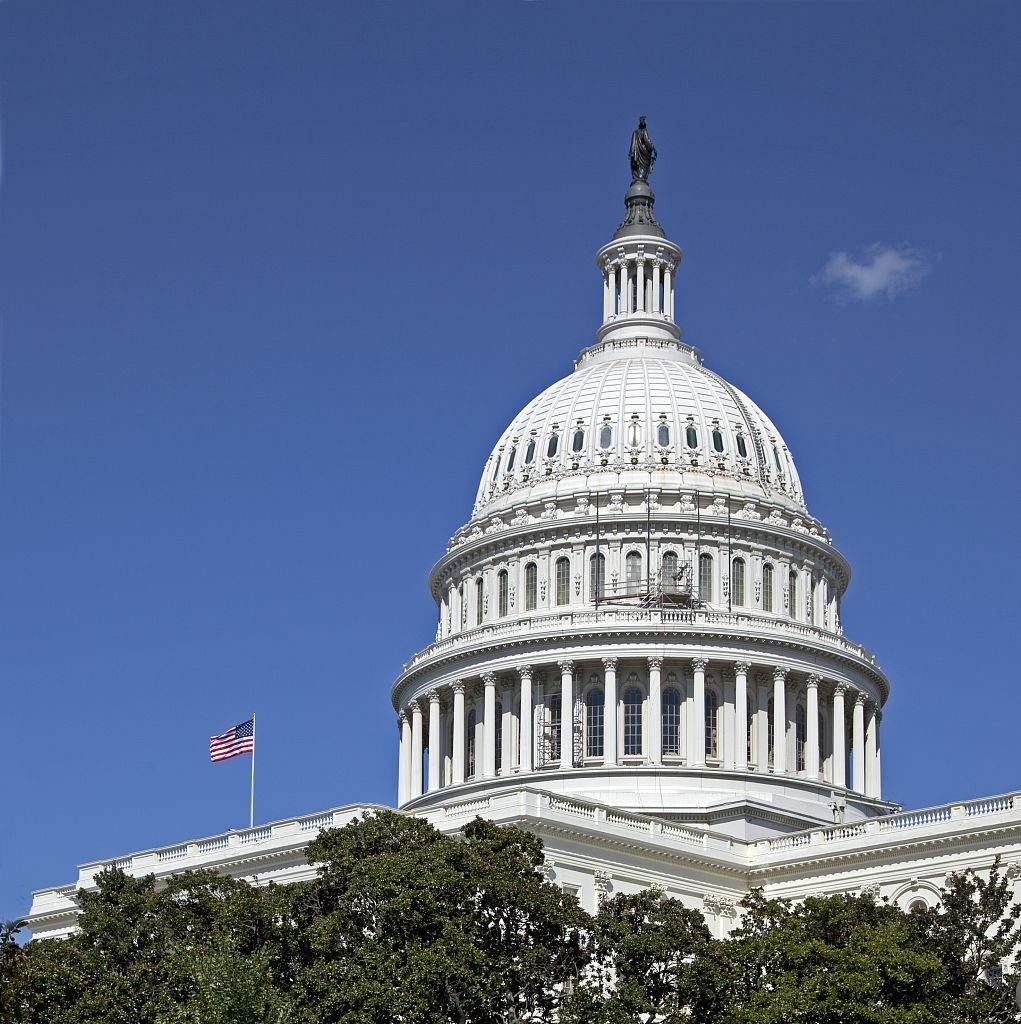
Illustrative image: U.S. Capitol. Carol M. Highsmith / Library of Congress, public domain.
Comments on Twelve Priorities, One Question: How Do We Know Reform Works?