
Food support is more than a delivery of groceries. It is a chance to care for neighbors while respecting their choices and dignity.
Food is a daily necessity, and the way a community responds when a household needs help sends a message. The details matter: whether support is easy to find, whether people are treated with respect, and whether it meets the needs they identify. Care should never require a person to accept judgment.
Food banks and community kitchens rely on staff, volunteers, donors, and local partners working together. People may sort supplies, prepare meals, translate information, or help with distribution. The work matters most when it is organized around the people seeking support rather than the convenience or recognition of those helping.
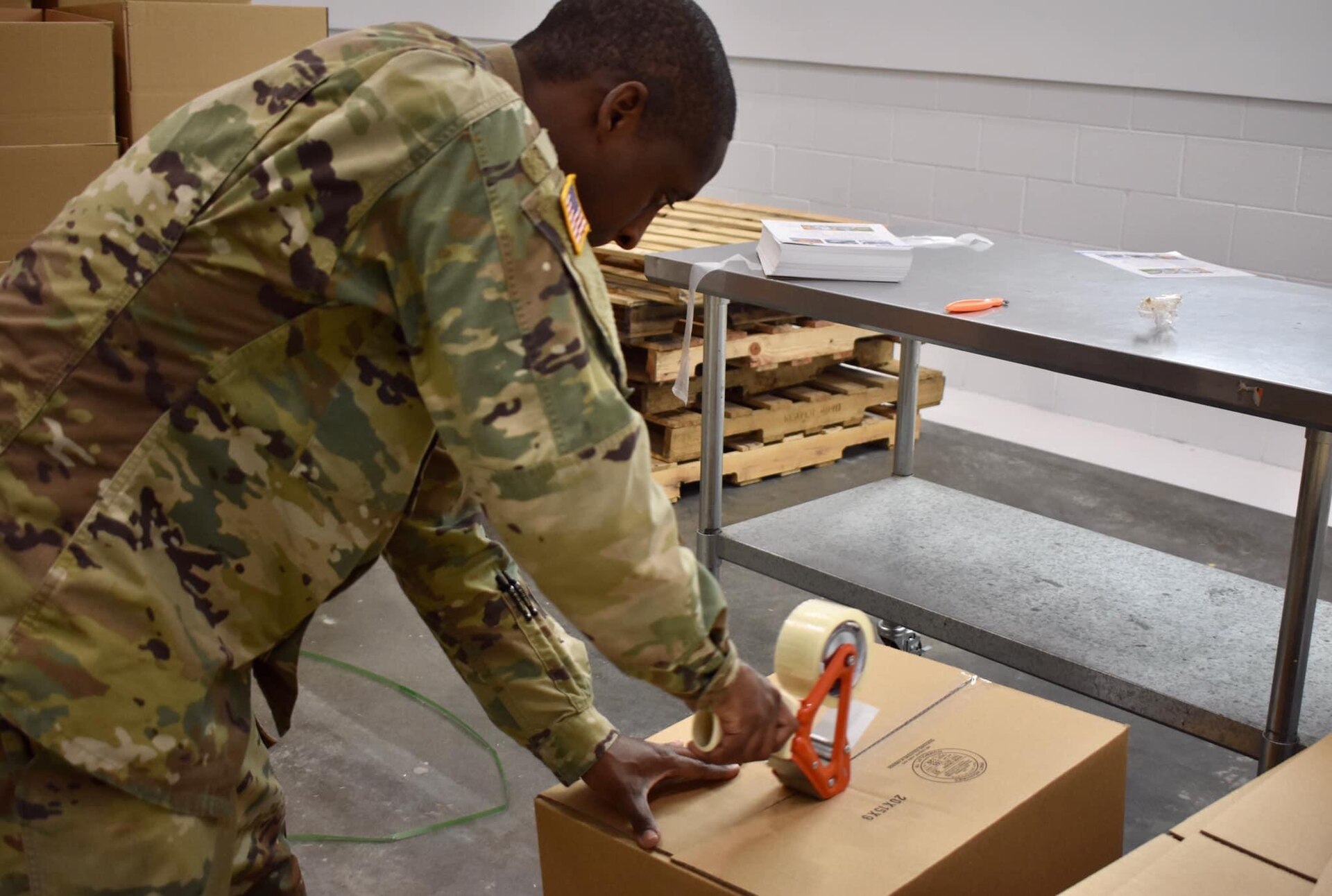
A 2020 Georgia National Guard account described service members supporting local food banks during the COVID-19 emergency. It offers an example of people and institutions responding together, not a formula for every community. Lasting food access also depends on reliable organizations, thoughtful policy, and resources that remain after an emergency leaves the headlines.
Good service protects privacy and choice, welcomes feedback, and makes participation straightforward. Neighbors should not have to disclose more than necessary to receive help, and not everyone can give the same amount of time. Volunteers strengthen essential services, but they cannot replace the professional work and public commitments needed to address hardship over time.
Begin by asking a local food organization what it needs and following its guidance. Give requested items, show up when promised, and invite people who use a program to help shape it. A shared table depends on more than one generous gesture; it depends on care people can count on.
Comments on A Shared Table Begins with Dignity