
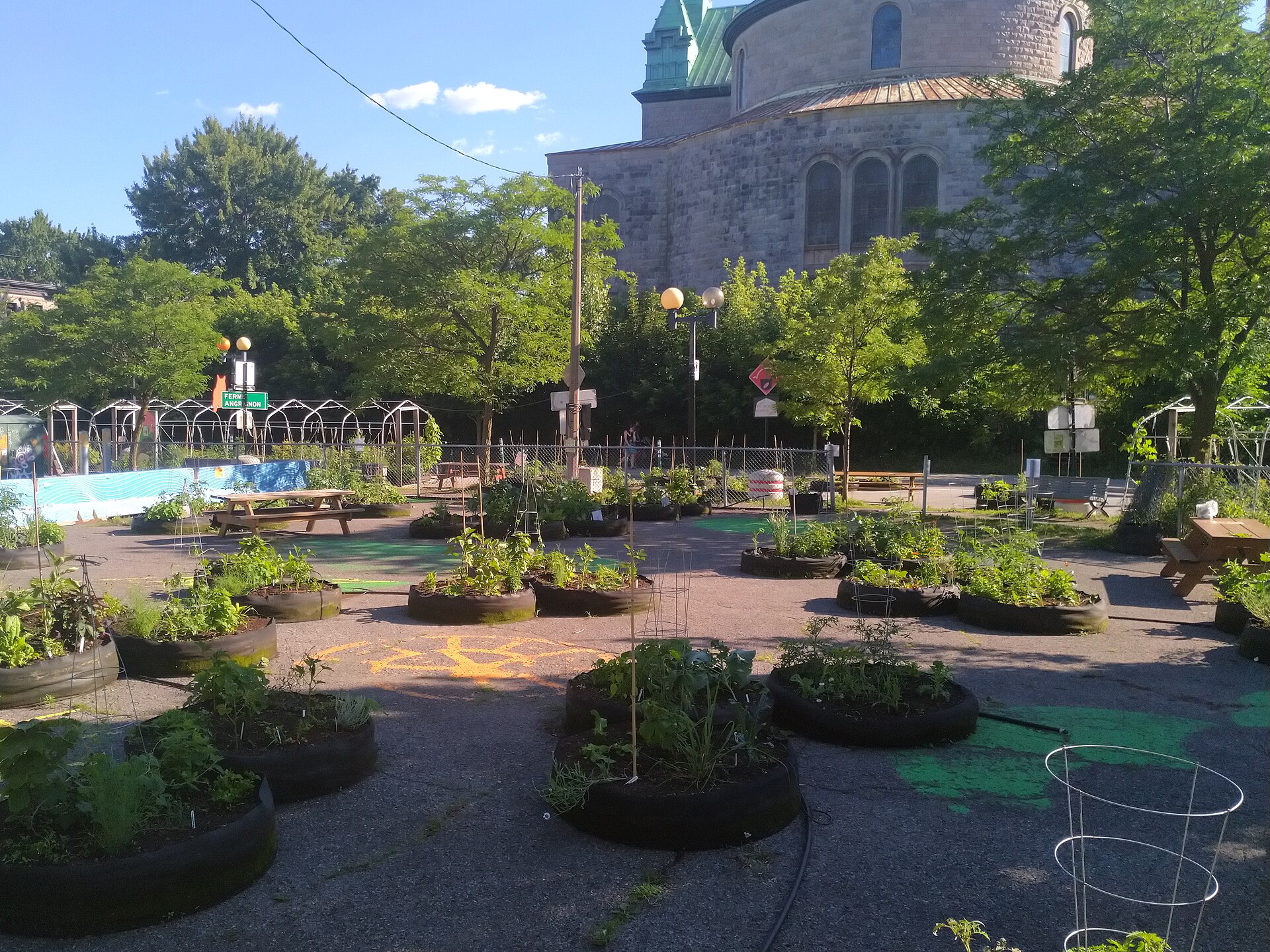
A shared patch of land can teach a surprising lesson about civic life: good ideas need more than enthusiasm. They need neighbors who listen, share responsibility, and keep showing up.
Picture an empty lot that neighbors hope to turn into a garden. One person wants to grow vegetables. Another sees a place for children to learn. Someone else worries about parking, water costs, or who will care for the space when the first burst of excitement fades.
It's a small picture of a much larger civic truth: people can care about the same community without starting with the same priorities. Turning an idea into something useful requires listening, planning, and a fair way to make decisions.
Begin with the people who will do the work
A garden is more than a photograph of neat rows and green plants. Someone needs to find out who owns the land, whether growing food is permitted, how water will be supplied, and what ongoing costs may arise. Organizers also have to decide who can participate and how responsibilities will be shared.
Cooperative Extension guidance on community gardens emphasizes practical questions such as site planning, clear rules, membership, and long-term upkeep. These are everyday forms of accountability. A project is more likely to last when people know who is responsible for each task and have a way to resolve disagreements.
Fairness is part of the design
Imagine that neighbors decide to hold volunteer workdays only on weekday mornings. That might work for some people, but not for parents with jobs or residents who rely on assistance to travel. A group that wants broad participation can ask about different schedules, accessible paths and tools, clear communication, and ways for someone to contribute even if they cannot do physical work.
These decisions have ethical consequences. A project can look welcoming from the outside while making it difficult for certain neighbors to take part. Listening early may prevent disappointment and help people design a better arrangement.
Small projects still need honest records
Let's say members collect donations for soil, tools, and raised beds. Keeping a simple record of what came in and what was purchased helps everyone understand the project. If a plan changes, the group should explain why. Volunteers deserve the same courtesy and transparency that citizens expect when public money is involved.
There will also be times when the best idea is to change course. Perhaps the site isn't suitable, or a nearby organization already offers a successful garden program. Working with others—or choosing a different project—can be more responsible than pursuing a plan simply because it's ours.
What this says about the Coalition's mission
Our mission includes constitutional responsibility, ethical leadership, individual dignity, and citizens taking an active role in their communities. Not every useful contribution begins in a legislature. Sometimes self-government is practiced when neighbors establish fair rules, make commitments they can keep, and give one another a genuine voice.
A community garden might begin as a JomSocial group conversation. Interested members could research local rules, arrange a meeting, form a project, and share actual milestones with the wider community. An example like this is hypothetical, not a claim that the Coalition already operates a garden.
Try something close to home
Look for an existing community project—a garden, food pantry, neighborhood cleanup, or volunteer program. Ask what it needs, who can participate, and how progress is measured. You don't have to start a new organization to contribute. Sometimes the most meaningful civic action is helping something good become more dependable.
For discussion: What small, practical project could bring people with different viewpoints together in your community?
Sources and further reading
- NC State Extension — How to Organize a Community Garden.
- South Dakota State University Extension — Starting a Community Garden.
- U.S. Department of Justice — State and Local Governments and the ADA (background on access when public entities are involved).
American Ledger editorial. The examples are hypothetical and intended to invite constructive participation, not to claim an existing Coalition project or adopted organizational policy.
Comments on A Community Garden Can Teach Us How to Govern Together