
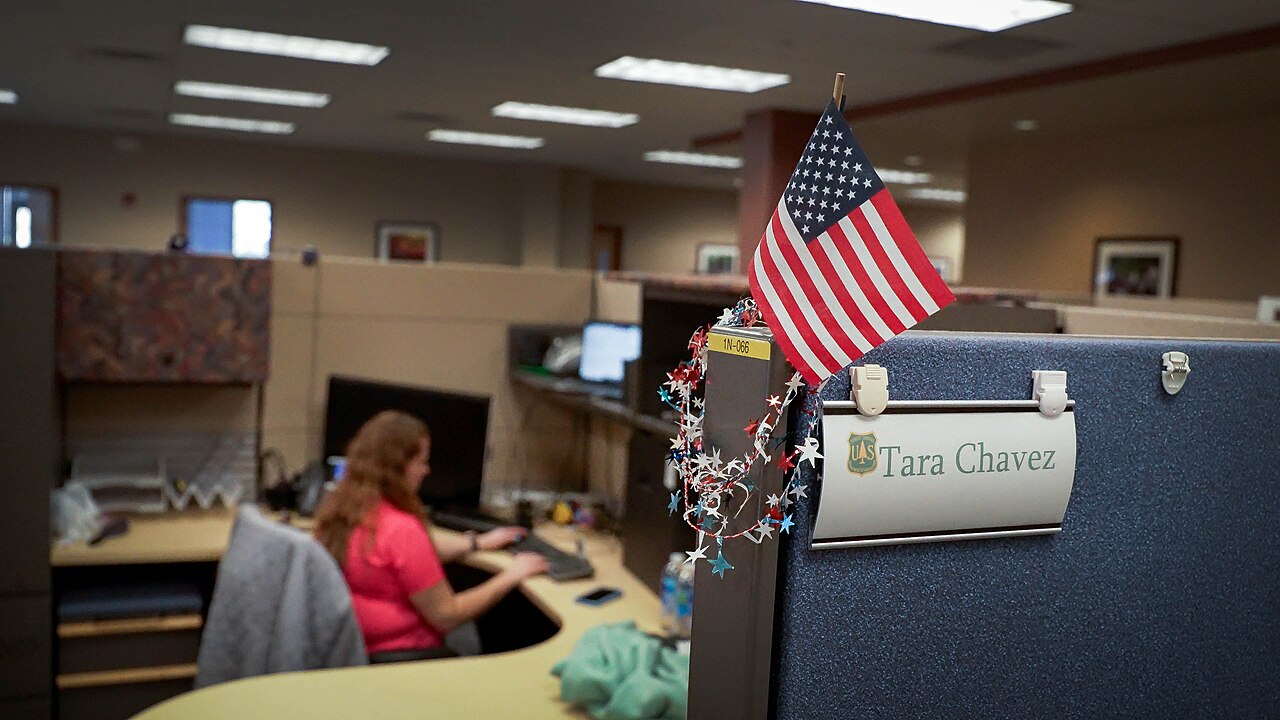
Hiring and retaining qualified people with disabilities can require accessible processes and reasonable accommodations—not lowered expectations or assumptions about ability.
Start with a fair opportunity to apply
Title I of the Americans with Disabilities Act prohibits disability discrimination by covered employers. It addresses recruitment, applications, hiring, training, pay, advancement, and other employment conditions. The law protects qualified individuals with disabilities and recognizes that disability does not determine whether someone can perform a job.
A fair hiring process focuses on essential job functions, consistent criteria, and accessible application and interview procedures. Employers should not assume that an applicant needs assistance merely because of a visible disability, or assume that a nonvisible disability is irrelevant. Specific legal limits govern when employers may ask disability-related questions or request medical information.
What reasonable accommodation means
Reasonable accommodation can be a change to the application process, job, or work environment that enables a qualified person to apply, perform essential functions, or enjoy comparable employment benefits. Examples can include accessible technology, an adjusted procedure, effective communication support, or modified work arrangements, depending on the job and individual situation.
The ADA does not eliminate essential job requirements, nor does it require a covered employer to provide an accommodation that would impose an undue hardship as defined by law. The details matter, and a practical conversation about barriers and alternatives is usually more useful than either automatic refusal or unsupported promises.
Connection to labor institutions
Unions, apprenticeship programs, employers, and public workforce systems can help remove unnecessary barriers and develop skills. Certain federal contractors have separate disability-related duties under Section 503 of the Rehabilitation Act. Those obligations are not interchangeable with every provision of Title I.
How to measure progress
- Are application systems, training materials, and interviews accessible?
- Can managers and applicants identify a workable accommodation process?
- Are retention, advancement, and training outcomes assessed without stereotyping employees?
Employment policy works best when it protects legal rights, preserves meaningful job standards, and draws on the expertise of disabled workers themselves. Employers and workers deserve predictable guidance, privacy safeguards, and efficient dispute resolution.
Primary sources and further reading
- EEOC — Job Applicants and the ADA
- EEOC — ADA Responsibilities of Employers
- Department of Labor — Employment Laws, Disability and Discrimination
Research note (November 2026): This article explains existing legal frameworks and presents questions for civic discussion. It is not legal advice or a claim that any proposed reform has been formally adopted by the Coalition. Check the linked primary sources for current rules and exceptions.
Image credits and sources
Archival and illustrative photography; not a Coalition-sponsored event.
Comments on Accessible Employment: Accommodations, Hiring, and Opportunity