
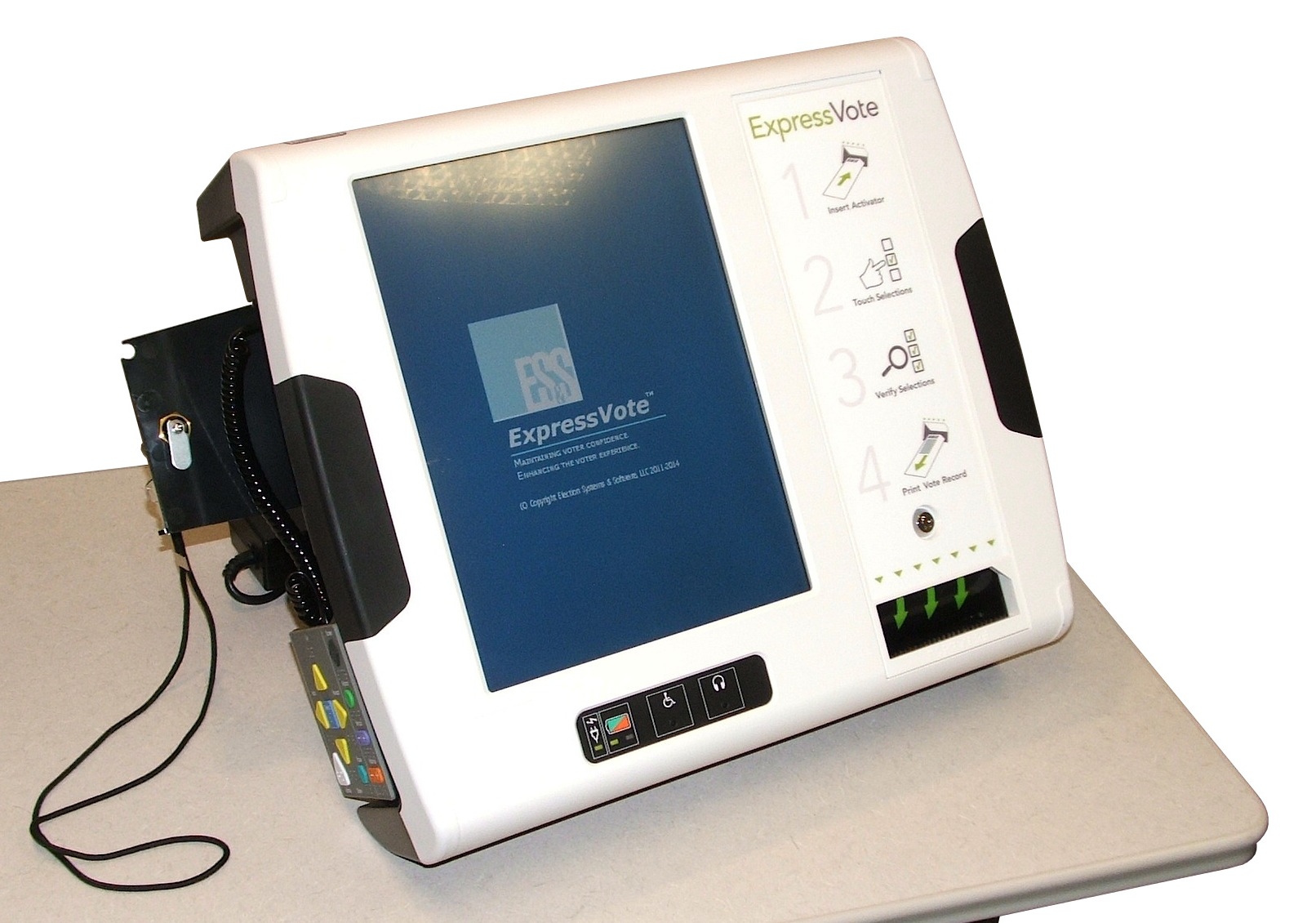
A democracy is not fully open when a voter cannot enter a polling place, hear a public meeting, use a government form, or navigate a public website.
Participation starts before Election Day
People with disabilities should be able to participate in public life on an equal basis. In the voting context, federal laws including the Americans with Disabilities Act and the Help America Vote Act establish important accessibility duties. Election officials must account for access to polling places, voting systems, communication, and the services voters need to participate. Requirements and methods can vary across election settings.
Accessible elections are not solely about ramps. Clear signs, usable routes, effective communication, accessible equipment, trained poll workers, and reliable information about available options can all matter. Officials should verify access in practice, not simply rely on a facility's appearance.
Government services increasingly begin online
State and local governments provide services through websites and mobile apps. A person may need to read a public notice, submit a benefit application, review a meeting agenda, or request an accommodation. If those systems cannot be used with a keyboard or assistive technology, public participation may be limited before an in-person service is even reached.
The Justice Department's Title II web-accessibility rule sets technical requirements for covered state and local government web content and mobile applications, subject to specified exceptions. In April 2026, DOJ extended the earlier large-government compliance date to April 26, 2027. The applicable requirements should always be checked against the current rule and guidance; a compliance deadline does not erase existing ADA obligations.
Accessible by design
For a civic website, useful practices include meaningful headings, keyboard navigation, legible contrast, descriptive link text, alt text for informative images, captions or transcripts when needed, and forms with clear labels and errors. A technical checklist is not enough on its own: people with different disabilities should be invited to test real tasks.
Questions for accountable public institutions
- Can a person independently complete essential civic tasks in person, by phone, and online?
- Are reasonable accommodations and accessible alternatives clearly explained?
- Do agencies test with users, publish accessible information, and maintain a way to report barriers?
Equal participation is practical constitutional citizenship. A credible reform agenda should combine lawful administration, verifiable accessibility improvements, and the direct perspectives of people who face the barriers.
Primary sources and further reading
- U.S. Department of Justice — Voting and Polling Places
- U.S. Department of Justice — Voting Rights of People with Disabilities
- U.S. Department of Justice — First Steps for Title II Web and Mobile App Accessibility
Research note (November 2026): This article explains existing legal frameworks and presents questions for civic discussion. It is not legal advice or a claim that any proposed reform has been formally adopted by the Coalition. Check the linked primary sources for current rules and exceptions.
Image credits and sources
Archival and illustrative photography; not a Coalition-sponsored event.
Comments on Voting, Public Services, and the Accessible Digital Public Square