
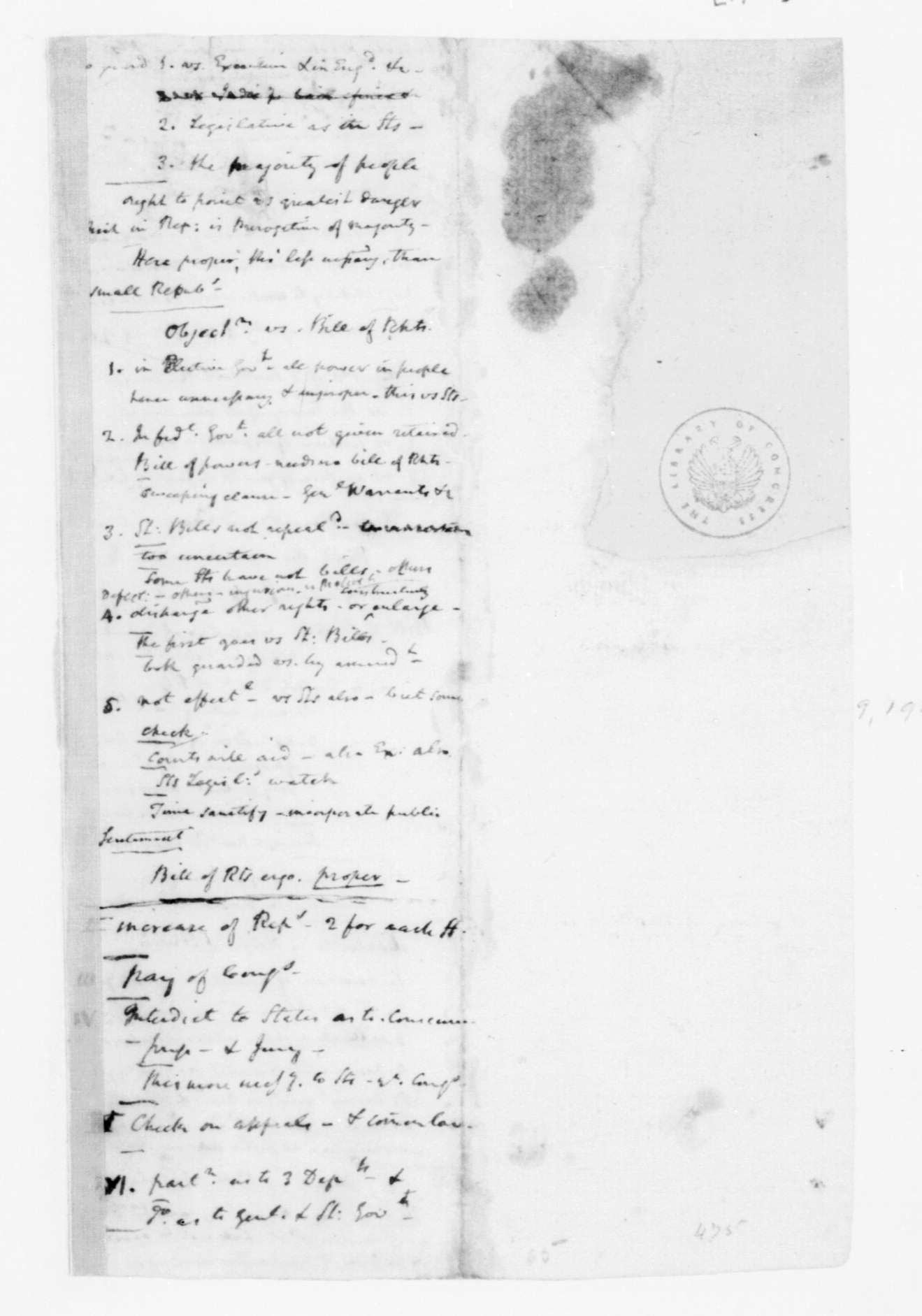
Identify core protections of the first ten amendments and distinguish rights from approval of a viewpoint.
Learning goal: Identify core protections of the first ten amendments and distinguish rights from approval of a viewpoint.
The first ten amendments form the Bill of Rights. The First Amendment addresses religion, speech, press, peaceful assembly, and petition. Other amendments protect aspects of criminal procedure, privacy against unreasonable searches, and other liberties.
A person may have the constitutional right to express an unpopular view without that view being factual, kind, or consistent with the Coalition’s own standards. Constitutional protection and institutional endorsement are different questions.
For students, freedom of thought includes the responsibility to examine evidence and the right to reach independent conclusions. We assess demonstrated understanding of documents, not religious or political conformity.
The difference between a right and an endorsement
The First Amendment protects five overlapping but distinct areas involving religion, expression, the press, peaceable assembly, and petition. It is a limitation on government action; its application to private organizations or platforms is not automatic. Specific legal exceptions and government-actor questions require careful analysis.
Read the original First Amendment rather than relying solely on a slogan. Identify a government action, the person affected, and the kind of constitutional issue alleged. For example, a dispute over a city permit is analytically different from a private discussion group setting conduct standards for participants.
The Bill of Rights contains protections beyond the First Amendment. The Fourth, Fifth, Sixth, Seventh, and Eighth Amendments address different aspects of searches, criminal process, and related legal protections. The Ninth and Tenth help frame reserved rights and powers; neither is a license to disregard lawful government authority.
People may believe something deeply for philosophical or spiritual reasons. The classroom can protect freedom of conscience while requiring students to describe the law accurately. An instructor may correct a mistaken constitutional claim without claiming the power to command a personal belief.
Connect with your experience (choose any example)
Use a student-expression example, a workplace-petition example, or a town-hall example. Each raises different questions about public actors, place, and the applicable rules; none is the required experience for a person of any particular age.
Analyze the primary source
Create a three-column table: 'right invoked,' 'government action alleged,' and 'facts needed.' Test three fictional scenarios. For each, identify one unknown before making a legal conclusion.
Learning contexts are optional: no age, biography, assessment score, or behavioral record is collected by this activity.
Think it through
How might you respectfully answer someone whose lawful opinion you strongly reject?
Practice
Read the First Amendment. Identify its five protected areas, then give a realistic civic example of each.
Primary sources and further reading
National Coalition draft educational material. Read the primary sources directly. This lesson is not legal advice; judicial doctrine and local rules can evolve. Personal disagreement is not graded as a failure of conscience.
Comments on The Bill of Rights and freedom of conscience