
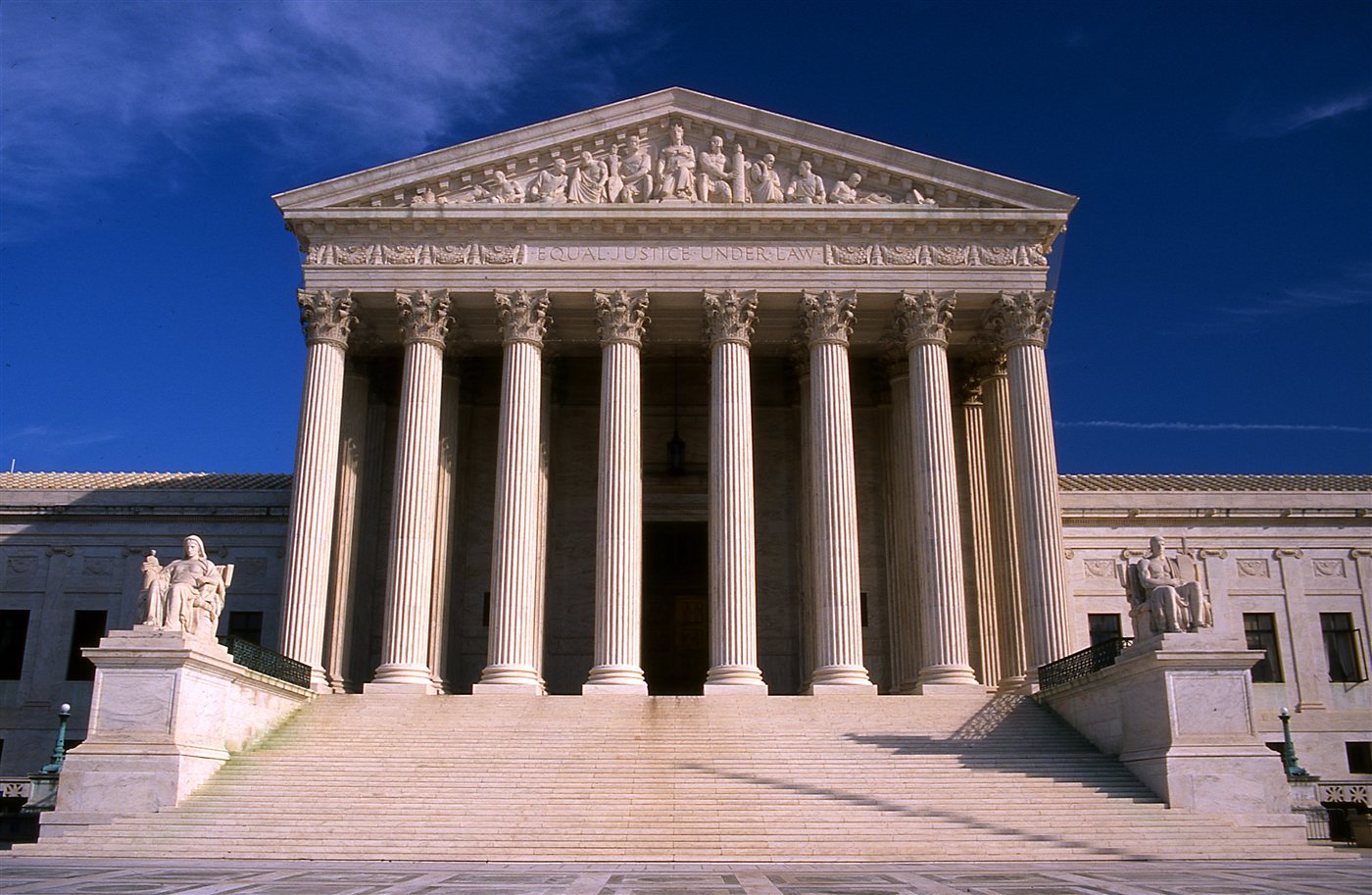
Describe judicial review and distinguish a holding from an opinion about policy.
Learning goal: Describe judicial review and distinguish a holding from an opinion about policy.
In Marbury v. Madison (1803), the Supreme Court established a landmark account of judicial review: courts may decline to apply laws that conflict with the Constitution. A judicial opinion explains both the case’s facts and the legal basis for its outcome.
Precedent—stare decisis—promotes continuity, but decisions are interpreted, distinguished, limited, and sometimes overturned. Good civic research asks whether a case remains controlling, which court decided it, and how later law treats it.
The Coalition should not cite a case as a universal slogan. Students should learn to identify a case’s facts, legal question, holding, reasoning, and limits before applying it to a new situation.
How to read a Supreme Court opinion
In Marbury v. Madison, the dispute involved William Marbury's commission as a justice of the peace. The Supreme Court concluded that Marbury had a legal entitlement to the commission, but determined that the Court could not issue the requested writ under the jurisdiction asserted because the statutory grant conflicted with constitutional limits.
The case is foundational for judicial review, but its holding is not a shortcut proving that every court can hear every grievance. Jurisdiction, standing, procedures, legal remedies, and the nature of the claim continue to matter. Legal education should distinguish the Court's reasoning from slogans about the power of judges.
A useful case brief contains five parts: facts; question presented; rule or holding; reasoning; and limits or later treatment. Students should read both the short case summary and selected passages of the actual opinion when feasible. Historic decisions require additional checks for later doctrinal changes.
When applying precedent, do not assume that a case about one factual situation controls an unrelated dispute. Compare the relevant facts, identify the precise legal issue, and use authoritative case-law tools to verify its current status. A case may remain influential even when particular language is no longer authoritative.
Connect with your experience (choose any example)
A teenager might analyze a student-rights case, a working adult a regulatory dispute, or a retired citizen a case about public benefits. The case-reading method is the same regardless of the student's life experience.
Analyze the primary source
Write a five-part Marbury brief using an official judicial source. Then write two sentences: one describing what the case decided, and one describing a question it did not decide.
Learning contexts are optional: no age, biography, assessment score, or behavioral record is collected by this activity.
Think it through
Why might two cases involving speech reach different results even if both invoke the First Amendment?
Practice
Create a case brief of Marbury: facts, issue, holding, reasoning, and one limitation of what it tells us.
Primary sources and further reading
National Coalition draft educational material. Read the primary sources directly. This lesson is not legal advice; judicial doctrine and local rules can evolve. Personal disagreement is not graded as a failure of conscience.
Comments on Marbury v. Madison and the discipline of precedent