
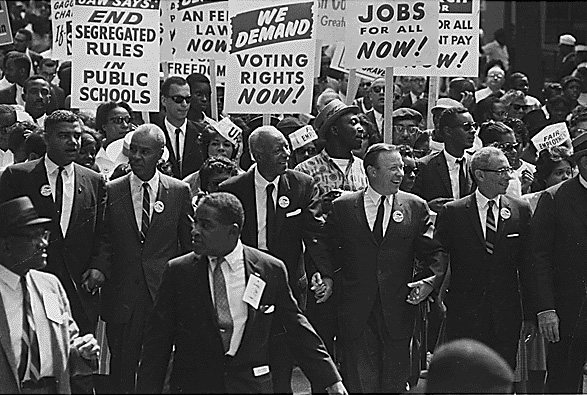
Practice firm advocacy without intimidation or dehumanization.
Learning goal: Practice firm advocacy without intimidation or dehumanization.
The National Coalition’s proposed operational standard is that civic engagement should reject violence, intimidation, hateful conduct, and prejudicial treatment. These are organizational commitments, not assertions that the Constitution bans all harsh or offensive opinions.
Respectful engagement does not require agreement. It asks participants to critique proposals and evidence without treating persons as less worthy of dignity. A participant can remain passionately opposed to an idea while refusing threats, scapegoating, and retaliation.
When tensions rise, responsible organizers can set discussion rules, clarify the goal, encourage de-escalation, and use appropriate venue safety practices. Participants should not be expected to surrender their rights or their conscience to belong.
Practicing constructive dissent under pressure
An institution's commitment to dignity is most visible when disagreement becomes difficult. Speakers should be able to criticize a policy sharply, demand accountability, or recount harmful experiences without being subjected to threats or personal targeting. A civil-discourse rule should not quietly suppress substantive dissent.
A helpful facilitator separates assertions from personal attacks: 'What happened?' 'What source supports that?' 'What would you propose instead?' 'Can you restate their position fairly?' These questions bring attention back to the civic issue without demanding a shared political identity.
De-escalation should prioritize immediate safety: stop threatening behavior, clarify expectations, and seek appropriate professional help if there is a credible risk of violence. Nobody should be required to remain in danger merely to demonstrate tolerance.
Reasonable people can disagree about policy, and disagreement can persist after careful evidence review. The objective is not an artificially cheerful meeting. It is an honest, lawful, accountable process in which criticism and independent conscience remain possible.
The Coalition should apply participant standards consistently, including to organizers. A fair correction mechanism might include written rules, notice of a moderation decision, and an appropriate avenue for review. Those details remain draft operational recommendations until adopted.
Connect with your experience (choose any example)
Consider a tense classroom exchange, neighborhood dispute, workplace-adjacent public forum, or retirees' community hearing. The same skills—fact-checking, fairness, safety, and mutual dignity—transfer across contexts.
Analyze the primary source
Rewrite a fictional heated statement into a firm, non-dehumanizing request for action. Then draft a facilitator's response that allows substantive criticism but stops personal harassment.
Learning contexts are optional: no age, biography, assessment score, or behavioral record is collected by this activity.
Think it through
What could you say when a speaker makes an unsupported claim about an entire community?
Practice
Rewrite a heated, accusatory public statement into a firm, evidence-seeking message. Preserve the substantive concern while removing demeaning language.
Primary sources and further reading
- Official U.S. Reports: NAACP v. Claiborne Hardware Co.
- Official U.S. Reports: Brandenburg v. Ohio
- Federal courts: Educational resources
National Coalition draft educational material. Read the primary sources directly. This lesson is not legal advice; judicial doctrine and local rules can evolve. Personal disagreement is not graded as a failure of conscience.
Comments on Nonviolence, anti-prejudice, and constructive disagreement