
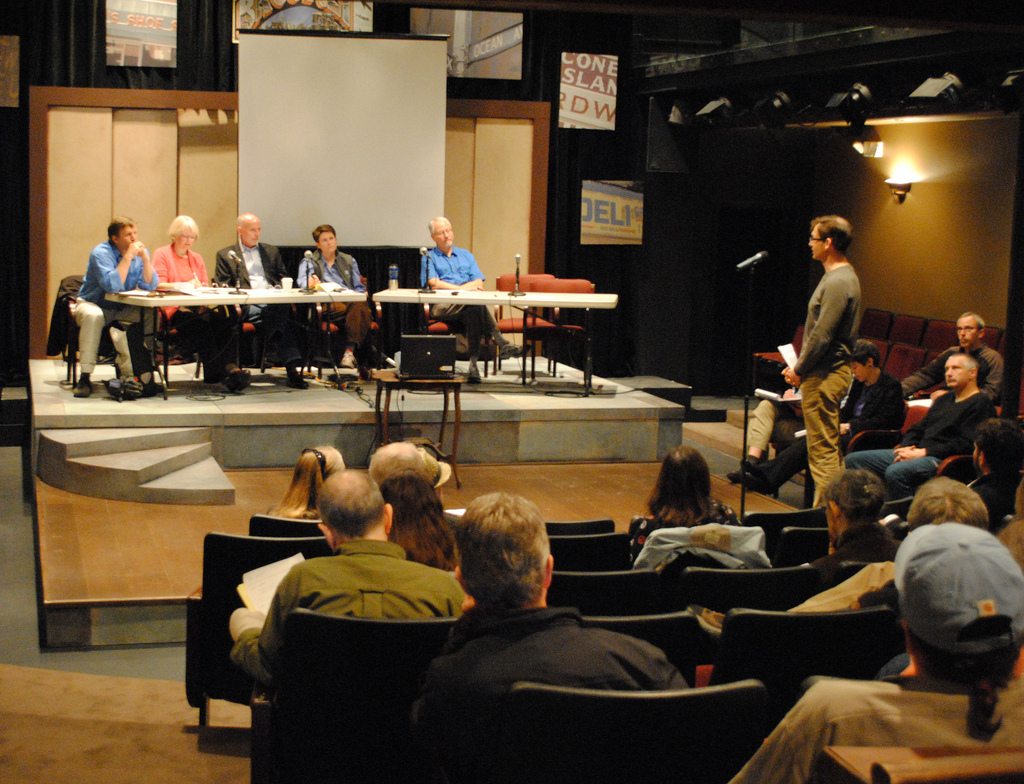
Design a feasible, lawful and nonviolent civic proposal with measurable outcomes.
Learning objective: Design a feasible, lawful and nonviolent civic proposal with measurable outcomes.
Explore the idea
A reform effort starts with a problem definition that a stranger could understand. Identify who is affected, what happens today, what could change, and which public institution has lawful authority over it. Avoid beginning with a predetermined villain; public problems can have competing causes.
Next find at least two kinds of evidence: a primary or official source (such as a budget, ordinance, meeting minutes, or government data) and a relevant independent analysis. Record what each source does and does not show. Interviewing affected people can provide valuable perspective, but an anecdote is not always representative.
Offer at least two options, including a reasonable alternative to your favored solution. Compare likely benefits, financial and administrative costs, unintended effects, and how different residents might experience the outcome. Avoid promises that exceed the available evidence.
Choose a lawful channel: public comment, a petition, contacting an appropriate official, a nonviolent gathering consistent with applicable rules, or participation in a lawful election process. Check current procedures with the responsible office rather than relying on an outdated online summary.
Finish with a measured request and a way to assess results. For example, if the issue is library accessibility, ask for a public review of entrance access and specify what improvement would be observable six months later. The proposal should invite correction and collaboration.
Reflect
How would you revise your preferred reform if trustworthy evidence showed it might harm an underserved group?
Try it yourself
Create a one-page civic reform brief: issue, decision-maker, two sources, two options, trade-offs, respectful action request, and one measurable success criterion. Include a sentence about what evidence would change your recommendation.
Read and verify
Educational draft under editorial review. This lesson discusses civic principles, not personal legal advice. Source materials remain with their publishers. No political, philosophical, or religious agreement is required.
Comments on Your First Evidence-Based Reform Proposal