
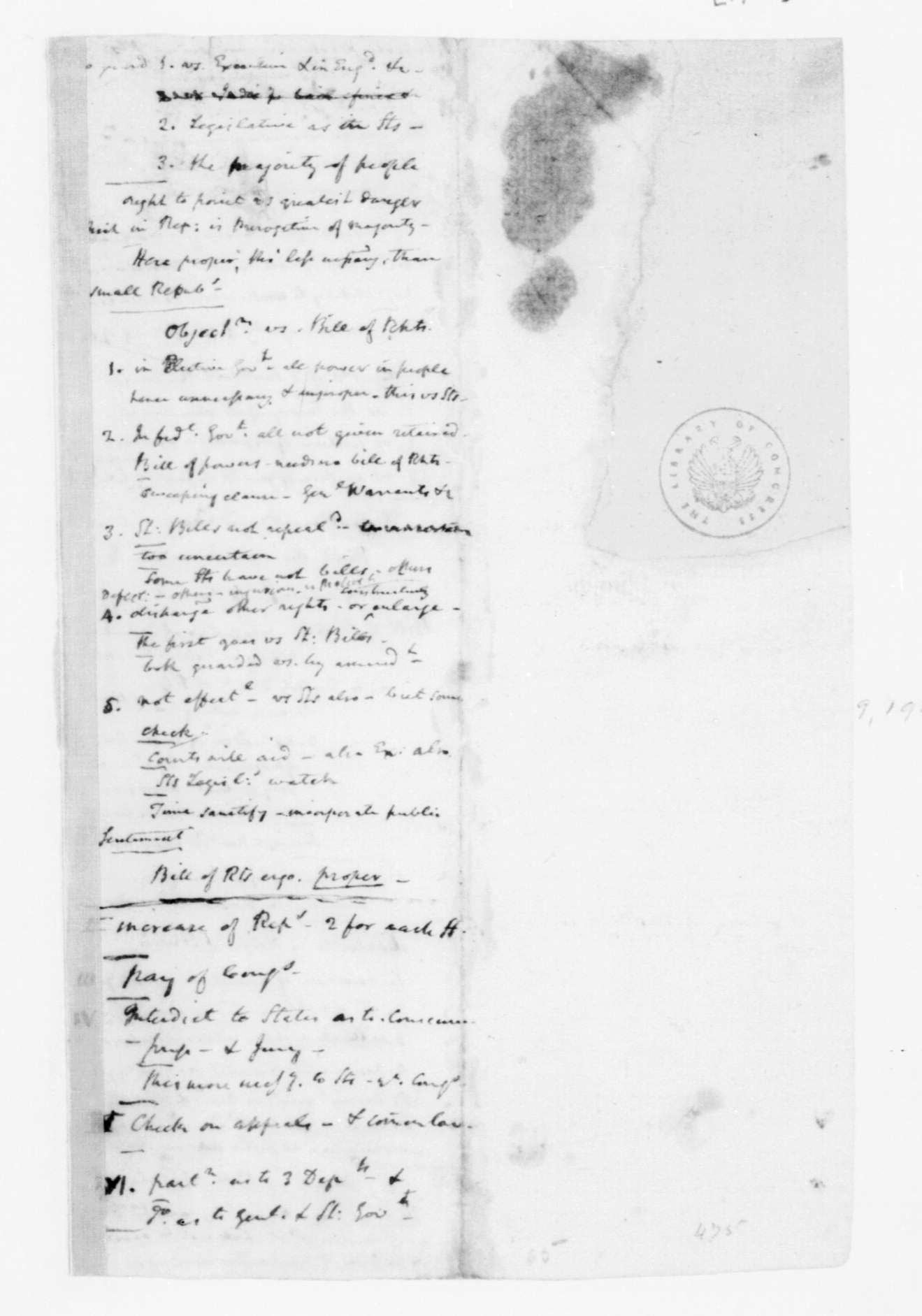
Trace quotations and statistics to their original context.
Before forwarding a striking claim
A screenshot, short video clip, or dramatic headline can omit essential context. A familiar logo or confident speaker is not a substitute for verification. The goal is not automatic distrust; it is proportional confidence based on evidence.
Use a source-tracing routine
- Look for the original publication, speech, dataset, or document.
- Confirm the date and whether newer information changes the picture.
- Read enough surrounding context to determine what was actually said.
- Compare independent, credible reporting or specialist analysis when appropriate.
- State what is still uncertain instead of inventing a definitive answer.
Pay special attention to graphs with missing axes, quotes without a date, images reused from unrelated events, and claims that rely entirely on an anonymous source. These are reasons to investigate—not automatic proof of deception.
Practice
Find a headline summarizing a report. Compare the headline with the original report's methodology and conclusion. Write two sentences explaining whether the headline fairly represents its source.
Reflection: What is the difference between finding one source that agrees with you and checking the claim independently?
Further reading and official resources
These references support further research. Check your own state and local government for rules and procedures specific to your community.
Comments on Check the Source Before Sharing