
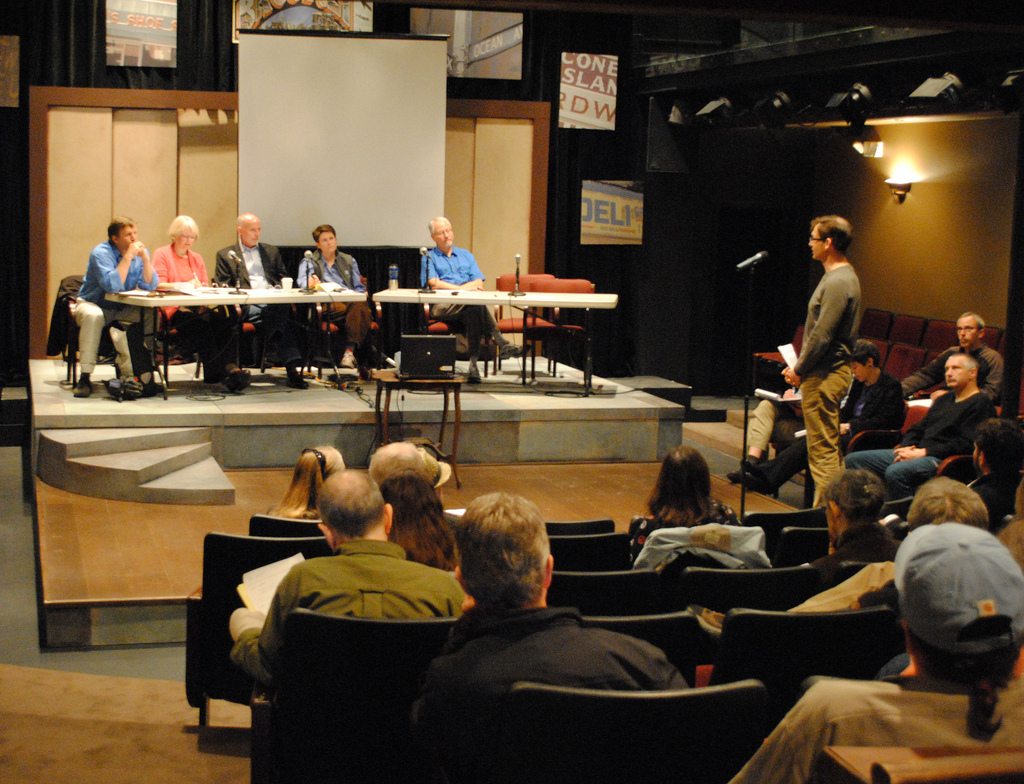
Build a reasoned argument while representing opposing views accurately.
Argument is not a contest of volume
Responsible civic debate allows strong disagreements while preserving the other person's dignity. The purpose is to test reasons, not to assign motives to people who reach different conclusions. Claims about public policy may involve both facts and competing values.
A constructive structure
- State your own position in one sentence.
- Give the strongest evidence you know supporting it.
- Describe a serious opposing concern as its supporters would recognize it.
- Identify what is known, unknown, and genuinely disputed.
- Propose a fair way to evaluate outcomes.
For example, two residents may agree that road safety matters while disagreeing about whether a speed limit, redesign, or enforcement change is best. A useful discussion asks about effectiveness, tradeoffs, cost, and possible unintended consequences.
Intellectual humility does not require abandoning convictions. It means remaining willing to correct factual errors, acknowledge uncertainty, and respect constitutional protections for people who disagree.
Assignment
Write a 250-word discussion of a local policy proposal. Present one argument for it, one serious argument against it, two questions that evidence could resolve, and one respectful recommendation. Avoid attributing bad motives without evidence.
Reflection: What is one fact that, if established, would cause you to change your position?
Further reading and official resources
These references support further research. Check your own state and local government for rules and procedures specific to your community.
Comments on Disagree Clearly and Fairly