
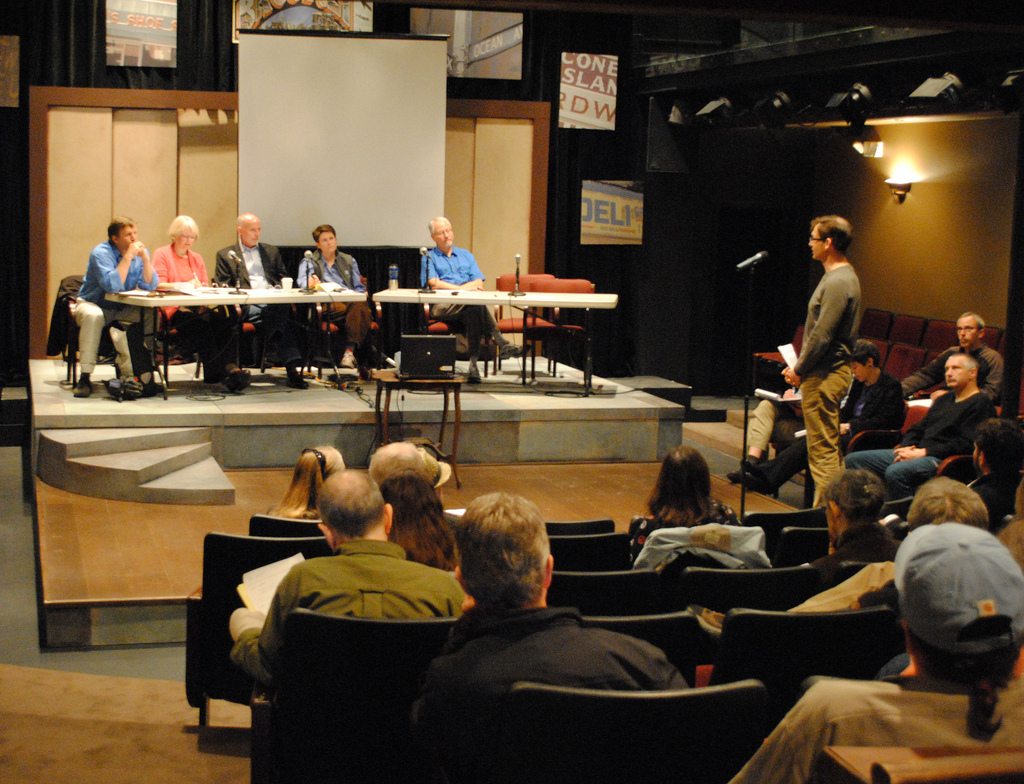
Follow agendas, minutes, hearings, and opportunities for public participation.
Understanding the public record
Many local decisions are discussed in meetings of councils, boards, and commissions. A typical meeting may have an agenda, supporting documents, opportunities for comment, votes, and minutes or recordings. Public-access and open-meeting rules differ among jurisdictions, so consult the relevant state and local requirements.
Reading an agenda
An agenda tells you what is scheduled, not necessarily what has been decided. Look for the meeting date, agenda item number, staff memorandum, proposed resolution, public hearing notice, and instructions for public comment. Minutes summarize proceedings but may not be a verbatim transcript. Always distinguish a proposal from a final vote.
Preparing a useful contribution
Before speaking, check the time limits and registration rules. Identify the exact agenda item, describe the impact on residents, cite one or two verifiable facts, and make a specific request. A respectful statement can still express firm opposition.
Illustrative statement: “I am asking the council to publish the traffic study and consider a pedestrian safety review before voting on this intersection design.”
Practice
Find a recent agenda on an official local website. Record one item that interests you. Identify whether it was informational, a proposed action, or a completed decision. Locate any publicly available supporting document and summarize what it actually says in three sentences.
Reflection: Why is it important not to treat a preliminary agenda as a final policy decision?
Further reading and official resources
These references support further research. Check your own state and local government for rules and procedures specific to your community.
Comments on How Public Meetings and Records Work