
‘Smoke’ Finale Reveals Shocking Twist in Apple TV+ Drama
SPOILER ALERT: This interview contains major spoilers from “Mirror, Mirror,” the finale of Apple TV+’s “Smoke.”
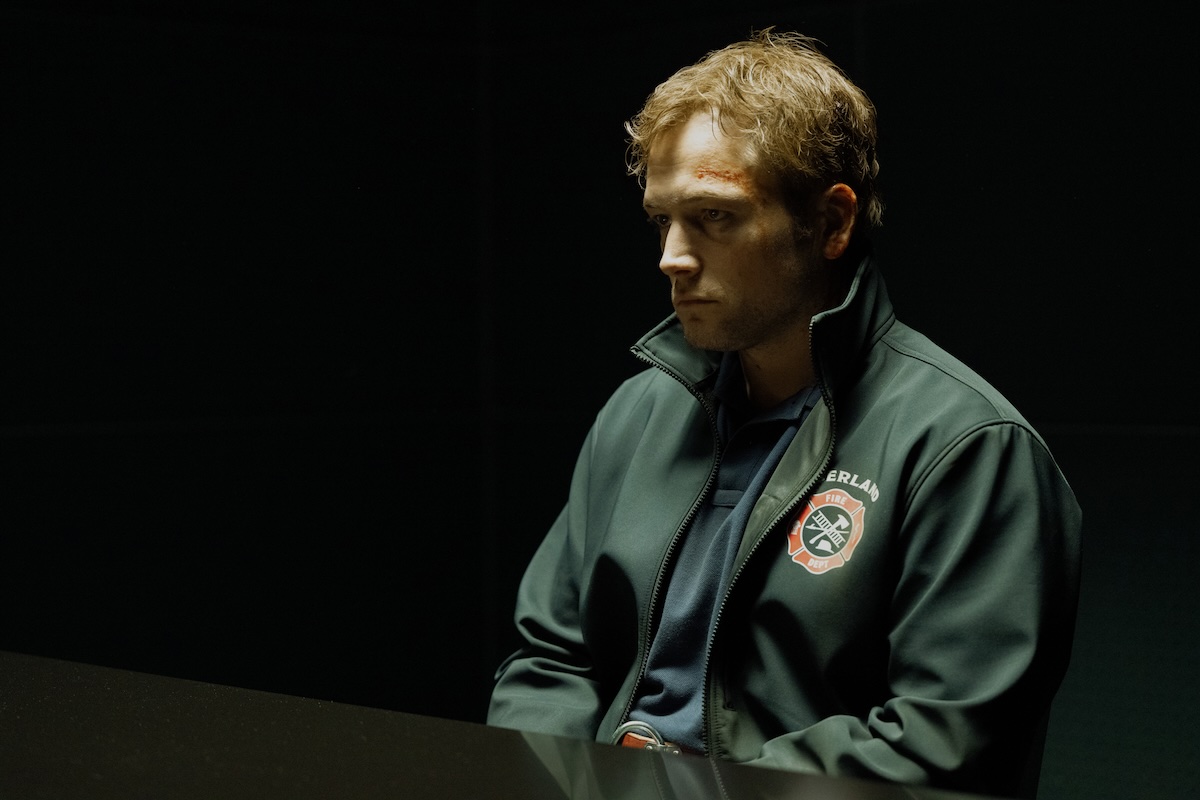
Dave Gudsen (Taron Egerton) was never the man he said he was. He may have been an arson investigator by day, but he was one of the two serial arsonists who would terrorize his Pacific Northwest town by night. He may have had aspirations of becoming a novelist, but he was practically laughed out of a publisher’s office for his bad writing. He may have seen himself as a loving husband and stepfather, but his “nice guy” persona belied his abusive nature.
In the final minutes of the series, viewers learn that the man they’ve watched for nine episodes doesn’t actually look like Egerton. Sitting opposite his former partner, Det. Michelle Calderone (Jurnee Smollett), Gudsen’s mask drops in the interrogation room, revealing a man who looks markedly older and heavier staring back at himself in the mirror.
This unsettling twist was a key element Dennis Lehane fought to include, inspired by real-life serial arsonist John Leonard Orr.
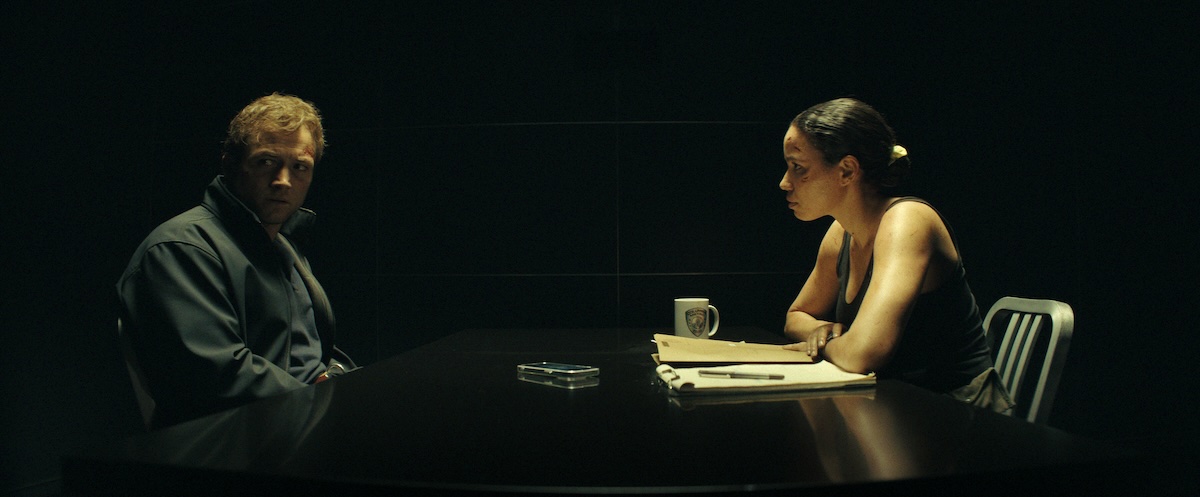
Lehane explains that the reveal about Gudsen’s true appearance symbolizes a projection of his true self — an extension of performative masculinity gone wrong: “He’s projecting who he is.”
Lehane discusses his inspiration rooted in toxic masculinity and societal masks, drawing from personal experiences growing up in a hyper-masculine environment and observing its destructive outcomes. He emphasizes that the story reflects ongoing social issues, especially under current political tensions, and believes the show’s bold approach can help spark conversations.
He also highlights the complex relationship between Michelle and Dave. Both characters share self-destructive tendencies, and their evolution reflects their internal damage and denial. Lehane notes that they intended their contrasting arcs to explore themes of trauma, identity, and morality against the backdrop of extreme times.
Juxtaposing Dave and Freddy, a Black arsonist inspired by Thomas Sweatt, Lehane intentionally addressed racial disparities, portraying Freddy’s disadvantaged circumstances as contrasting sharply with Dave’s white, privileged background. Lehane notes the brutal scene where Dave exerts white power over Freddy, underscoring the dark realities of racial injustice.
Regarding the finale, Lehane reveals that they intentionally crafted the climactic confrontation to avoid lethal violence, instead focusing on psychological and emotional battles in the interrogation room. The provocative scene with Michelle threatening Dave with a gun was carefully edited to maintain impact while avoiding explicit brutality.
Lehane envisions Dave’s post-series future as a hero to the right-wing media, claiming he was framed. Michelle’s future remains uncertain, hinting at continued danger and unresolved tension.
Though billed as a limited series, Lehane suggests there are plans if the story were to continue, but he remains cautious, acknowledging that the show’s tone and themes are risky in the current climate. He is considering future projects, including a potential adaptation of “Small Mercies,” but nothing concrete is ready to announce.
What’s next for Lehane and Egerton?
Lehane indicates they plan to take a break before collaborating again, with Egerton exploring new projects. Lehane’s focus remains on TV work, appreciating the collaborative process that contrasts with writing novels alone. Despite the uncertainty, he’s open to future opportunities.
In closing, Lehane reflects on the profound impact of “Smoke” and the themes of performance, identity, and societal masks that continue to resonate today, leaving the possibility open for more stories to be told.