Chip Somodevilla/Getty
NEED TO KNOW
- Due to the government shutdown on Oct. 1, public health agencies will be reducing or halting some operations
- The safety and availability of food and medications will be at risk, as well as communication about public health hazards.
- The U.S. Food and Drug Administration said they will be ”unable to ensure that the meat, milk, and eggs of livestock are safe for people to eat", while government assistance programs may run out of funding
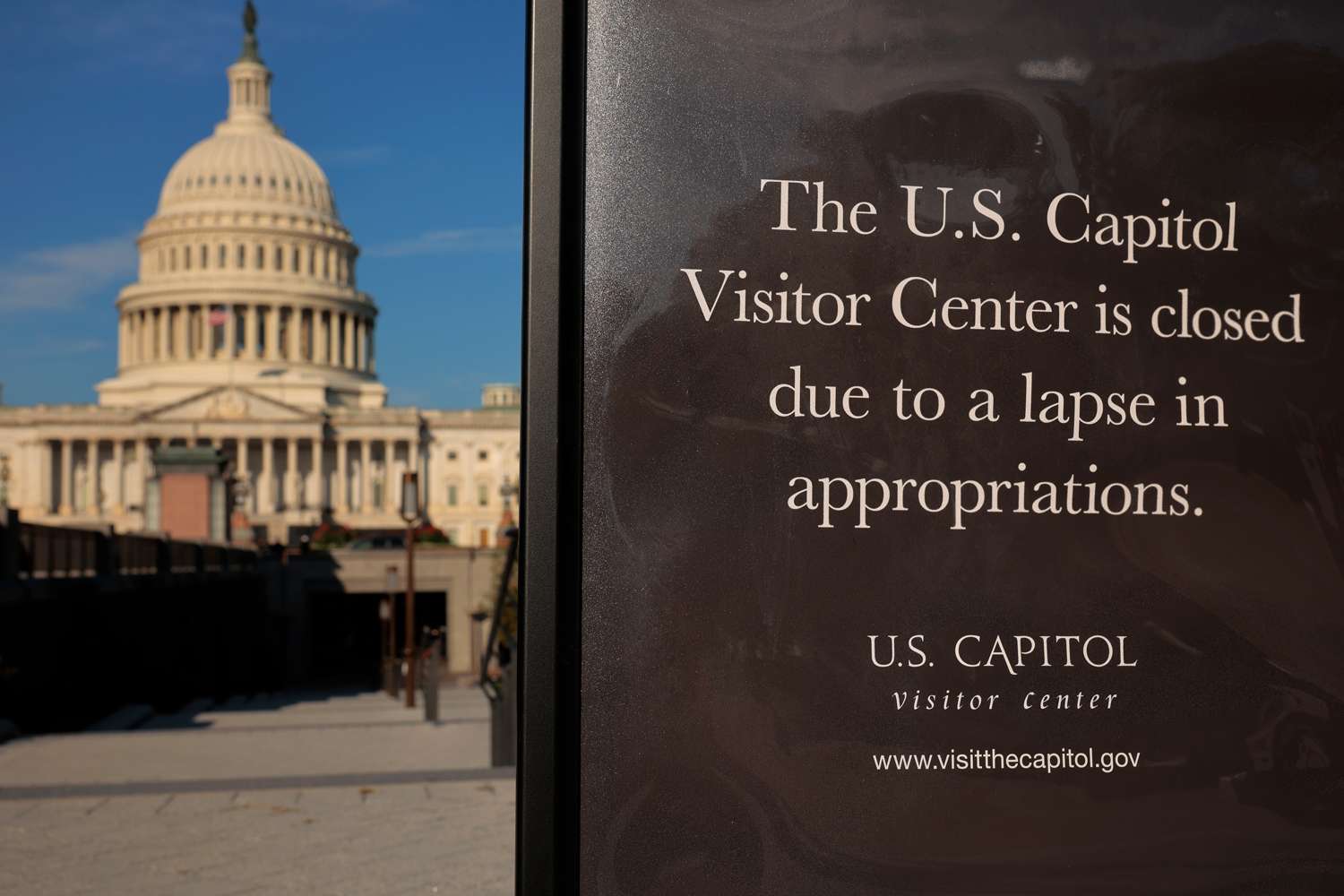
The U.S. government shutdown on Oct. 1 will reduce or even halt many health services that Americans rely on. Here’s what to expect:
Food Safety May Be Compromised
The U.S. Food and Drug Administration will “address imminent threats to the safety of human life and activities” during this period, but the Animal Drugs and Foods Program “would end pre-market safety reviews” of new ingredients for livestock feed, "thus be unable to ensure that the meat, milk, and eggs of livestock are safe for people to eat,” the agency said.
Routine inspections of food and medication facilities would also be halted, The New York Times reports.
Other programs would stop, “jeopardizing public health,” the FDA said, specifying "longer-term food safety initiatives, including policy work to help prevent foodborne illnesses and diet-related diseases.”
:max_bytes(150000):strip_icc():focal(749x0:751x2)/unbranded-eggs-100125-06acc8b5df9c4290b016923d6249e8e4.jpg)
Getty
‘Safety Net’ Programs Could Run Out of Funding
The Supplemental Nutrition Program for Women, Infants, and Children (WIC), which provides free, healthy food to families with children younger than 5, as well as breastfeeding support, may run out of funding.
"The timing of this shutdown threat at the start of the fiscal year puts WIC at risk of rapidly running out of funds," Georgia Machell, president and CEO of the National WIC Association, said, per NPR. A prolonged federal government shutdown of more than one week puts WIC families at risk,"
If the shutdown continues for an extended period, the Supplemental Nutrition Assistance Program (SNAP), also known as food stamps, risks running out of funding.
National Parks Could Become Health Hazards
The National Park Service said that, while the parks will remain open, staff at some parks will not "collect trash, operate or provide restrooms, maintain roads and walkways (including plowing and ice melting)."
As the shutdown goes on, those areas that are not tended to may become "a safety, health or resource protection issue (weather, road conditions, resource damage, garbage build-up to the extent that it endangers human health or wildlife, etc.)," which would force them to close.
Certain Medications May Not Be Available
The FDA said the government shutdown could “delay the availability of these critical medical products” — specifically, new drug applications and generic drug applications. And according to the New York Times, regular review of medications, like compounded obesity drugs, will cease.
:max_bytes(150000):strip_icc():focal(749x0:751x2)/hand-with-pills-100125-ebbae23f676048479b68bb371b784237.jpg)
Getty
Public Health Communication Will be Halted
The U.S. Centers for Disease Control announced that, while they may still respond to “urgent disease outbreaks” in the event of the government shutdown, they will “not be able to provide communication to the American public about important health-related information.”
Never miss a story — sign up for PEOPLE's free daily newsletter to stay up-to-date on the best of what PEOPLE has to offer, from celebrity news to compelling human interest stories.