

Three weeks after the United States and Israel launched strikes on Iran, President Donald Trump is facing mounting political pressure at home and a sharp rift with key allies abroad. Critics and some administration officials now describe the situation as NATO’s apparent betrayal.
The conflict, which began with U.S. and Israeli airstrikes on February 28, has quickly escalated. American and Israeli forces have targeted Iranian energy sites, including a recent strike on the South Pars gas field. Iran has responded with missile attacks on Israel, Gulf neighbors, and energy infrastructure. The result has been a near-shutdown of the Strait of Hormuz--the narrow waterway through which one-fifth of the world’s traded oil passes. Oil prices have spiked, financial markets have dropped, and U.S. casualties have risen. These developments have left Trump struggling to explain both why the war started and how it will end.
Background: Mounting Domestic Challenges
Two weeks into the war, the original reporting already showed Trump on the defensive. He has grown visibly frustrated with news coverage, repeatedly accusing the media of wanting America to lose. At a Kentucky rally, he declared victory “in the first hour,” yet the fighting continues. American deaths have increased, gasoline prices have climbed sharply, and the stock market has weakened. Even some of his own supporters have begun to question the decision to launch another conflict, especially after Trump campaigned on ending endless wars.
The president has spent much of his time at his Mar-a-Lago estate and South Florida golf clubs. He has also held closed-door fundraisers. Meanwhile, Democrats--still recovering from their 2024 election loss--have united against the policy. They point to rising energy costs as evidence that Republicans failed to deliver on promises to lower everyday expenses. With midterm elections approaching in November, Democratic strategists like Brad Bannon and Kelly Dietrich predict significant gains for their party.
Trump’s Appeal for International Help--and NATO’s Rejection
Early in the conflict, Trump promised that U.S. Navy ships would escort oil tankers through the Strait of Hormuz. That full escort operation has not yet begun. On Saturday, he shifted strategy in a series of Truth Social posts. He called for a “team effort,” urging other nations--especially those hurt by the disruption--to send warships alongside American forces. He specifically mentioned France, the United Kingdom, Japan, South Korea, and even China.
The response from NATO allies has been a clear refusal. France has formally declined to commit ships or join operations in the Gulf. Other European members have signaled they will not participate in what they see as a U.S.-Israeli war of choice. Canada has ruled out any offensive role. European officials cite three main reasons: political opposition at home, fear that the conflict could widen, and a desire to focus resources elsewhere--particularly on supporting Ukraine.
Trump reacted strongly on Tuesday. He posted that the United States “no longer ‘need,’ or desire, the Nato Countries’ assistance--WE NEVER DID!” and warned that the alliance faces “a very bad future” if it continues to withhold support. From the White House viewpoint, this refusal amounts to a betrayal of shared alliance responsibilities at a critical moment. The irony is not lost on observers: Trump had kept NATO partners in the dark about the initial strike plans, yet later asked for their naval help.
Allies offer a different explanation. They argue that joining the mission would risk escalation and strain domestic support. The result is clear: the U.S. Navy now shoulders most of the burden alone, while global energy markets remain unstable.
Economic and Geopolitical Fallout
The NATO standoff has worsened the war’s other effects. The U.S. Treasury recently issued a 30-day waiver on certain Russian oil sanctions to ease supply shortages. Ukrainian President Volodymyr Zelenskyy called the move “not the right decision,” warning that it strengthens Russia’s position in Ukraine. Higher oil prices are indeed boosting Russian revenue, helping fund its ongoing war.
At home, Energy Secretary Chris Wright acknowledged on NBC’s “Meet the Press” that Americans “are feeling” the higher prices and will continue to do so “for a few more weeks.” Senator Rand Paul (R-Ky.) warned that sustained high gas prices could lead to a “disastrous election” for Republicans in the midterms.
The conflict has also split Trump’s “Make America Great Again” base. Prominent voices such as Tucker Carlson and Megyn Kelly have criticized the war, saying it contradicts Trump’s campaign pledge to avoid new conflicts. Trump maintains that the MAGA movement will follow his lead on any issue.
Broader Angles, Nuances, and Long-Term Implications
Several layers of meaning emerge when examining the crisis from different perspectives.
From a national-security viewpoint, the NATO refusal raises serious questions about future alliances. If European partners will not help secure a vital global shipping lane, will they support the United States in other crises--for example, in the Indo-Pacific or against renewed Russian threats? Trump’s “go-it-alone” stance may appeal to voters who favor less foreign involvement, but it also risks accelerating the very alliance weakening he has criticized for years.
Economically, a prolonged closure of the Strait of Hormuz threatens inflation, supply-chain breakdowns, and possible recession. Even non-NATO countries such as Japan and South Korea--heavy users of Gulf oil--have responded cautiously, without committing forces. China has emphasized “common interests” in keeping the strait open but has offered no ships.
On Iran policy itself, the situation undercuts Trump’s early claim of swift victory. Three weeks later, Iran’s leadership remains in place, retaliatory strikes continue, and the regime shows resilience. Possible next steps--such as Iranian mining of sea lanes, wider naval clashes, or spillover fighting in Lebanon or Iraq--could pull the United States deeper into the conflict without allied support.
Democrats are using the moment to highlight what they call reckless Republican governance. Their midterm message focuses on the direct link between Trump’s Iran decisions and higher prices at the pump. Republicans counter that Democratic policies before the war emboldened Iran.
Looking ahead, the episode could reshape the transatlantic relationship. Trump has already floated ideas such as “tiered” NATO membership or even withdrawal threats if allies fail this test. European leaders must now weigh keeping Washington happy (to protect Ukraine aid) against satisfying voters wary of Middle East wars. The old 2% defense-spending debate now seems secondary to the larger issue of operational solidarity.
In summary, what began as domestic political trouble over casualties, prices, and media coverage has grown into a larger crisis of alliance trust and strategic credibility. The apparent NATO betrayal--framed by the president as a refusal to share the burden--has isolated the United States further and intensified every existing criticism. Whether this leads to quicker U.S. withdrawal, unilateral escalation, or a lasting overhaul of NATO remains the central unanswered question as the war enters its fourth week.


VATICAN CITY — In the days after President Donald Trump unleashed a military attack on Iran, the Catholic Church was quickly on a war—footing — against the war.America’s rationale for preemptive strikes, Cardinal Pietro Parolin, the Vatican’s secretary of state warned, risked setting ??...

Electronic age verification systems—demanding government IDs, facial scans, or biometrics—spread via U.S. state laws and global mandates to block minors from adult content and social media. Proponents cite child protection, yet the core risk is forced identity linkage that destroys online anonymity, enabling mass surveillance and chilling free expression for abuse survivors, journalists, and LGBTQ+ individuals who rely on pseudonymity for safety.

Here’s how much things have changed since Donald Trump last addressed Congress: A year ago, he shouted out a beaming Elon Musk, who was watching in the gallery. At the time, Trump was triumphant. But tomorrow night, when he returns to the Capitol to deliver the State of the Union address, he wi...

DUBAI, United Arab Emirates — Iran held annual military drills with Russia on Thursday as a second American aircraft carrier drew closer to the Middle East, with both the United States and Iran signaling they are prepared for war if talks on Tehran’s nuclear program fizzle out.President Donal...

DHS demands tech giants UNMASK anonymous critics of ICE02/20/2026 // Kevin Hughes // ViewsTags: ACLU, administrative loopholes, administrative subpoenas, anonymous critics, Big Tech, civil liberties, civil rights, Department of Homeland Security, DHS, Digital Services Act, Discord, dissent, Firs...
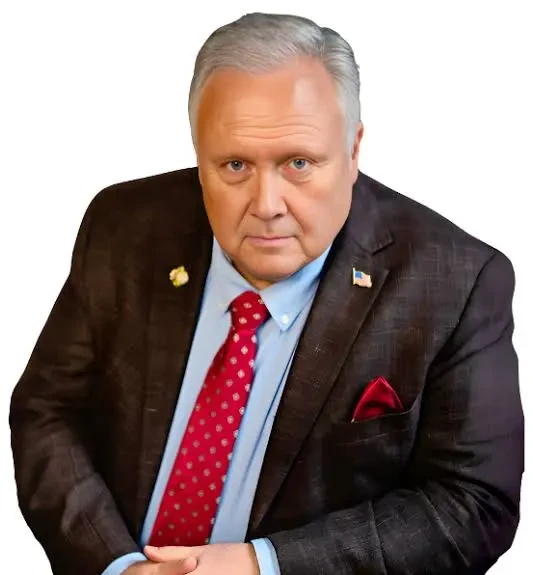
In Doug Billings' latest episode of "The Right Side," (video below) Doug offers a penetrating meditation on the moral and structural foundations of the American republic—its fragility when persuasion yields to pressure, and its resilience when anchored in virtue and law. From neighborhoods up! Not the Whitehouse Down!
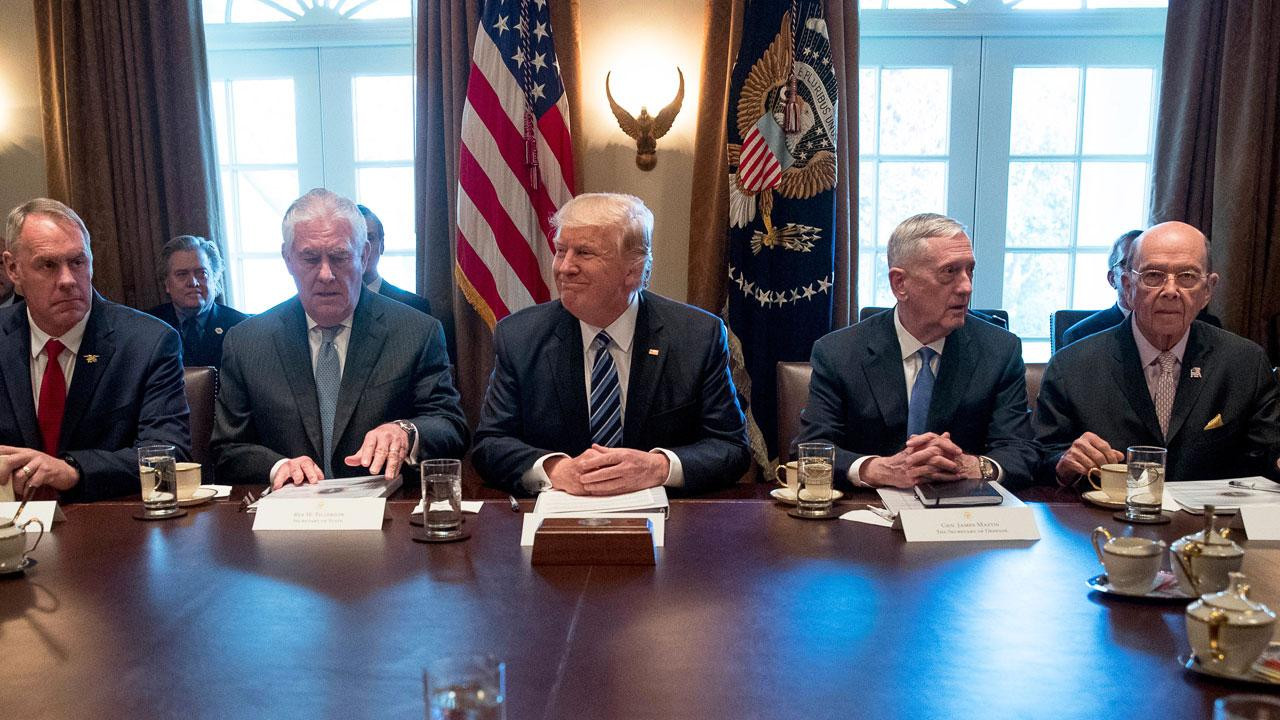
In 2026, polls show mixed sentiments among average American workers and voters toward President Trump's agenda, with dissatisfaction on economics, tariffs, and immigration, but positives on national security and education reforms. Regional variations persist, with higher approval in Southern and Western red states. Approval ratings at 40%, yet 42% deem 2025 successful for stability and policy delivery. Less than a third think country better off, but 35% note improvements in job security.
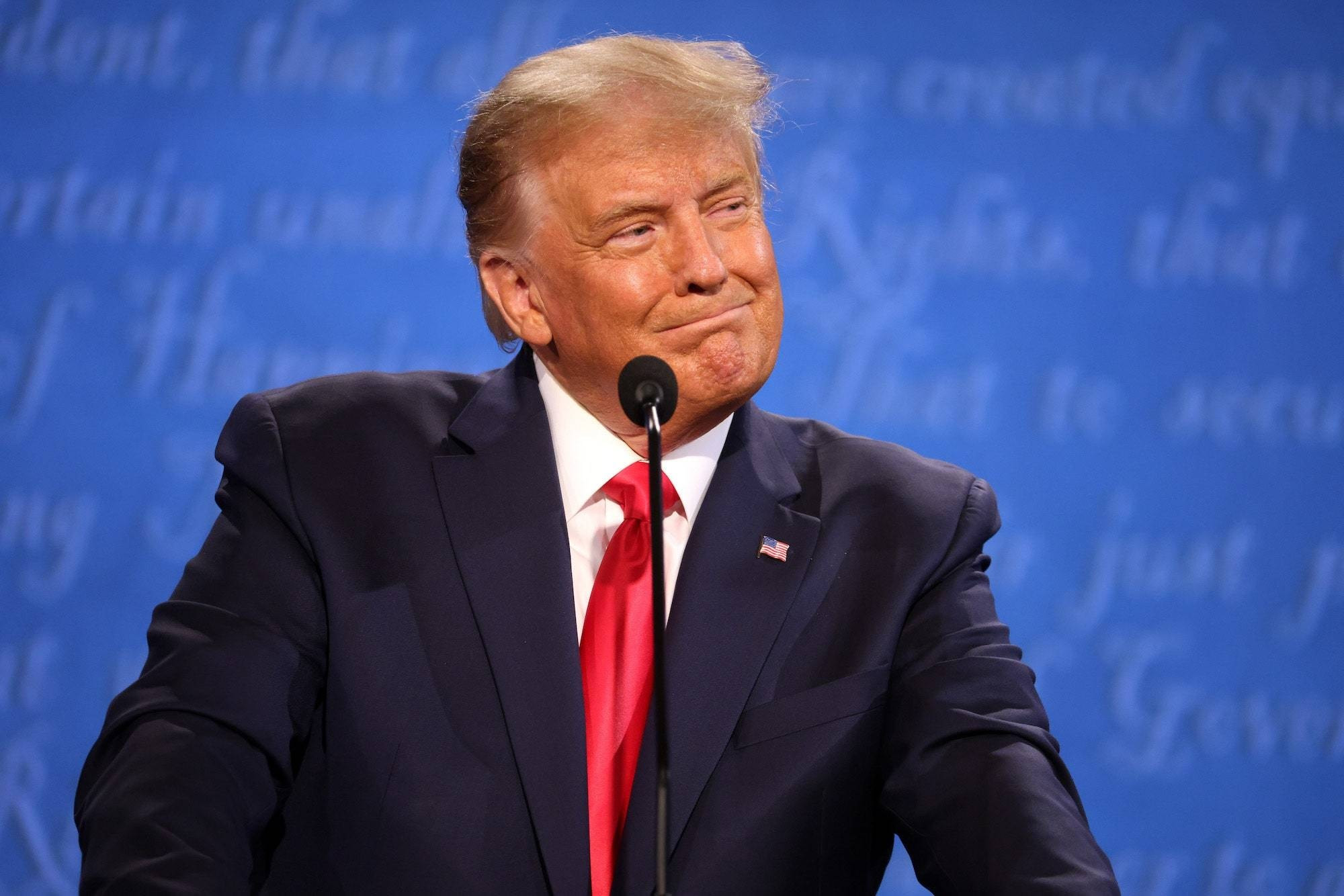
Donald Trump was U.S. President from 2017-2021 and 2025-present. He faced claims of breaking laws in first term, uncharged while in office due to protections. Trump denies guilt. Below: first-term allegations with outcomes as of Jan 2026, plus recent findings and new alleged unconstitutional actions in second term.

