
Visuals by Hubert Hayaud
Text by Jody Garcia
Aug. 7, 2026
They board flights from Central America bound for the United States, not to migrate but to source used cars. Operating a cross-border circuit, these drivers transport salvaged vehicles from American scrapyards to their home roads — giving junked cars a second life and fueling the local economy.
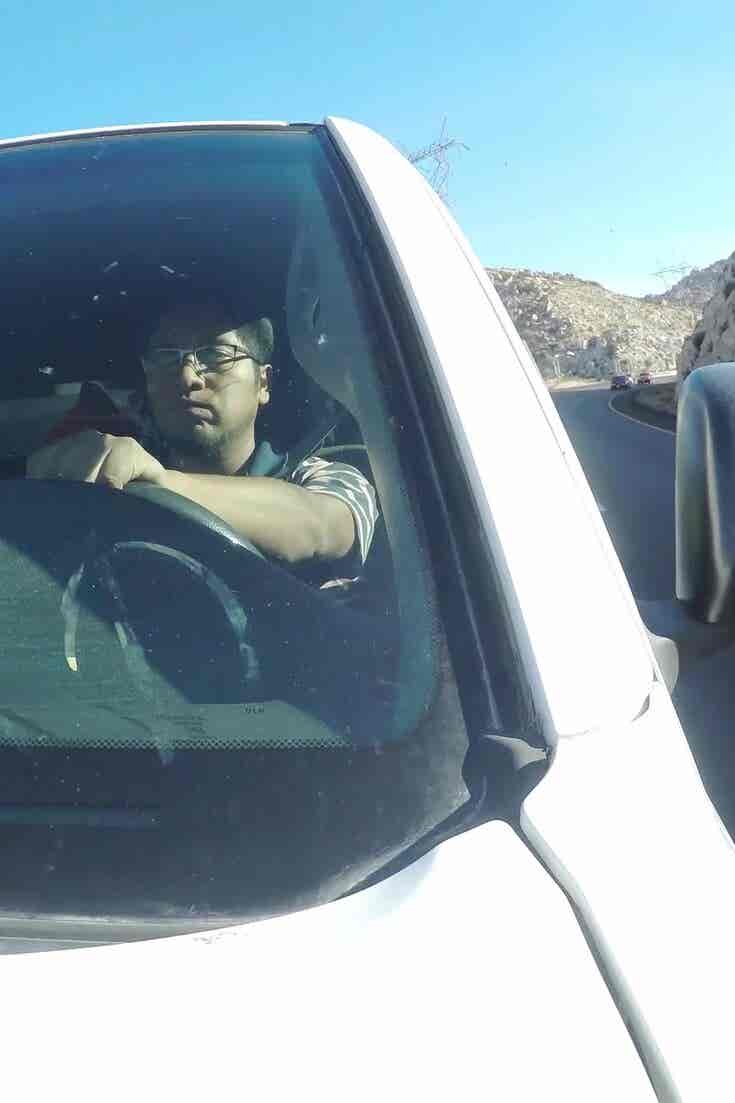
Julio César Pisquiy Nimatuj was 12 when he first drove on a highway. He discovered that he enjoyed being behind the wheel.
Decades later, Mr. Pisquiy, 44, is one of these migrants who drives for a living.
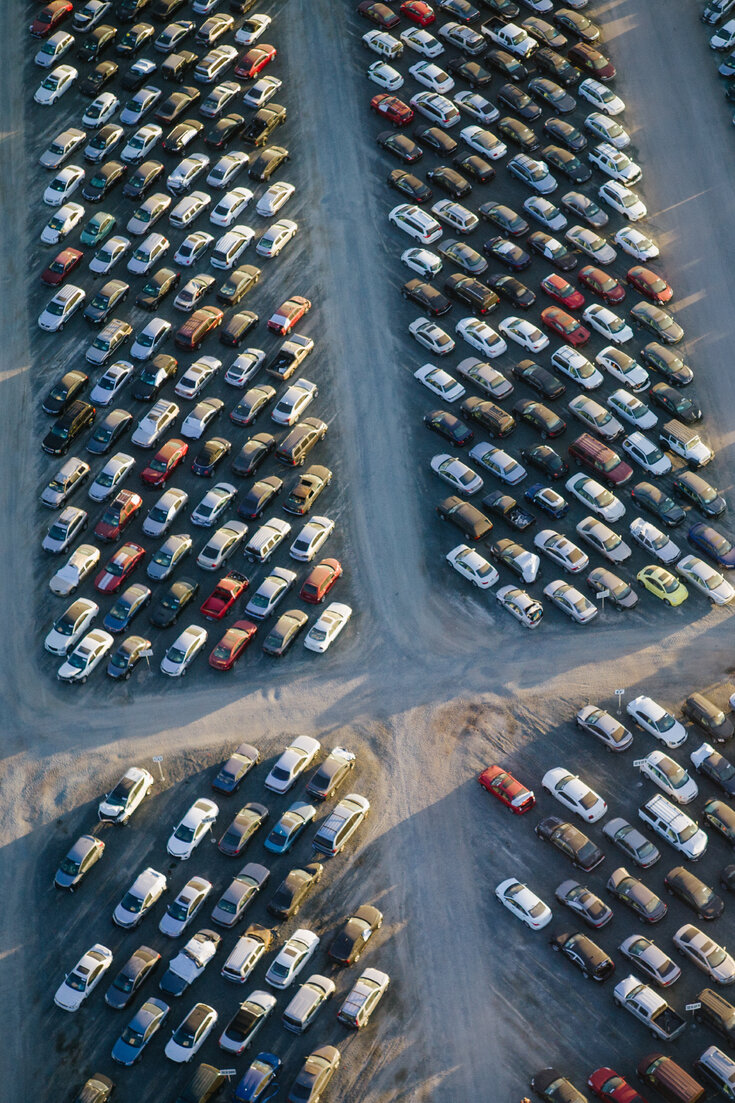
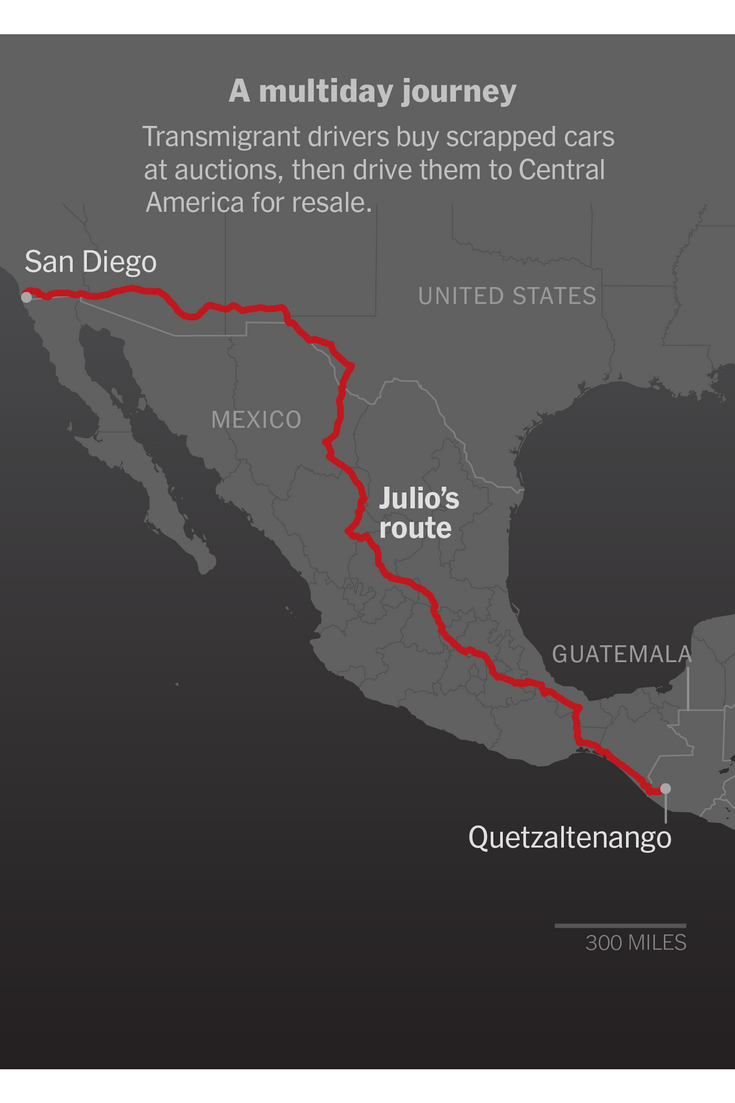
Every driver has their own business model. Mr. Pisquiy buys the cars in advance at auctions in the United States and has them delivered to Otay Mesa, east of San Diego, before bringing them back to Guatemala for resale.
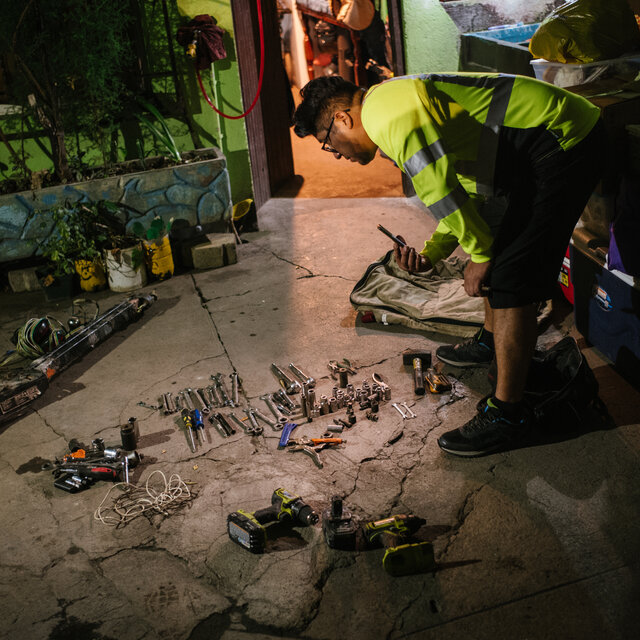
Before heading to the United States, Mr. Pisquiy plans out his luggage.
His first-class ticket allows for 73 pounds of baggage, which he dedicates to vital equipment like wrenches, an impact gun and a tow bar. Whatever space is left over is used to transport general goods.
Online descriptions rarely match reality, so the cars’ actual condition are usually a surprise. Mr. Pisquiy handles the repairs himself, patching them up just enough to survive the 2,000-mile journey.

He travels between 10 and 15 times per year, making an average of $2,000 per trip. The trips can take up to 20 days total.
He also supplements his income transporting gifts and essential supplies coordinated with customers through WhatsApp. He calls himself a transmigrant.
“I also have a body shop and optometrist clinics, but if I can’t travel, I’m in trouble,” he said. “Of my three jobs, transmigrant is the most profitable.”

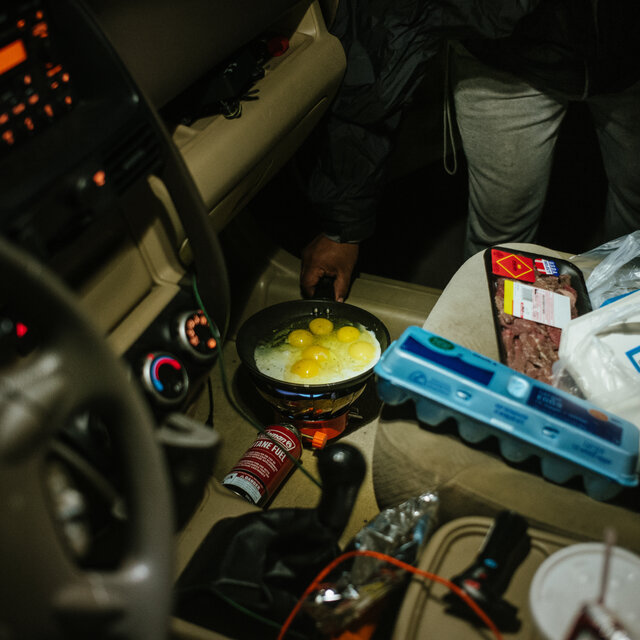
To transmigrants, damaged vehicles sitting in U.S. junkyards are pure gold. Holding transit visas that permit continuous North American transit without permanent residency, they are uniquely positioned to turn these castoffs into a lucrative trade. This provides a vital economic alternative to traditional migration paths used by thousands of Central Americans.
In Guatemala, where the World Bank reports a 55 percent poverty rate and an informal sector driving half the economy, such lifelines are exceptionally rare.

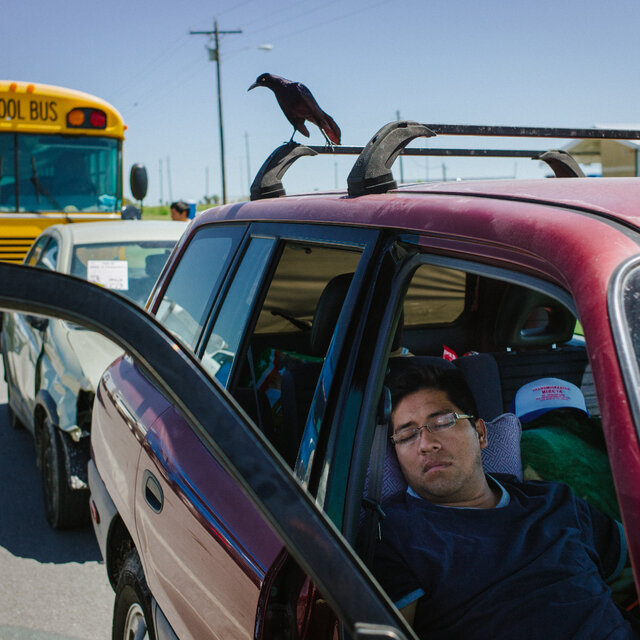

On Mr. Pisquiy’s first trip to the United States, his mentors told him to bring back a school bus. It was his first time driving such a large vehicle.
“I cried in the middle of the freeway,” he said. About 15 years have passed since that drive.
While cheaper in Central America, imported used cars often lack the strict occupant safety protections required by U.S. standards.


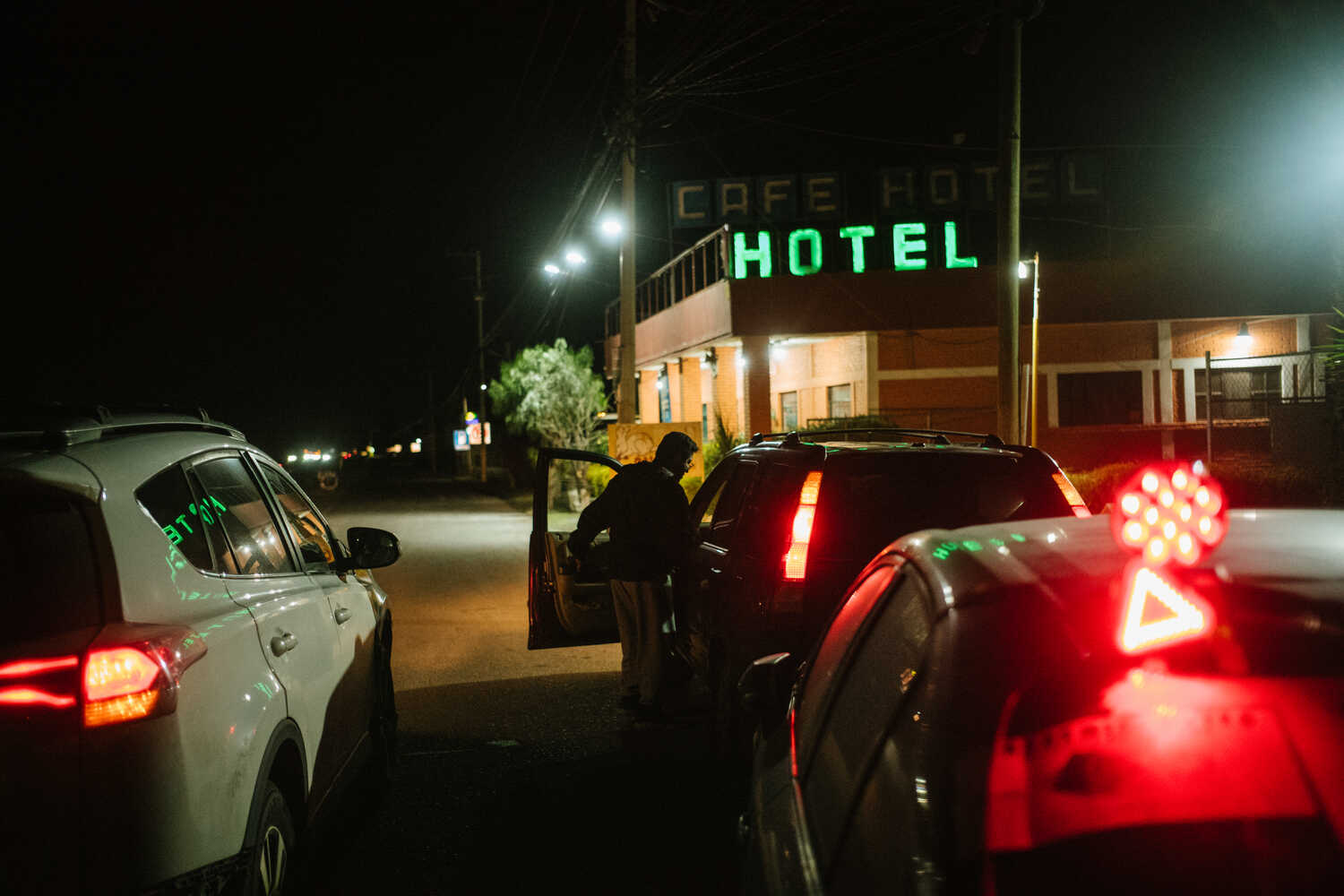
Mexico allows transmigrants to use only two roads to cross the country, giving Mr. Pisquiy nine days to reach Guatemala.
The journey doesn’t come without risks.
The drivers are assaulted and robbed on the road. Extortion is so common that payment for cartels is worked into the budget of every trip.
“We never really know who is assaulting us,” Mr. Pisquiy said. “What I know is they take 2,000 pesos out of my pocket.”


Before reaching the final buyer, the vehicle passes through many hands: mechanics, painters, sellers, among others.
Each trip costs Mr. Pisquiy about $2,000, which includes the plane ticket, spare parts for the car, food, taxes and payments to the agencies that process the transit permit in Mexico. And also extortion money.
He ensures his vehicle is safe to avoid roadside breakdowns that could cost him extra time and money. He has been lucky so far, but many transmigrants have had deadly accidents.

They have created a solidarity network to help with the loneliness and dangers of the journey. “I have my favorite places, hotels and restaurants,” Mr. Pisquiy said. “I do everything on my own and I drive about 14 hours a day, so I need a good sleep and a good meal.”
Obtaining legal permission to enter the United States took him two years and many documents to prove that he would not stay in the country.

Mr. Pisquiy’s wife, Any, waits for him at home with their two daughters and son and only asks one thing: that he does not die on the road.
Mr. Pisquiy says he feels more confident but has become more cautious as time passed.
“I have more experience, and that makes me more cautious, even with my schedule,” he said.
