
“Our friend group, everyone’s going to go their own way,” said Honesty Graham, as she spun a hot pink fidget toy around her hand. “Everyone’s being split up.”
Advertisement
The district marked the Frederick for closure at the end of the school year as part of its broader effort to address declines in enrollment in the 48,000-student district and shift students to schools that house grades 7-12.
When plans were first announced in 2018 to phase out middle school over five years, more than a hundred students, teachers, and parents packed a Boston School Committee meeting to oppose the facilities proposal. But a year later, the committee voted to proceed and one-by-one, the middle schools closed, leaving the Frederick the last among them. By the time the Frederick’s closure came up for a vote in 2024, the community opted not to fight.
Advertisement
Across the country, many districts have phased out standalone middle schools over the last couple of decades, as education experts tried to determine how best to serve young adolescents.
Related: Boston School Committee votes to eliminate middle schools
Sixty years ago, education scholars believed middle schools could tailor education to that age group. More recently, researchers have found the damage wrought by transitions from school to school is not worth the advantages specialization provides: Achievement declines as students have to adapt to a new school. Many of the innovations that middle schools popularized like non-academic “advisory periods” and multisubject “teams” that group students and teachers have spread to other grades. And declining enrollments, a problem across the country, are often easiest managed by closing middle schools.
By 2024, middle grades had been added to a half dozen Boston high schools, while other middle schools had already closed or merged with high schools. With closure on the horizon, the Frederick community made some demands about the building’s future, including retaining the name of Lilla G. Frederick on the elementary school that will open there. They then sought to make the last year count.
As staff member Andrew Brown put it last summer, “People talk about auspicious beginnings but never inspiring endings.”
Related: Boston School Committee votes to close its last middle school, rename Burke High
When the Frederick opened in 2003 as New Boston Pilot Middle School, it was a hard-fought victory and rare investment for Grove Hall. The neighborhood’s high school, the Burke, had recently temporarily lost its accreditation, and the area had seen decades of underinvestment. Even the site of the school, a vacant lot on Columbia Road, was so infamous for drugs and crime that Mayor Thomas Menino called the National Guard to help clean it in 1996.
Advertisement
Project R.I.G.H.T., a community organization formed to address violence in the neighborhood, campaigned for a new middle school to serve as a community hub, said Michael Kozu, co-director of the organization and the original board chair of the school. Lilla G. Frederick, one of Project R.I.G.H.T.’s founders, led the process of getting neighbors onboard. It would be a semi-autonomous pilot school with multiple board seats for community members.
“It was a major investment that kind of reversed the legacy of disinvestment,” Kozu said. “It’s made such a big difference in terms of stability and increasing opportunities.”
It lived up to its mission as a community, housing at various times a church, a basketball league, a polling place, and even a support group for the previously incarcerated.
When Frederick passed away in 2005, the school was renamed in her honor.
Speaking to the School Committee in 2024, board chair Emmanuel Tikili asked the district to continue to honor her commitment to the neighborhood, including by keeping her name on the building.
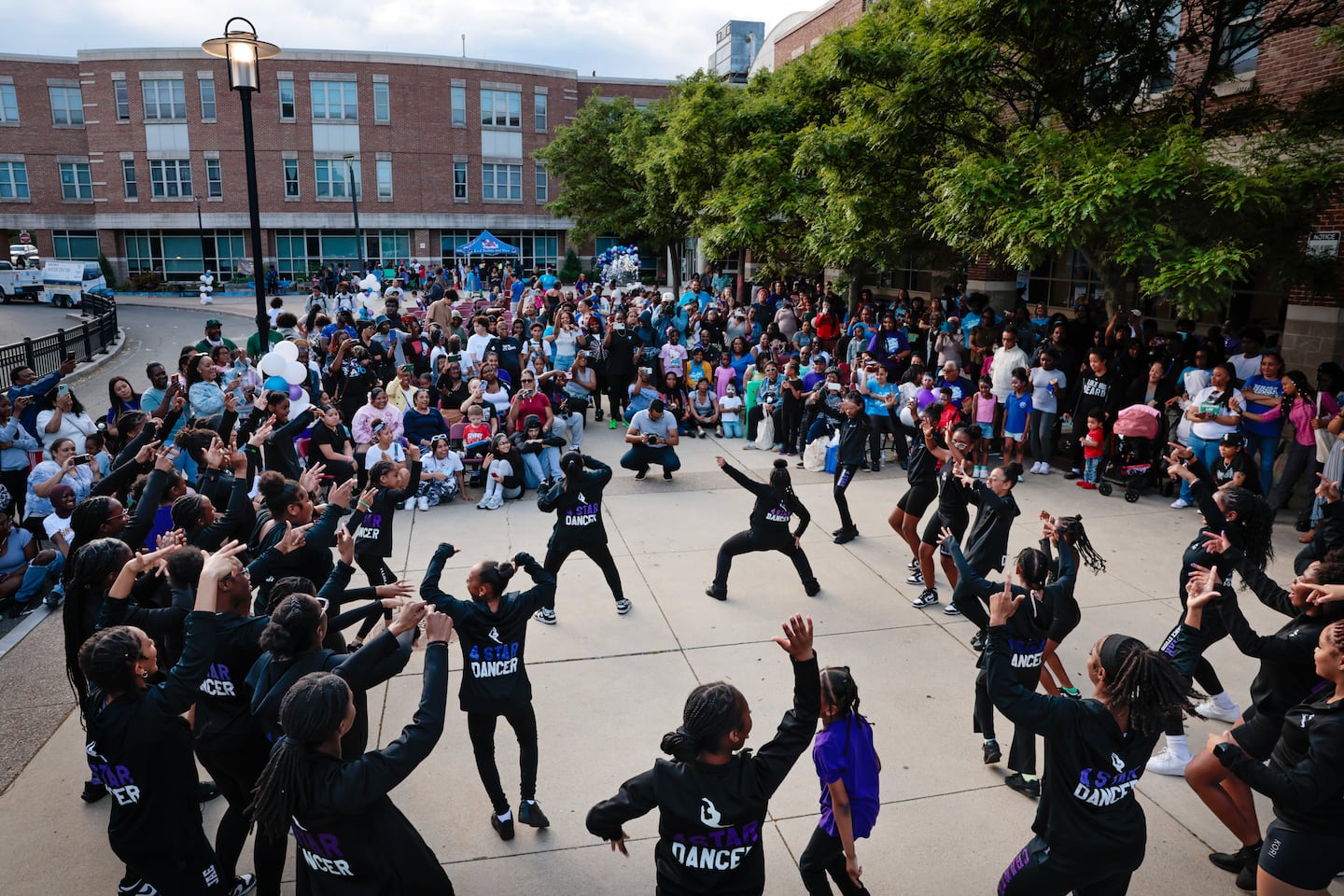
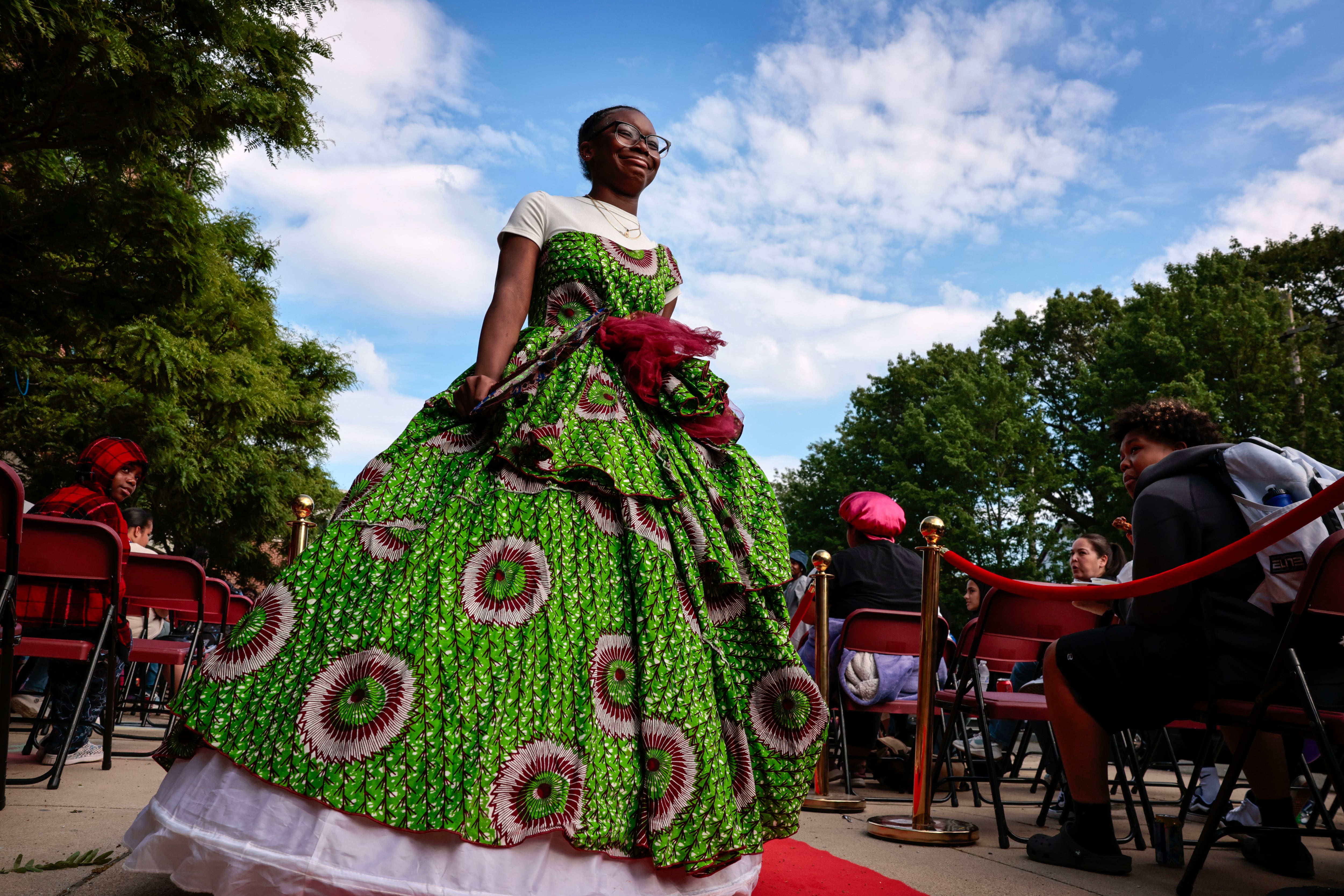
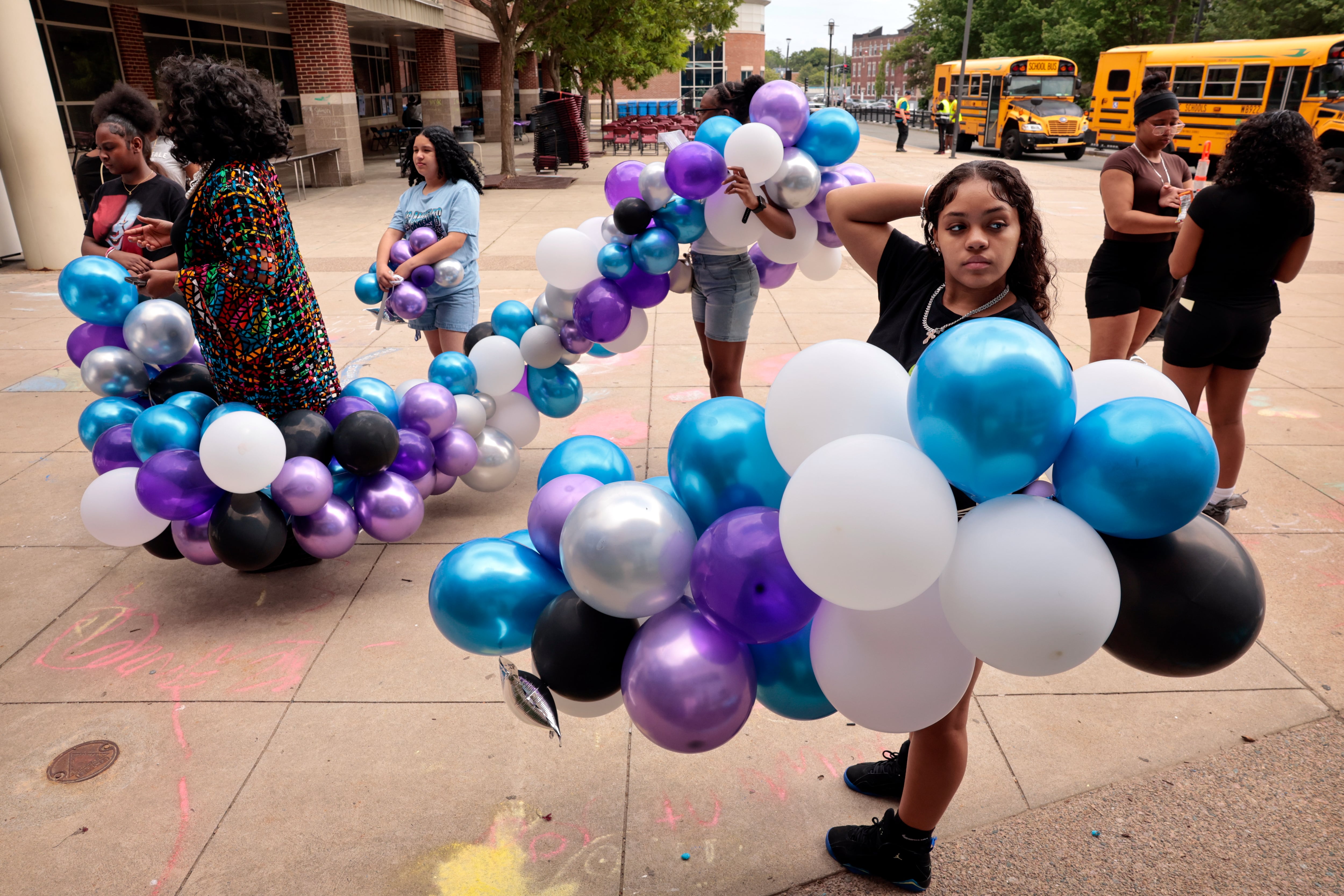
The school’s commitment to the community manifested itself in various ways throughout the years. It had a one-to-one laptop program years before it became a norm. It attracted national attention for not only sending children home with personal computers but teaching parents to use them. For years the school had many Somali refugee students, and partnered with Boston Children’s Hospital on a targeted mental health care program.
Susan Lovett, a social worker at the school in its early years, said even her position was innovative at the time. The district now has social workers in every school. The Frederick was also a model for the district in bringing in partners, Lovett said, previewing today’s community hub schools that host organizations like the YMCA.
Advertisement
“We wanted the school to be as resourced as some of the schools in Boston’s wealthiest suburbs are,” Lovett said.
That meant everything from a program with the Boston Ballet to a wrestling team. And opportunities like those continued into the school’s final year, with partners like the Becoming a Man group counseling program, the combination tennis and tutoring club Tenacity, and even a visit from Boston Celtics star Jaylen Brown.
This school year, students focused not on the school’s closure but on all the fun they had, culminating in a field trip to Six Flags.
“It was fun while it lasted,” said Alieshaa Felix, a graduating eighth-grade student.
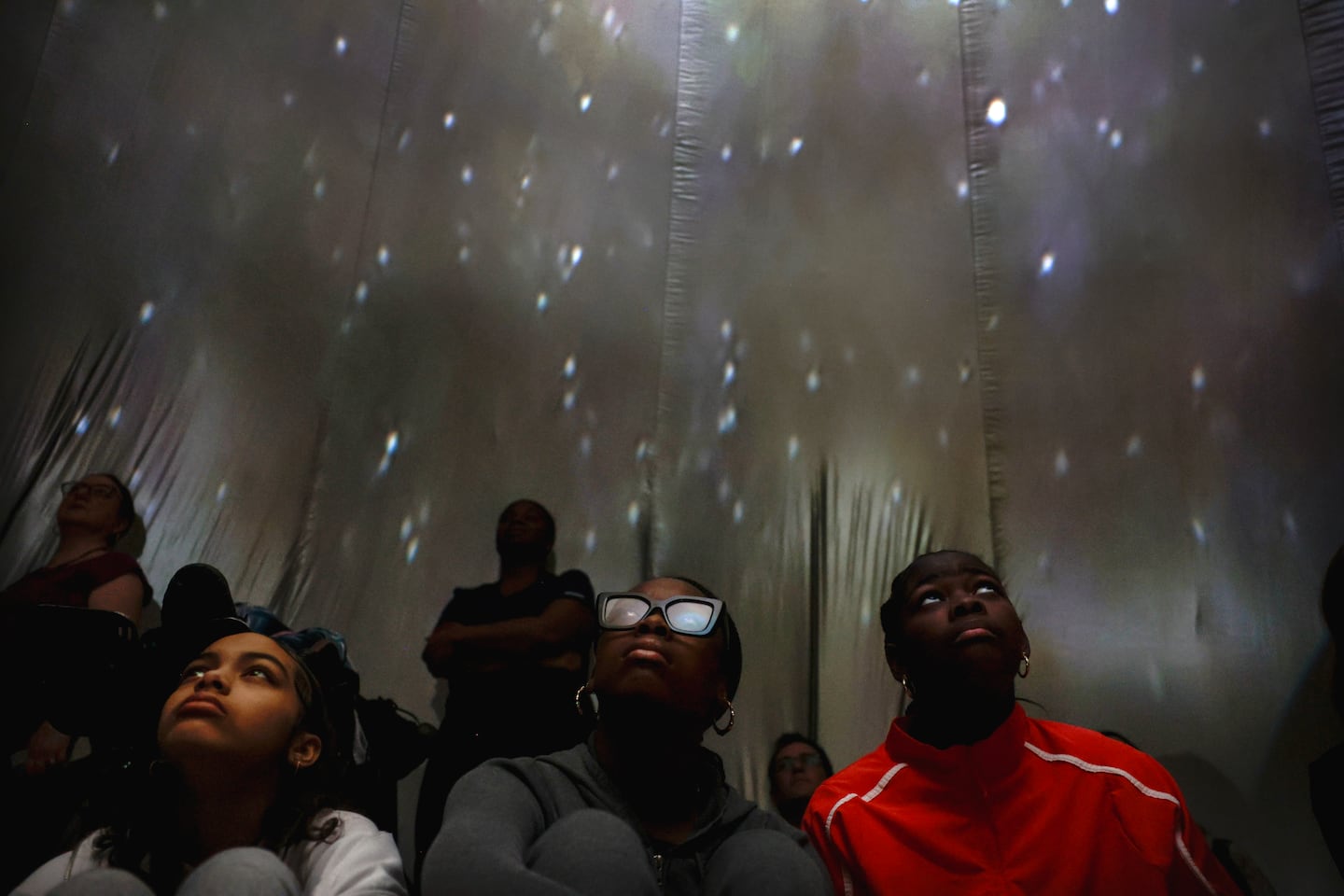
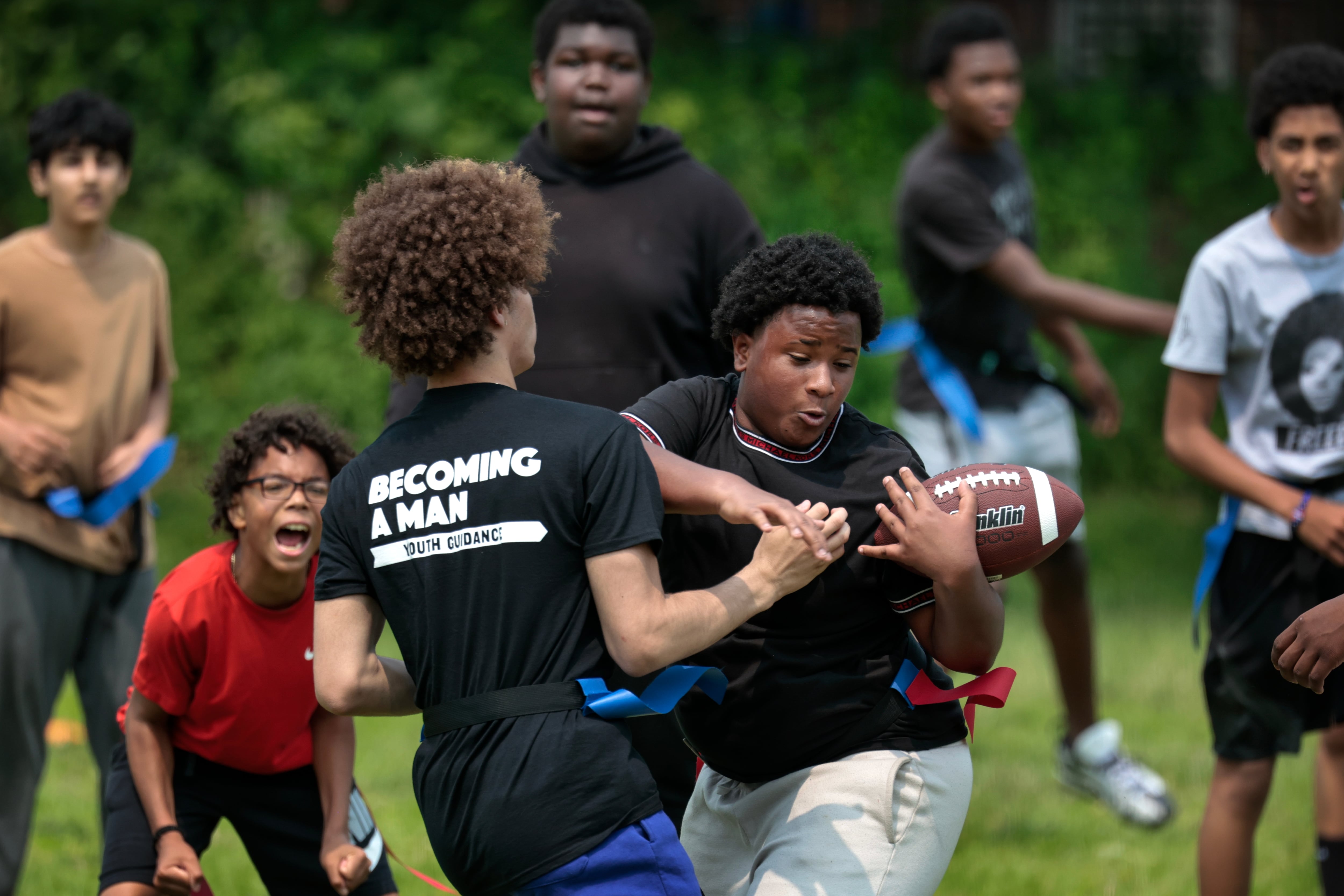

Over its two-plus decades, the school has changed with the neighborhood. Wrestling gave way to volleyball. With a mostly Black American student body in its early days, it ultimately educated mainly immigrant children: Haitian, Cape Verdean, Latin American. In its final year, the school‘s students were 56 percent Latino and 38 percent Black. More than nine in 10 were low income, two-thirds were non-native English speakers, and more than one-quarter had disabilities.
The school was never as successful academically as leaders hoped, with standardized test results consistently trailing both the state and district across most subgroups. Two principals were pushed out in 2012 and 2013, the first over “questionable use of technology” and the second after being caught plagiarizing memos. Enrollment gradually declined from nearly 700 in the early days to less than half that last year.
Advertisement
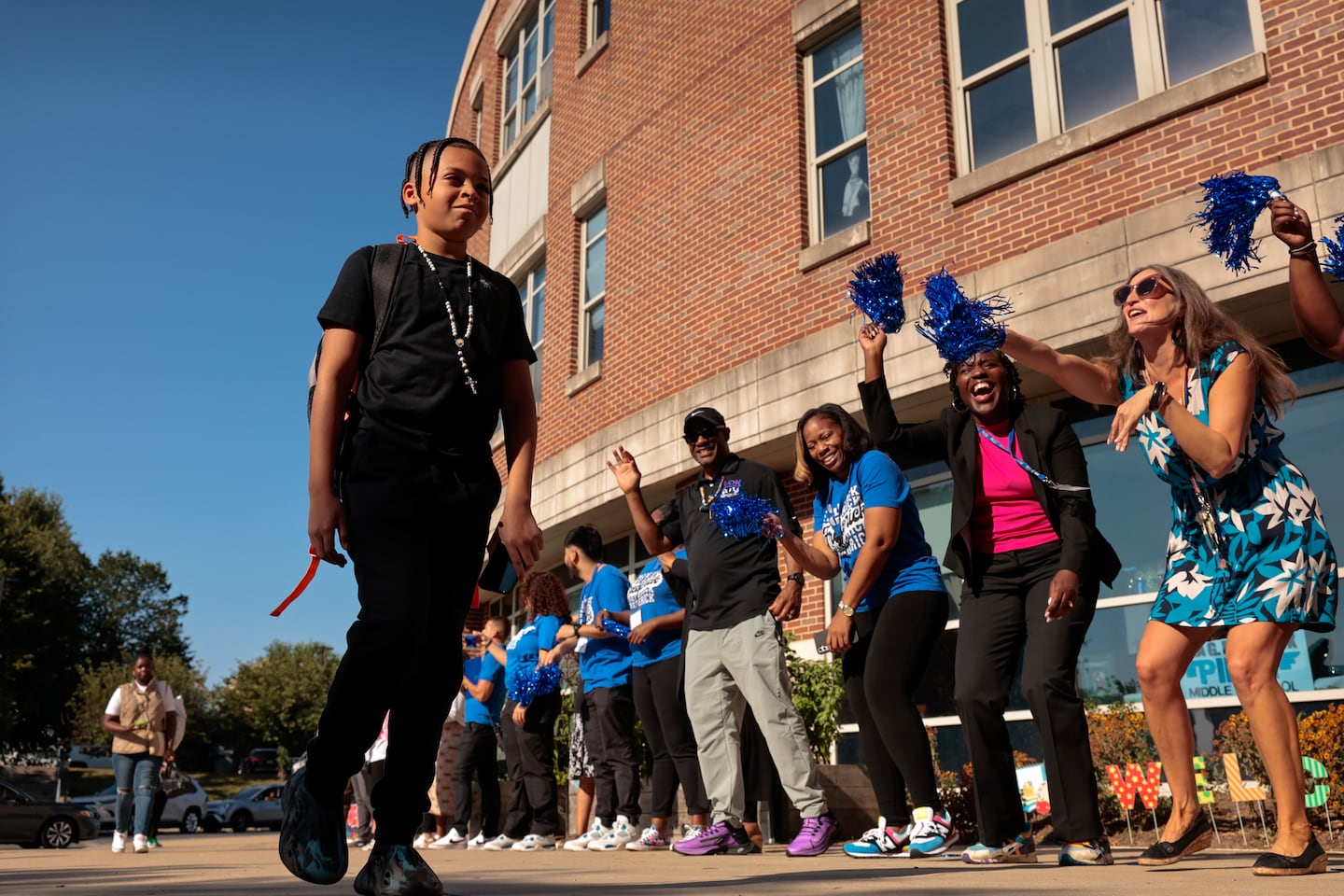
But it’s remained a hub of the community, said Gloria West, a former parent at the school. It’s a place where staff notice when a student got caught in the rain walking to school and offer them dry socks, where students insist as part of a “week of joy” on helping organize their teachers’ offices, and where many students and families wish they could stay longer.
“I really wished there were more grades,” said Sinaika François, who attended the school from 2013 to 2016. “I didn’t want to leave.”
François’ younger brother Erntz was the third member of the family to attend the school but will complete eighth grade at East Boston High School next year. Their little sister can’t follow in their footsteps at all, François lamented.
Instead, the Frederick will become the home for a new elementary school, a merger of the Winthrop and Clap elementary schools, part of broader district efforts to have fewer but larger schools with multiple classes per grade and more robust options.
In the new, middle school-less era, the district will have to take on the challenge of educating students in new ways. It’s a challenge that has bedeviled educators for a century, said Penny Bishop, dean of Boston University’s school of education and an expert on the middle grades. Young adolescents have intense need for belonging but also demand independence, she said, which calls for more structure than traditional high schools but less than elementary schools.
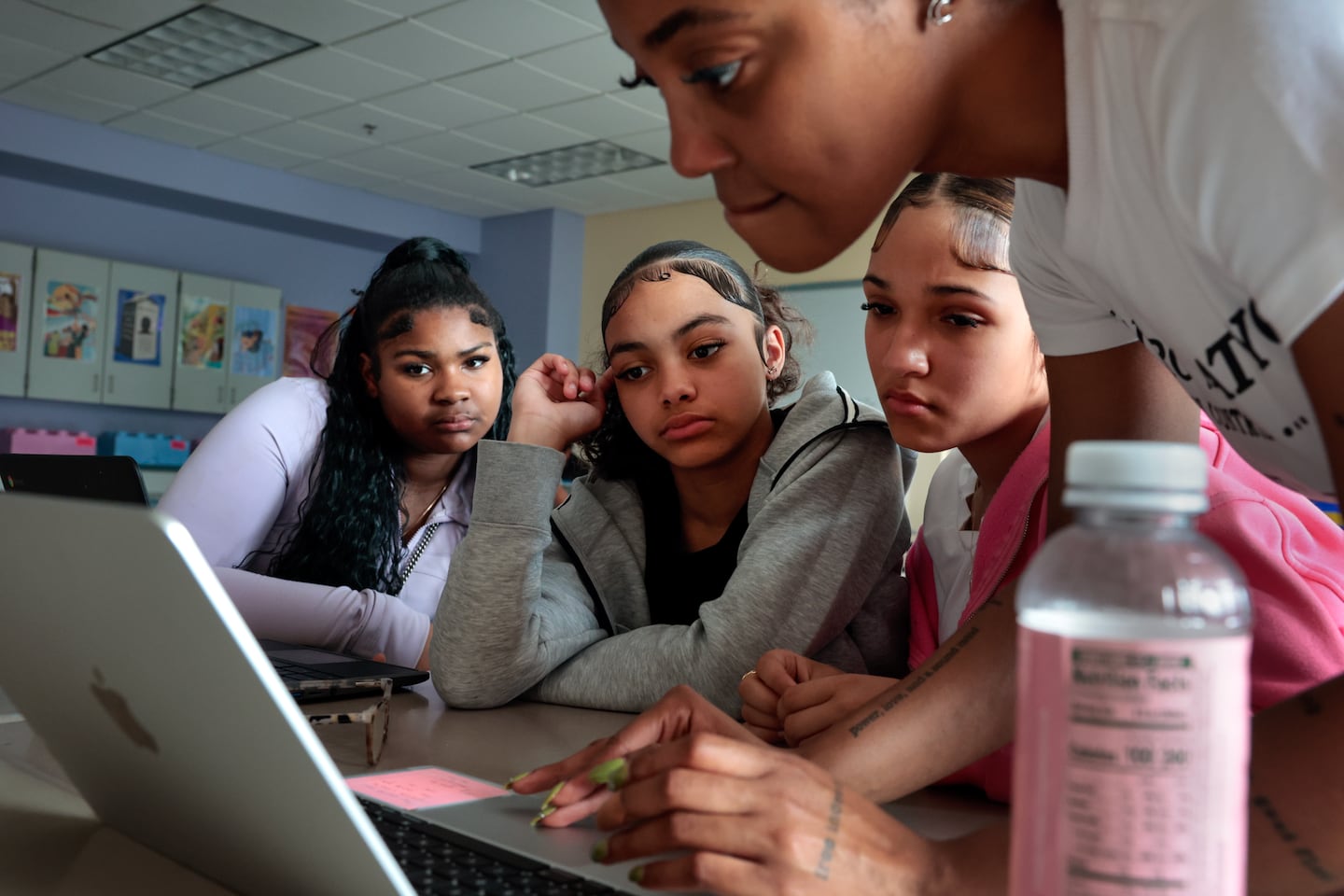
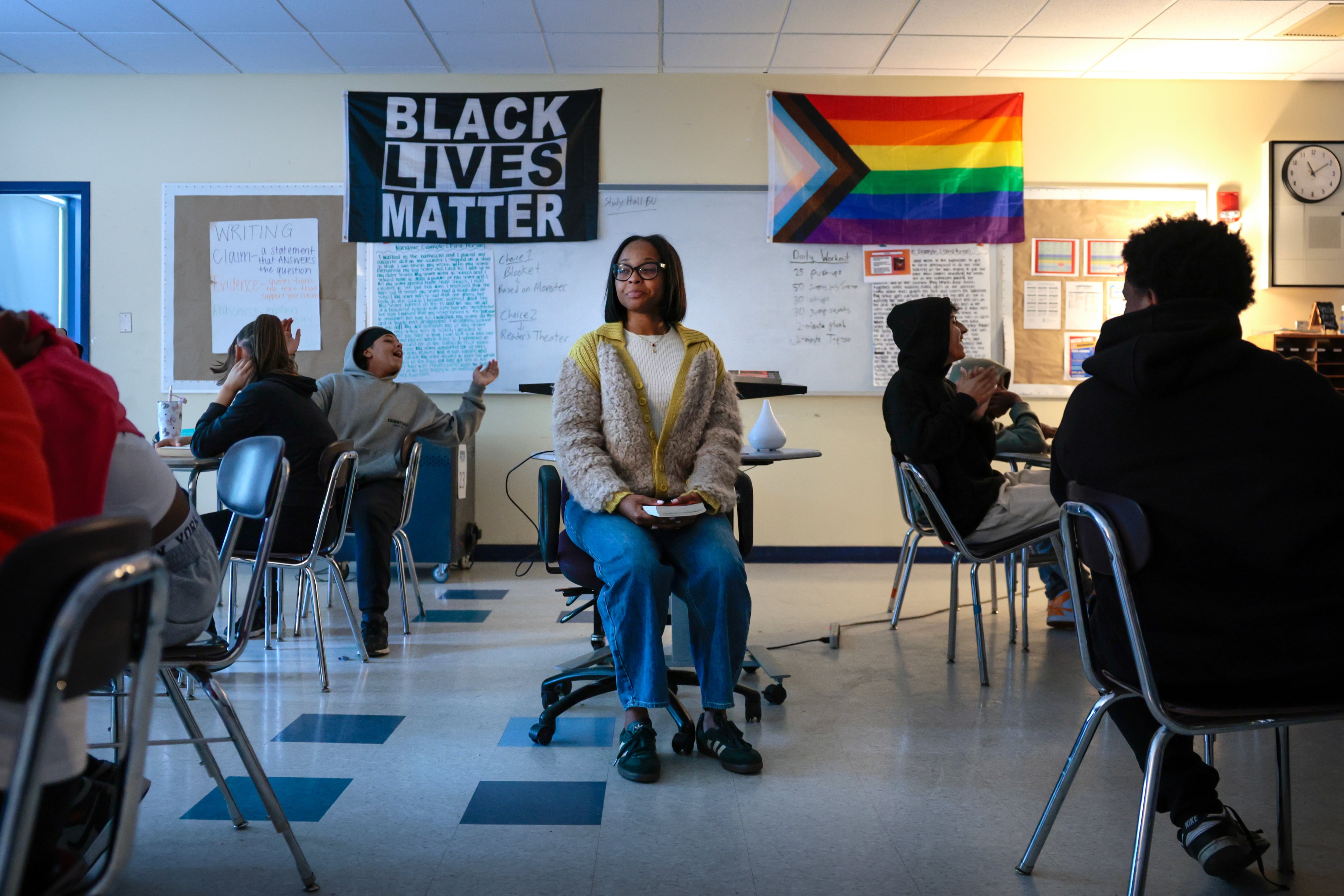
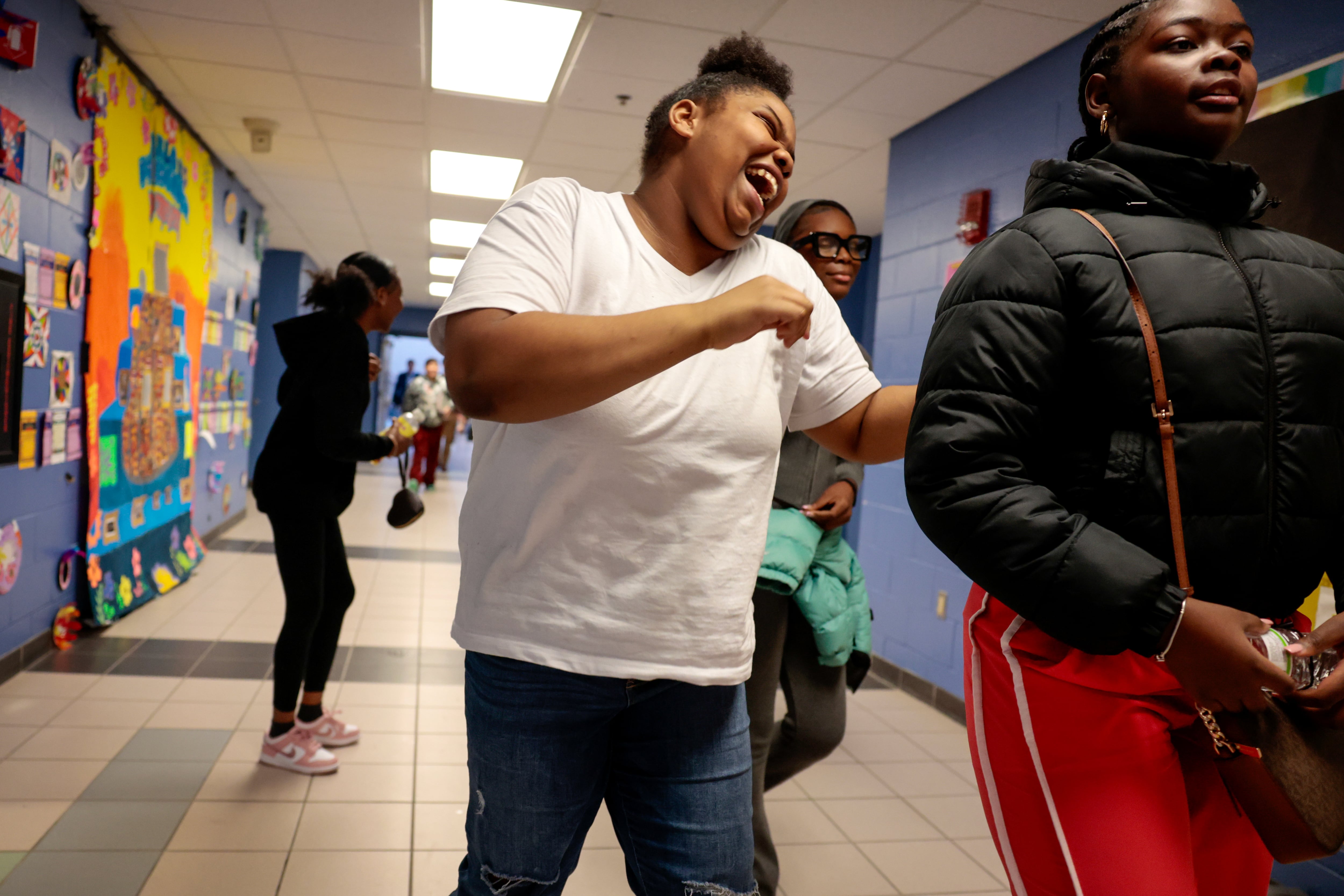
Bishop said there’s nothing essential about the separate buildings, but middle grade students need supports they often miss in schools dominated by younger or older students. At the Frederick, for example, students are grouped into teams to help build community, and given agency whenever possible, even in seemingly minor matters like planning spirit weeks.
Related: ‘We’re kicking the can down the road’: Critics say BPS is slow-walking decisions on school closures
Advertisement
For Honesty, the Frederick met all the conditions of a good school: “A good community, teachers you can count on, good environment where you can feel safe and feel welcome and learn … and you can still have fun.”
But going into next year, Honesty is considering leaving the district entirely, for Dedham. Her classmates are scattering across the city. So are the staff, many of whom have been at the Frederick longer than Honesty has been alive.
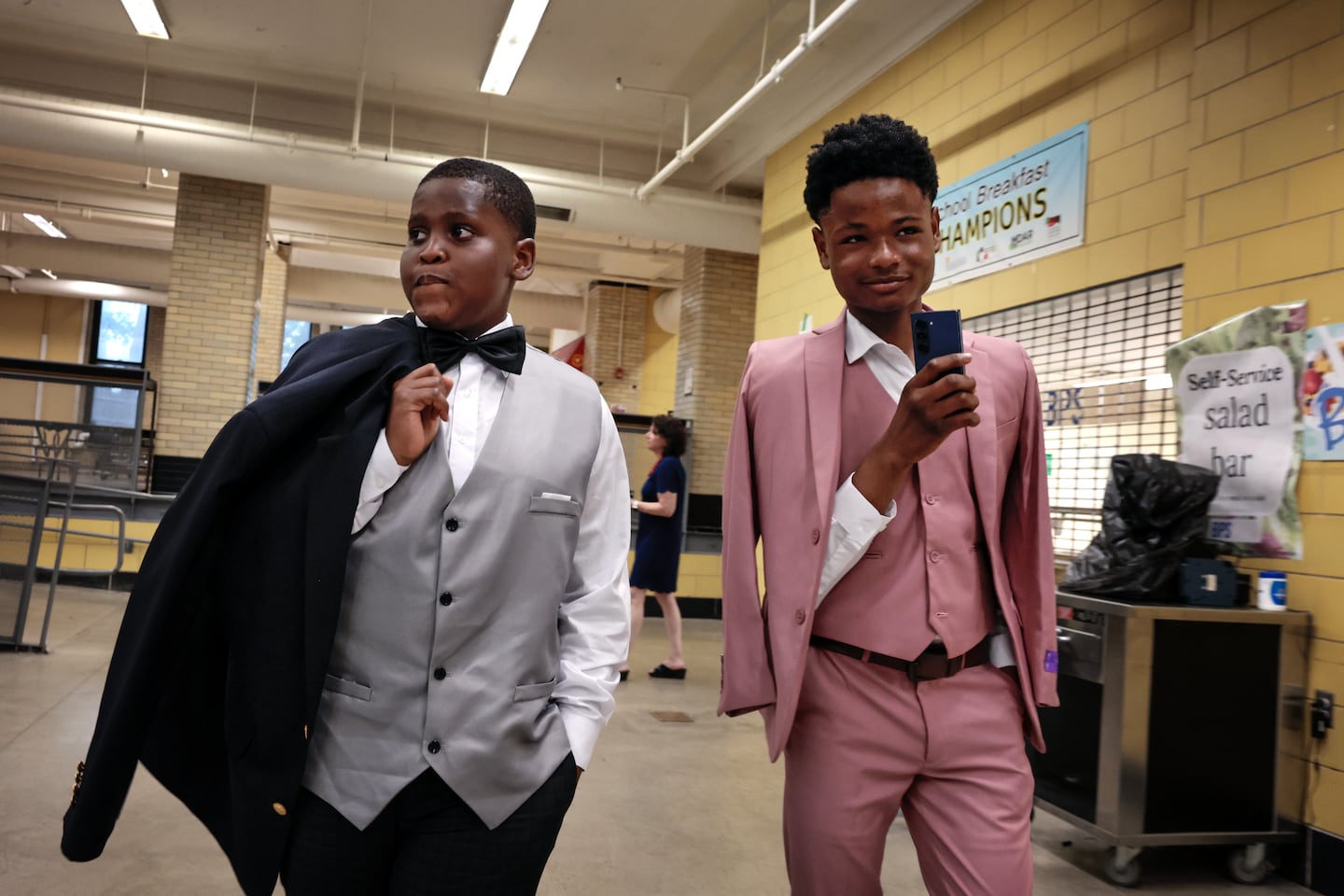
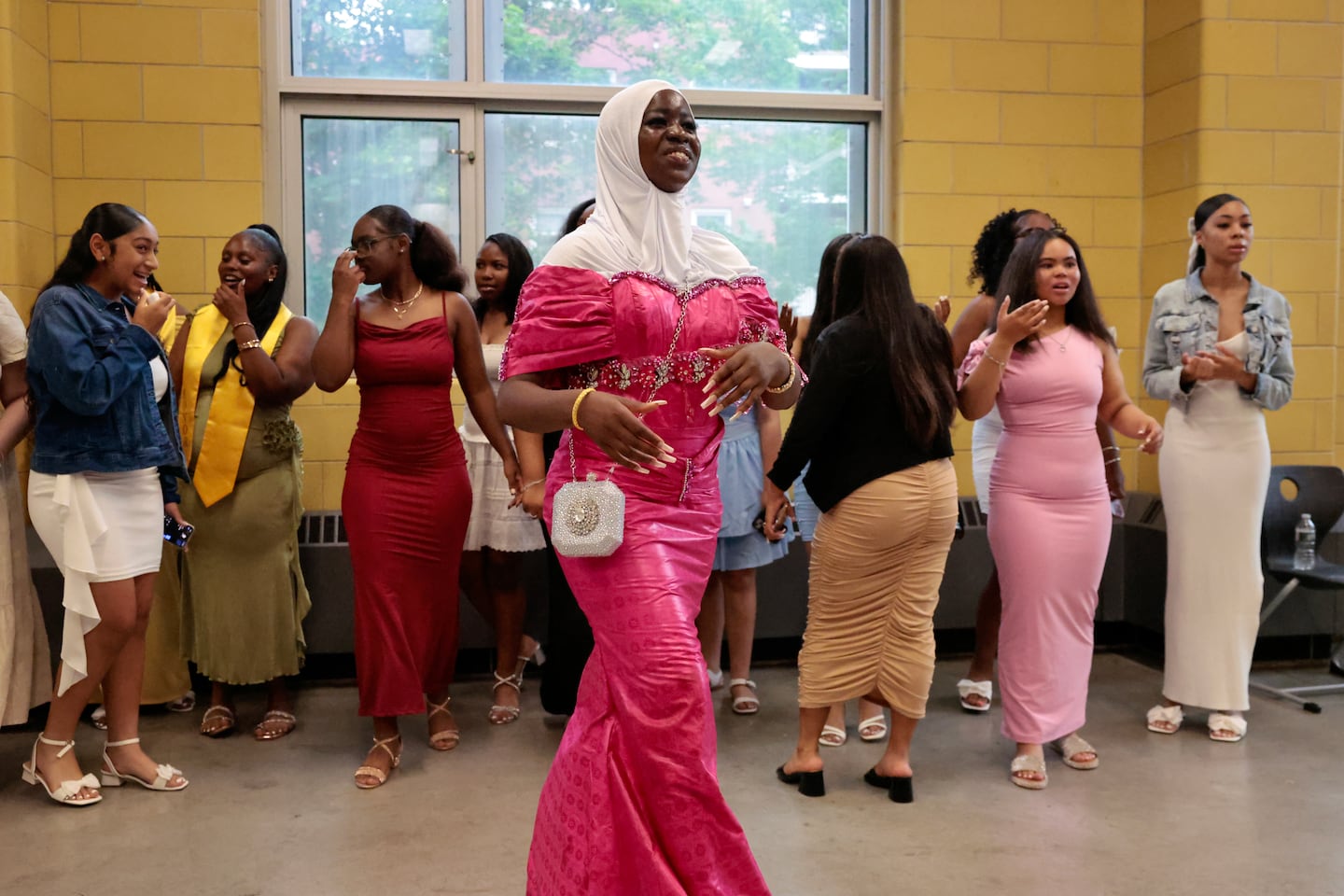
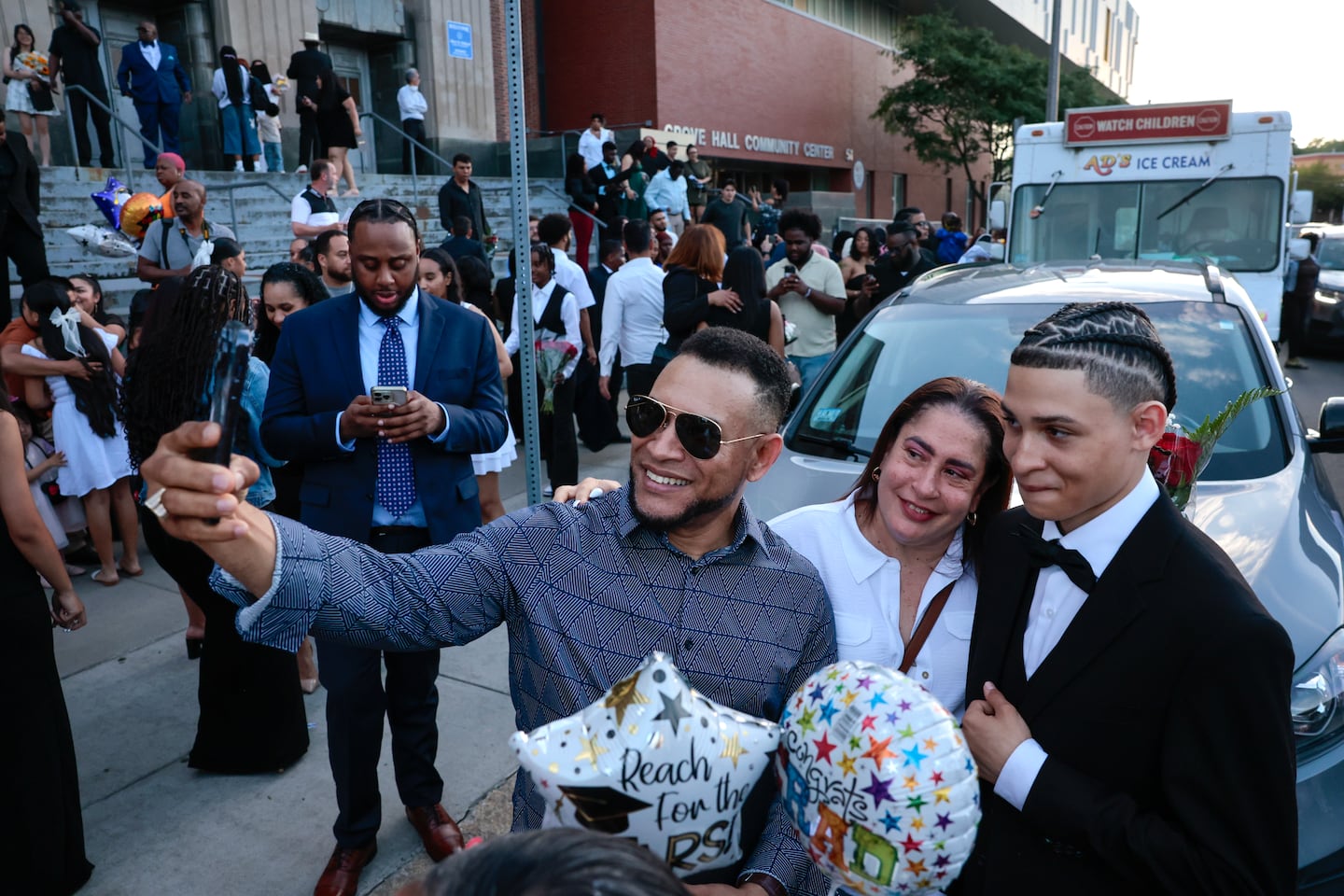
Last Wednesday, the school community gathered at the nearby Albert D. Holland School of Technology, for the city’s last middle school promotion ceremony — graduating the final Frederick eighth grade class. Families bearing balloons and flowers filled the auditorium, and students in three-piece suits, crisp white sneakers, gowns, and party dresses cheered as staff handed out awards and certificates of completion. Principal Meghan McGoldrick set the tone of celebrating the final year.
“We promised ourselves and each other that this final year will be one of our very best years ever together,” the principal said. “We have kept that promise.”
Student Shari Martinez David, who gave a speech at the promotion ceremony, kept the focus on their shared future.
“We made it, and we’re ready for whatever’s coming ahead,” she said. “This isn’t the end of the story.”
Christopher Huffaker can be reached at