
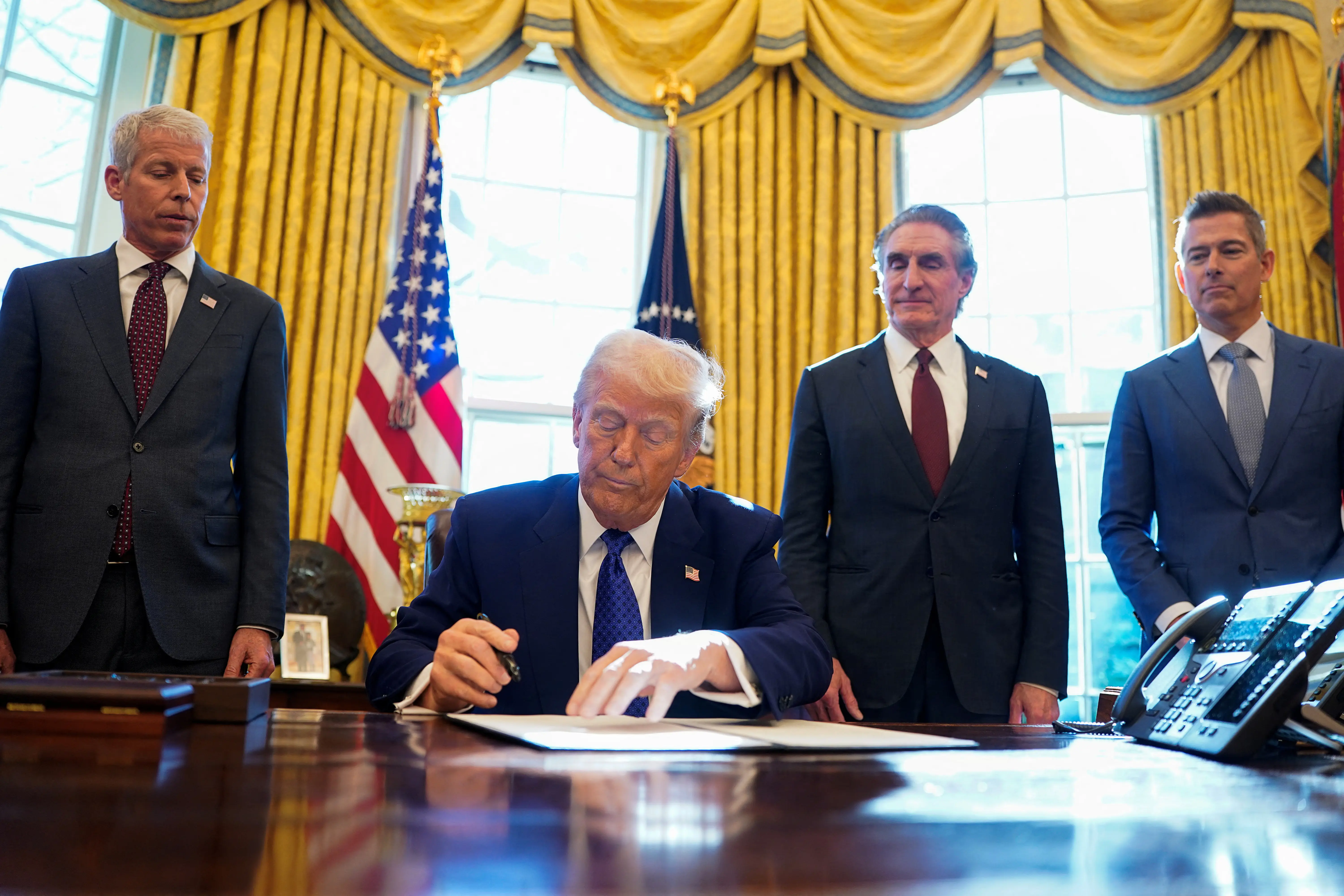
As of June 2025, the United States is grappling with a complex array of political challenges that shape its social, economic, and governance landscapes. These issues, ranging from economic pressures to contentious policy shifts, reflect deep-seated divisions and priorities in American society. Drawing on recent data, surveys, and expert analyses, this editorial examines the most critical political issues facing the nation today, including economic challenges, immigration policies, governance reforms, technology regulation, and social issues. Each section provides a detailed exploration of these topics, supported by evidence and current developments, to offer a comprehensive understanding of the political climate.
1. Economic Challenges
Economic concerns dominate public discourse, with inflation, health care costs, and the federal budget deficit identified as top priorities by Americans in recent surveys (Pew Research Center).
Inflation
Inflation remains a significant concern, though recent data suggests it has stabilized at relatively low levels. The Bureau of Labor Statistics reported an annual inflation rate of 2.4% for the 12 months ending May 2025, up slightly from 2.3% in April (US Inflation Calculator). This rate is notably lower than the highs of 2022, but economists warn that President Trump’s tariff policies could drive consumer prices higher in the coming months (CNBC Inflation Breakdown). For instance, tariffs on imports may increase the cost of goods, potentially pushing core inflation to 3.0-3.5% later in 2025. This uncertainty underscores the need for careful economic monitoring and policy adjustments to maintain affordability for American households.
Health Care Costs
The rising cost of health care continues to strain household budgets and the broader economy. A 2025 report by PwC projects an 8% year-on-year increase in medical costs for the group market and 7.5% for the individual market, driven by inflationary pressures, increased prescription drug spending (notably on GLP-1 weight loss drugs), and growing demand for behavioral health services (PwC Medical Cost Trend). The Centers for Medicare and Medicaid Services (CMS) note that per capita health expenditures are expected to rise from $14,423 in 2023 to $21,927 by 2032, reflecting a 5% annual growth rate (CMS NHE Fact Sheet). Additionally, a Mercer survey indicates that U.S. employers anticipate a 5.8% spike in health insurance costs in 2025, driven by workforce shortages and higher service costs (Reuters Health Costs). These trends highlight the urgent need for policies to enhance affordability and access to care.
Federal Budget Deficit
The federal budget deficit poses a long-term threat to economic stability. The Congressional Budget Office (CBO) projects a deficit of $1.9 trillion for fiscal year 2025, with federal debt expected to reach 118% of GDP by 2035 (CBO Budget Outlook). This follows a 2024 deficit of $1.8 trillion, equivalent to 6.4% of GDP (CBO Infographic). The U.S. Treasury reported a cumulative deficit of $838 billion through January 2025, with spending outpacing revenues (Bipartisan Policy Center). The Government Accountability Office (GAO) warns that without action, federal debt could hit 106% of GDP by 2027, crowding out private investment and limiting fiscal flexibility (GAO Fiscal Health). Proposals for $2.5 trillion in spending cuts and a $4 trillion debt ceiling increase are under debate, but achieving consensus remains challenging (Bloomberg Government).
| Economic Issue | Current Status | Projected Impact |
|---|---|---|
| Inflation | 2.4% (May 2025) | Potential rise due to tariffs |
| Health Care Costs | 7.5-8% increase projected | Strains household budgets |
| Budget Deficit | $1.9T (FY 2025) | Debt to reach 118% of GDP by 2035 |
2. Immigration and Border Security
Immigration policy has emerged as a central and divisive issue, particularly under President Trump’s second term. A 2025 survey by AP-NORC indicates that immigration is a growing priority for Americans, surpassing concerns from previous years (AP-NORC Priorities).
Policy Changes
The Trump administration has implemented sweeping immigration reforms, including executive orders to enhance border security, end humanitarian parole programs, and initiate mass deportations (Bloomberg Immigration Guide). Key actions include reinstating the “Remain in Mexico” policy, deploying military personnel to the border, and invoking archaic laws for enforcement (Migration Policy Institute). U.S. Citizenship and Immigration Services (USCIS) reports initiating removal proceedings against over 26,700 aliens since February 2025 (USCIS News). These policies aim to address illegal immigration but have raised concerns about human rights and economic impacts.
Controversies and Protests
The aggressive enforcement measures have sparked significant backlash. Protests in cities like Los Angeles highlight public unrest over ICE raids and military involvement (CNN Protests). Legal challenges are ongoing, with courts pausing some policies, such as the termination of humanitarian parole programs (USAHello Immigration). Critics argue that these measures strain community resources and undermine international relations, particularly with Mexico and Canada (CNN Immigration Timeline).
| Immigration Policy | Description | Status |
|---|---|---|
| Mass Deportations | Largest domestic operation planned | Ongoing, with legal challenges |
| Border Security | Military deployment, wall construction | Implemented, protests reported |
| Humanitarian Parole | Programs like CHNV ended | Supreme Court ruling on May 30, 2025 |
3. Governance and Democracy: Project 2025
Project 2025, a policy blueprint by The Heritage Foundation, is reshaping the federal government, raising alarms about democratic integrity (Heritage Foundation).
Implementation
Led by figures like Russ Vought, now director of the Office of Management and Budget (OMB), Project 2025 seeks to consolidate executive power by placing federal agencies under direct presidential control (ACLU Project 2025). Actions include eliminating civil service protections, freezing federal spending, and proposing the elimination of agencies like the Department of Education (BBC Project 2025). The Heritage Foundation invested $22 million in staffing recommendations to ensure loyalists fill key roles (Wikipedia Project 2025).
Criticisms
Critics, including the Center for American Progress, warn that Project 2025 could dismantle the U.S. system of checks and balances, creating an “imperial presidency” (American Progress). Proposals to limit food assistance, end early education programs, and privatize Medicare are seen as harmful to vulnerable populations (Democracy Forward). Recent legal challenges, such as a federal judge blocking an election overhaul executive order, underscore resistance to these changes (PBS Election Overhaul).
| Project 2025 Proposal | Impact | Opposition |
|---|---|---|
| Executive Power Consolidation | Streamlines presidential control | Threatens checks and balances |
| Agency Overhauls | Eliminates or reforms agencies | Legal and public resistance |
| Social Program Cuts | Limits access to assistance | Harms vulnerable communities |
4. Technology and Regulation
Technological advancements present both opportunities and challenges, with AI regulation and cybersecurity emerging as critical issues (Governing Issues 2025).
AI Regulation
States are adopting varied approaches to regulate AI, balancing innovation with safety. Colorado has passed anti-discrimination AI policies, while California’s safety-focused bill was vetoed (Governing Issues 2025). Concerns include AI’s potential for cyberattacks and discriminatory practices, prompting states like Texas and Connecticut to consider comprehensive legislation. Federal efforts are also underway to establish national AI guidelines.
Cybersecurity
Cybersecurity threats to critical infrastructure and federal IT systems are escalating. The GAO emphasizes the need for a robust national cybersecurity strategy to protect power grids, health care systems, and sensitive data (GAO Major Issues). Recent incidents highlight vulnerabilities, necessitating increased investment and coordination.
| Technology Issue | Current Efforts | Challenges |
|---|---|---|
| AI Regulation | State-level policies, federal proposals | Balancing innovation and safety |
| Cybersecurity | National strategy development | Rising threats to infrastructure |
5. Social Issues
Social issues, particularly abortion and related rights, remain deeply divisive, with Project 2025 proposing significant restrictions (National Women’s Law Center).
Abortion Rights
Since the 2022 overturning of Roe v. Wade, abortion laws vary widely by state. As of May 2025, 12 states have near-total bans, while others protect access (NYT Abortion Laws). Project 2025 advocates for a national ban on medication abortion and allowing hospitals to deny emergency abortion care, moves that could further limit access (Center for Reproductive Rights). The Trump administration’s revocation of a Biden-era emergency abortion requirement has added to legal confusion (NYT Emergency Abortion).
Other Social Issues
Project 2025 also targets LGBT rights and diversity, equity, and inclusion (DEI) programs, proposing to remove anti-discrimination protections and end DEI initiatives (Wikipedia Project 2025). These policies align with a broader conservative agenda but face opposition from civil rights groups, setting the stage for continued cultural and legal battles.
| Social Issue | Current Status | Project 2025 Impact |
|---|---|---|
| Abortion | State bans vs. protections | National restrictions proposed |
| LGBT/DEI | Varying protections | Removal of protections |
Conclusion
The United States in June 2025 faces a dynamic and challenging political landscape. Economic issues like inflation, health care costs, and the budget deficit demand strategic solutions to ensure stability and affordability. Immigration policies, marked by aggressive enforcement, continue to spark debate and resistance. Project 2025’s implementation raises profound questions about governance and democratic integrity. Technological advancements require careful regulation to harness benefits while mitigating risks. Social issues, particularly abortion and civil rights, remain battlegrounds for competing visions of America’s future. As these issues unfold, informed public engagement and evidence-based policymaking will be crucial to navigating the complexities and fostering a more equitable society.
Key Citations
- Current US Inflation Rates: 2000-2025
- Here's the inflation breakdown for May 2025
- Medical cost trend: Behind the numbers 2025
- The Budget and Economic Outlook: 2025 to 2035
- A Guide to Immigration Policy Changes in 2025
- Cities brace for weekend protests over Trump's immigration
- Project 2025 - Wikipedia
- The People’s Guide to Project 2025
- Project 2025 Would Destroy the U.S. System of Checks and Balances
- Ten of the Biggest Issues to Watch in 2025
- Major Issues Facing the Nation and Next Congress
- Abortion Laws Across the Country: Tracking Bans and Protections
- Understanding Project 2025’s Radical Anti-Abortion Policies
- USCIS News Releases
- Protecting The American People Against Invasion
- Alien Registration Requirement
- Trump Administration's Early 2025 Changes to Immigration Law
- Trump 2.0 Immigration First 100 Days
- 2025 Immigration Policy Changes
- US Immigration Policies Timeline
- Trump’s Immigration Policies: Who Can Be Deported
- Top 5 Immigration Changes Trump First 100 Days
- Project 2025 Explained by ACLU
- Mandate for Leadership by Heritage Foundation
- Project 2025 Tracker
- Abortion Laws by State
- Project 2025 Abortion Policies
- State Bans on Abortion Throughout Pregnancy
- Abortion in the United States Dashboard
- Top 5 Ways Project 2025 Would Destroy Abortion Access
- State Abortion Laws Post-Roe v. Wade
- Trump Rescinds Biden Emergency Abortion Policy
- Tracking Abortion Laws Across the United States
- National Deficit Data
- Federal Spending Data
- Monthly Budget Review April 2025
- Federal Surplus or Deficit as Percent of GDP
- US Budget Deficit Grows to $1.3 Trillion
- Current Federal Deficit and Debt
- What to Expect in US Healthcare 2025
- Trends in Health Care Spending
- Health Spending Expected Growth
- Health Care Cost Projections 2025
- US Health Spending Compared to Other Countries
- Costs of Caring by AHA
- US Spending on Healthcare Over Time
- America in Perspective: Policy Priorities 2025
- Most Important Problem Facing the US 2024
- What Worries the World May 2025
- Most Important Issues Facing the US
- Trump Administration Live Updates
- US Prepares for No Kings Protests
- 5 Things to Know for June 13
- US Judge Blocks Trump Election Overhaul
- Federal Judge Blocks Trump’s Election Overhaul
- Sitemap June 13, 2025