
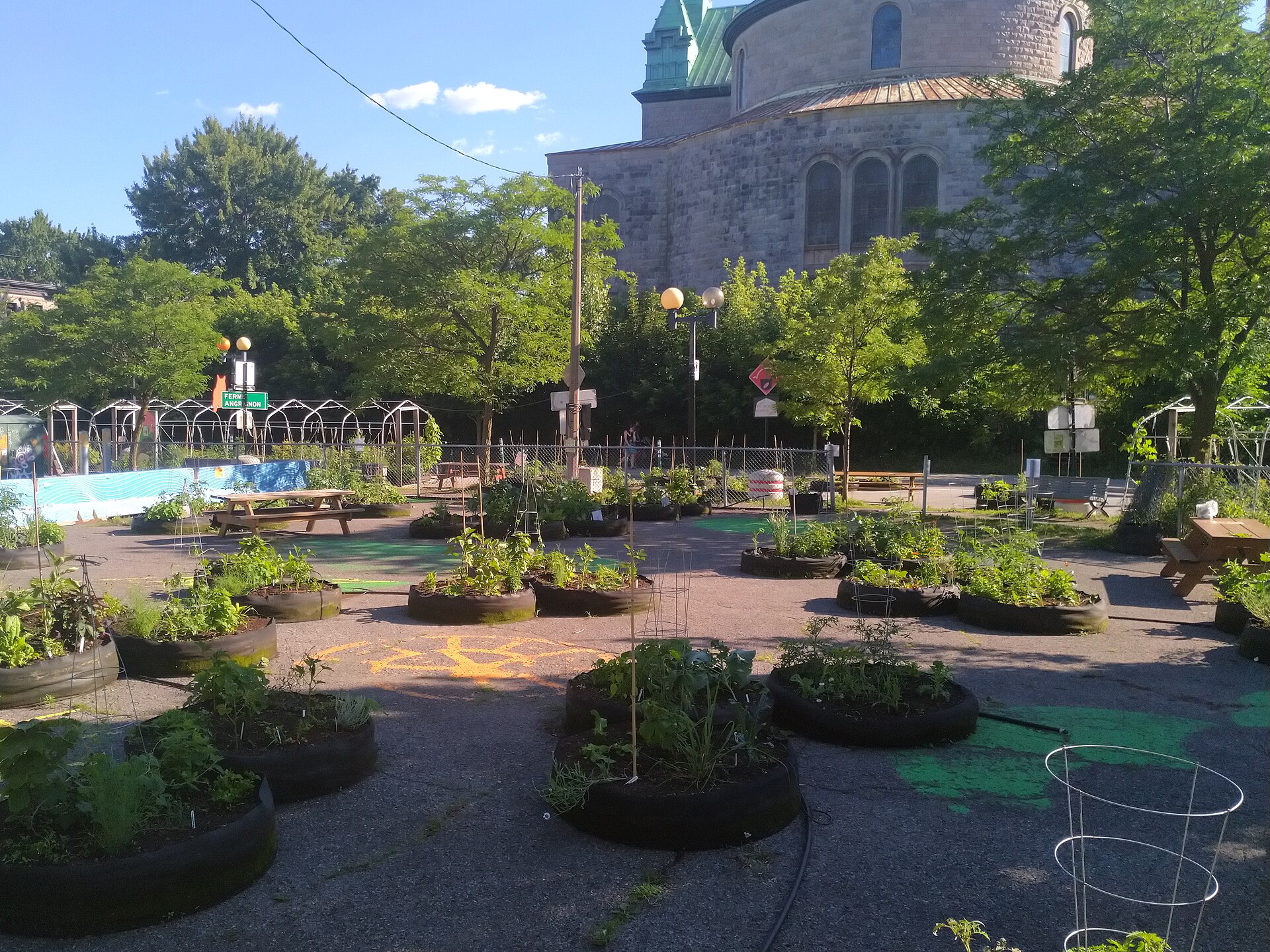
Shared places can bring neighbors into conversation. Their deeper value lies in the habits of welcome, cooperation, and care that people carry beyond them.
A neighborhood is more than a collection of addresses. It becomes a community when people have chances to recognize one another, exchange help, and take part in something shared. Those ties rarely appear all at once; they grow through ordinary, repeated contact.
The Centers for Disease Control and Prevention describes social connection through the size and diversity of a person’s network, the roles relationships play, and their quality. Its guidance points to community organizations and everyday settings as places where connection can be fostered. A garden is one small example—not a cure for every kind of isolation, but a place where people can work alongside one another without needing to agree on everything.
A shared space works only when the invitation is real. Clear schedules, accessible paths, manageable commitments, and ways to participate without spending money can widen the circle. So can making decisions openly and asking people who are new, busy, older, or often left out what would help them feel welcome.
Shared spaces can also bring friction: Who does the work? Who sets the rules? Who feels entitled to be there? Good stewardship means listening, sharing responsibility, and making expectations clear. Community should not become a polite name for asking a few volunteers to carry every burden.
Start with one small routine: join a neighborhood cleanup, visit a library program, tend a shared garden, or simply learn a neighbor’s name. Belonging does not require uniformity. It grows when people can enter, contribute, and disagree without being treated as outsiders. A garden cannot create that trust by itself; people cultivate it together.
Comments on Belonging Is Built in the Everyday