
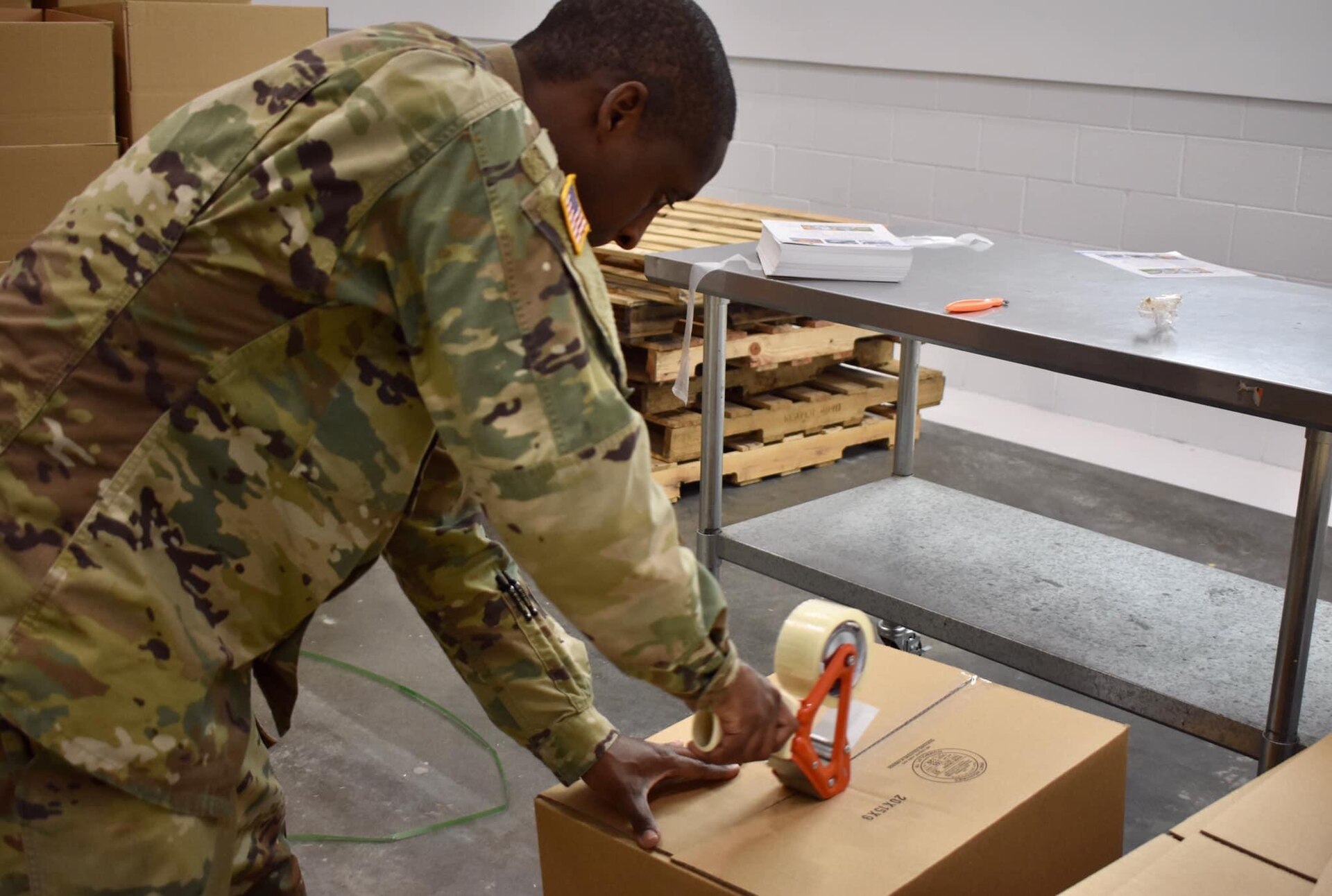
Food support is more than moving groceries from one place to another. It is a chance to practice practical solidarity while protecting the dignity and choices of neighbors.
Food is a daily necessity, so the way a community responds when a household needs support carries a message. It can communicate dignity and solidarity—or make people feel judged for asking. The difference is often found in the details: whether help is easy to find, whether people are treated with respect, and whether support responds to what households actually need.
Food banks and community kitchens depend on coordination among staff, volunteers, donors, and local partners. Volunteers may sort supplies, prepare meals, translate information, or help with distribution. The work matters, but it should be organized around the people seeking support—not around the convenience or recognition of the helpers.
A 2020 account from the Georgia National Guard described service members supporting local food-bank operations during the COVID-19 emergency. That moment shows how people and institutions can contribute together when needs rise. It is an example, not a formula for every community; lasting food access also depends on reliable organizations, thoughtful public policy, and resources that do not disappear when an emergency leaves the headlines.
Service is strongest when it protects choice and privacy, listens to feedback, and makes it straightforward to participate. Not everyone can give the same amount of time, and neighbors should not have to disclose more than necessary to receive help. Volunteer effort can strengthen essential services, but it cannot replace the professional work and public commitments needed to address hardship over time.
A useful first step is also a humble one: ask a local food organization what is needed, follow its guidance, and show up when you say you will. Donate requested items rather than whatever is easiest to clear from a cupboard. If you help organize a program, invite the people who use it to shape how it works. A shared table is not built by the person handing over a bag alone. It is built when a community makes care dependable and preserves everyone’s dignity.
Comments on A Shared Table Begins with Dignity