
A small business is more than a storefront or a business plan. It is a person taking a risk, serving customers, and trying to make a living. Real opportunity means helping that effort have a fair chance to last.
Starting a business can begin with a modest idea: a repair service, a neighborhood café, a childcare provider, or a skilled trade offered on one’s own terms. For the person starting out, the idea quickly becomes practical questions. Who might need this? What will it cost to open? How long until customers arrive? What happens if a month is slower than expected?
Those questions are not signs of weak ambition. They are part of taking an idea seriously. The Small Business Administration encourages people to research customers and competitors, estimate start-up costs, and write a plan suited to their needs. Its guidance also points entrepreneurs toward counseling resources. Advice cannot guarantee success, but it can help someone test assumptions before putting savings, time, or family stability at risk.
Access to financing is another part of the picture, though borrowing is not right for everyone. Federal Reserve Banks’ Small Business Credit Survey describes the financing experiences and challenges of small employer firms. Its findings remind us that a business can face real pressures even when the owner is working hard: operating expenses, uneven cash flow, and difficulty reaching customers can all weigh on a young or established firm. A loan may help in some situations; in others, better terms, practical guidance, or a different plan may be more useful.
Communities can support local businesses in ordinary ways: learn what they offer, pay invoices on time, share reliable information, and make permitting or small contracts easier to understand. Public programs should be clear about costs, eligibility, and results so support reaches people who can use it. And we should be honest that not every business will succeed. Closing a business can be painful, and it should not be treated as a personal failure or a debt people must carry silently.
Opportunity is not the promise that every idea will work. It is a fair chance to learn, make a considered attempt, and find help before a setback becomes a crisis. When entrepreneurs and their communities can make decisions with good information and fewer unnecessary barriers, the benefits can reach far beyond one business’s front door.
Sources and image credit
- U.S. Small Business Administration: Plan your business
- Federal Reserve Banks: 2025 Report on Employer Firms
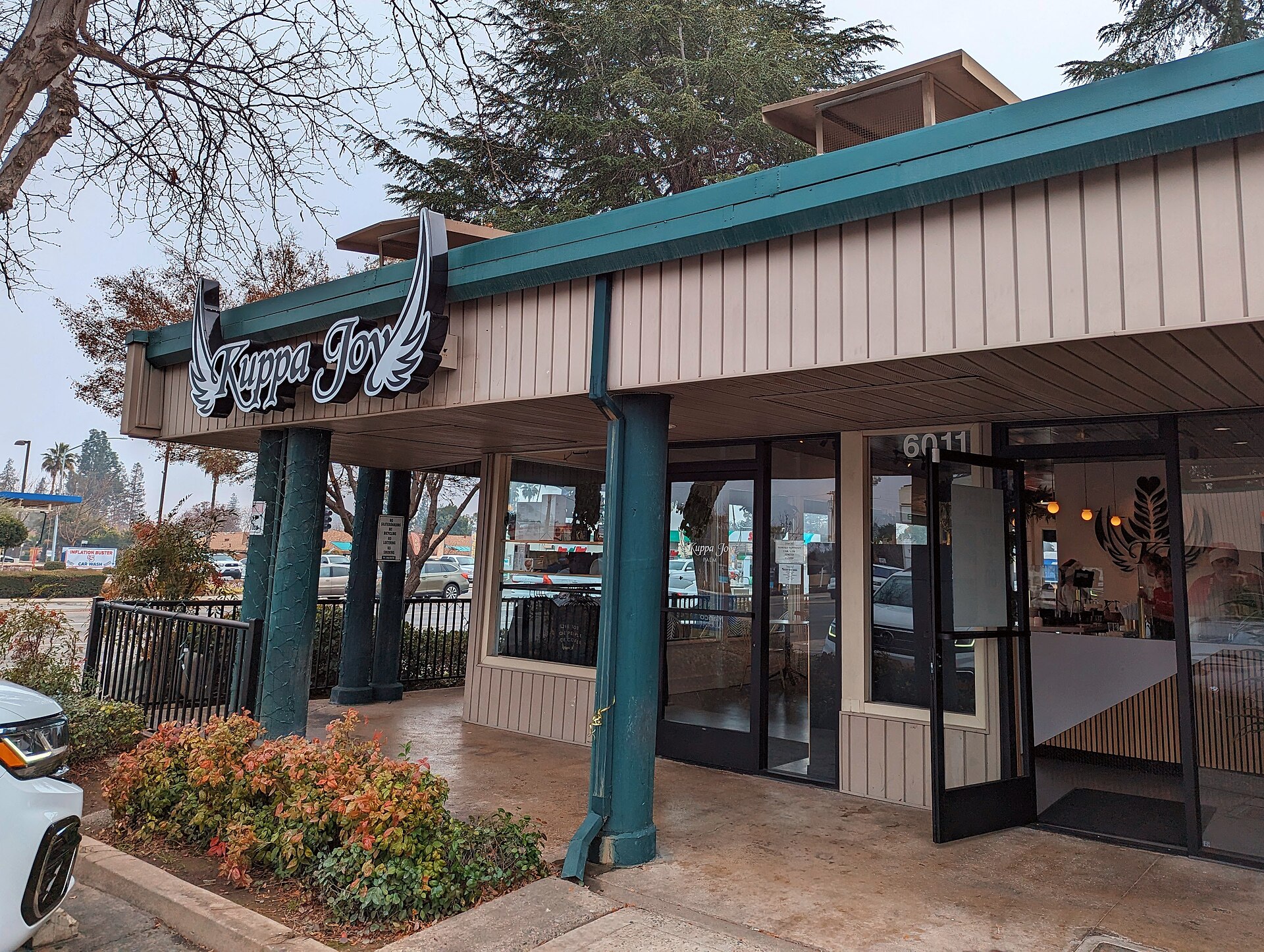
- Photo: DoulosBen, “Kuppa Joy coffee shop in Fresno, California,” Wikimedia Commons; CC BY 4.0. The photo is illustrative and does not imply the business’s endorsement.
Comments on Backing Small Business Means Backing the People Behind It