
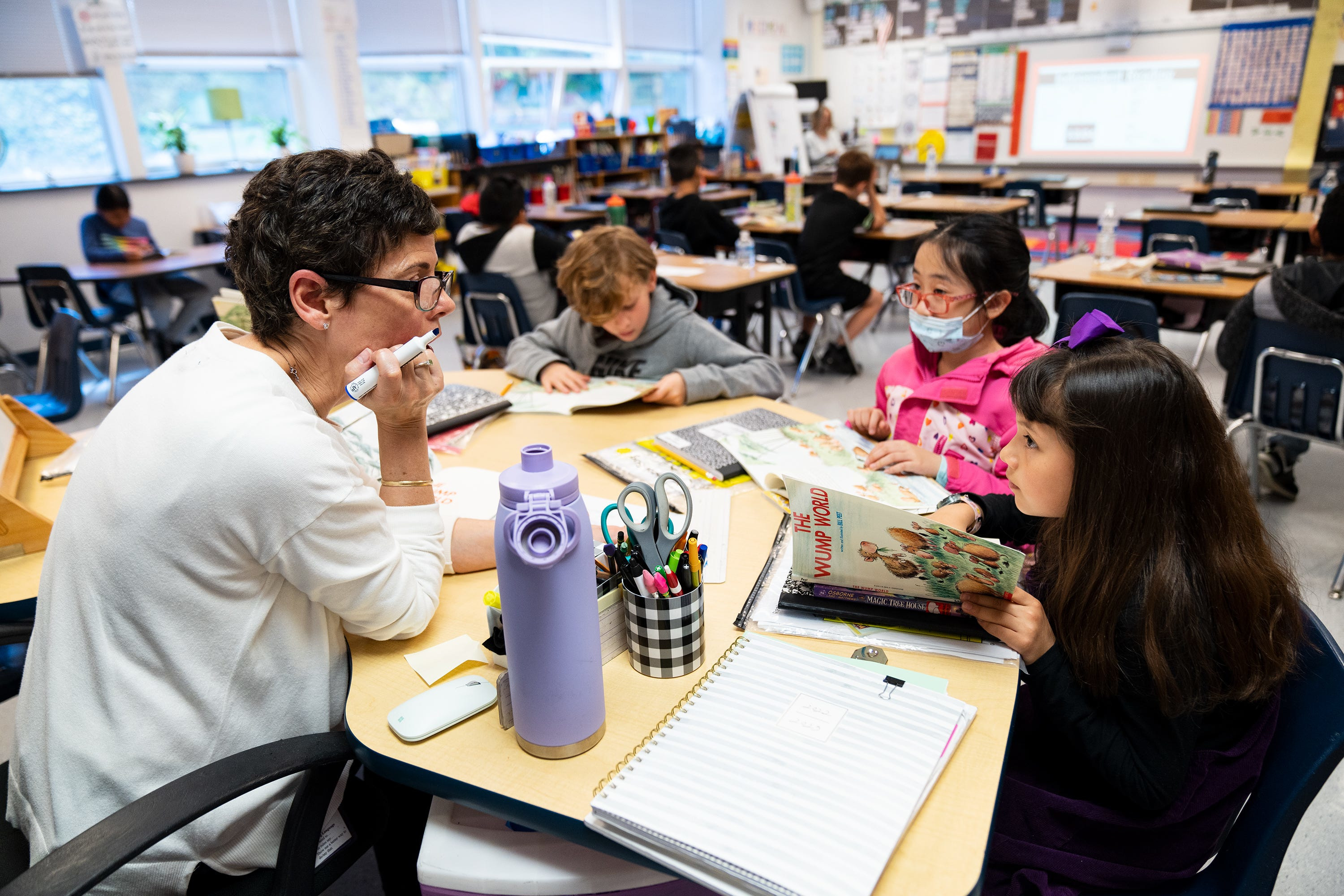
Self-government is sustained by people who take responsibility for shared life: listening, helping, asking questions, and holding institutions to their duties.
A republic is more than offices and election dates. It depends on citizens who understand that freedom includes responsibility for a shared world. That responsibility does not require agreement on every policy. It asks us to treat neighbors as people with equal standing, question power without abandoning fairness, and care whether institutions serve the public.
Neighborly action can be ordinary: helping someone reach a meeting, checking on a resident, mentoring a student, or joining an association. AmeriCorps and the Census Bureau track volunteering and other civic behaviors, recognizing that participation includes more than voting. Service cannot replace government’s obligations, but it can strengthen trust and reveal needs formal systems may miss. Civic friendship is the discipline of disagreeing without denying one another’s dignity.
Institutions remain responsible for public services and equal protection; volunteer goodwill cannot be used to excuse their failures. At the same time, a neighbor who helps organize or asks a careful question can make a system more responsive. The balance is important: service should strengthen civic life while keeping public officials answerable for duties only government can fulfill.
Comments on A republic of neighbors