
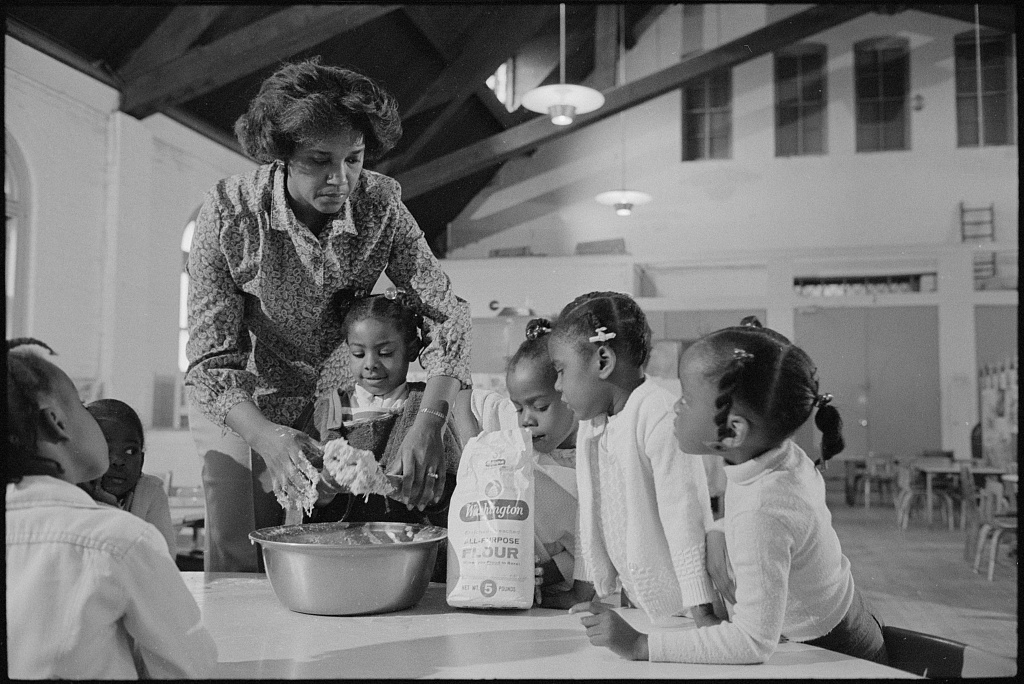
A parent's ability to work, learn, or begin a new chapter often depends on whether their child has a safe place to grow. Child care is more than a private household concern; it is part of the shared foundation that makes opportunity possible.
Opportunity is often described as a matter of ambition: the courage to apply, the discipline to study, the willingness to try again. But a parent weighing a new shift or a training program faces a practical question first: who will care for their child? When safe, dependable care is out of reach, the next step can be closed off for reasons that have little to do with a person's effort or ability.
Child care is part of the everyday infrastructure of work and learning. Dependable care lets parents show up for a job, class, or apprenticeship. Thoughtful early learning gives children room to explore, build trust, and develop. Both generations belong in the same picture of opportunity.
Families do not all need the same arrangement. Some choose child-care centers, family child-care homes, Head Start, relatives, or other settings. A good fit should respect a child's needs and a family's schedule, while offering safety and the confidence that a caregiver will be there when expected. Real choice matters because work and family life do not follow one template.
Cost can turn choice into constraint. ChildCare.gov explains that states and territories receive federal funds to help eligible low-income families pay for child care so they can work or attend school; eligibility rules differ by location. Head Start and Early Head Start also provide early learning and other supports at no cost to eligible families. These options can help, though families still need clear local information and enough available care to meet their needs.
Care is also skilled work. A community that depends on early educators should value the patience, judgment, and responsibility their work requires. Safe settings, clear standards, practical schedules, and accessible assistance are connected aims: each helps families trust the care their children receive and providers build stable programs.
People may reasonably disagree about the right balance of public support, employer benefits, and private choice. Yet one principle is hard to dispute: a parent cannot take a meaningful next step if care is unavailable or unaffordable. Communities make opportunity real when families have room to earn, learn, and care for one another. Child care is not a side issue in that story; it is one of the conditions that lets the story begin.
Comments on Child Care Is Part of the Opportunity Equation