
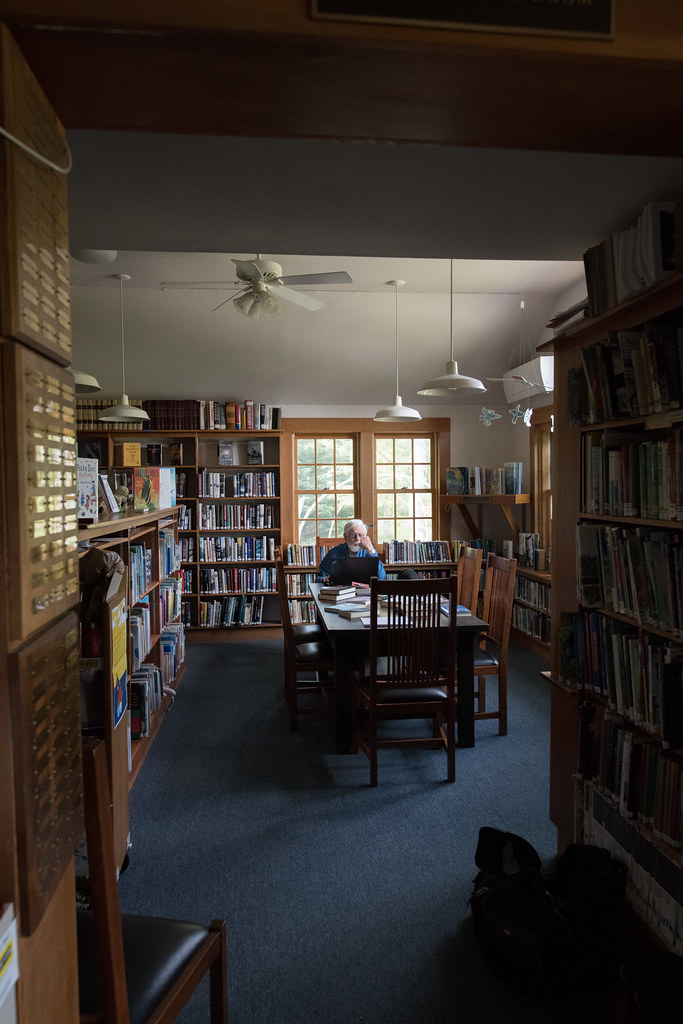
A connection that reaches a home, library, or small business can change what people are able to do. But broadband becomes opportunity only when service is reliable, affordable, and useful in daily life.
For many people, a reliable internet connection has become part of the everyday infrastructure of work, learning, health care, and civic life. Yet opportunity is not evenly distributed when service is missing, too costly, or too unreliable to use when it matters.
A 2024 NTIA fact sheet, drawing on the latest Internet Use Survey available at the time, reported that roughly one in six American households was not connected to the internet. It also described lower access and adoption in rural communities, Tribal lands, and lower-income neighborhoods. Those figures do not tell every community's story, but they make clear that access remains an uneven starting point.
In the Cranberry Isles off the coast of Maine, the U.S. Department of Agriculture documented how new broadband service changed daily work. A university instructor could communicate with students and review their work from home instead of relying on the local library's connection. The same account describes an island fishermen's cooperative that depends on stable computer connections to pay fishermen and sell products. The value of a network is visible in those ordinary tasks: teaching, earning, and keeping a local business moving.
Building infrastructure is essential, but a cable alone is not the whole answer. People also need service they can afford, a working device, the skills to use it, and support when something goes wrong. The NTIA Broadband Equity, Access, and Deployment program allows funding for infrastructure as well as activities such as access, adoption, workforce readiness, and meaningful use. That broader view recognizes that connection is a means, not an outcome by itself.
Public decisions should ask more than how many miles of network were built. Can residents connect at a price they can sustain? Can a student, older adult, worker, or small-business owner rely on it? Do libraries, schools, and community institutions have the capacity to help people make use of it? Those questions bring accountability back to human experience.
Technology cannot replace every face-to-face service or solve every barrier to opportunity. But dependable broadband can make existing doors easier to reach and help local people open new ones. The measure of progress is not simply a faster signal; it is whether more neighbors can use that signal to learn, work, care for one another, and take part in community life.
Comments on A Reliable Internet Connection Opens Doors