
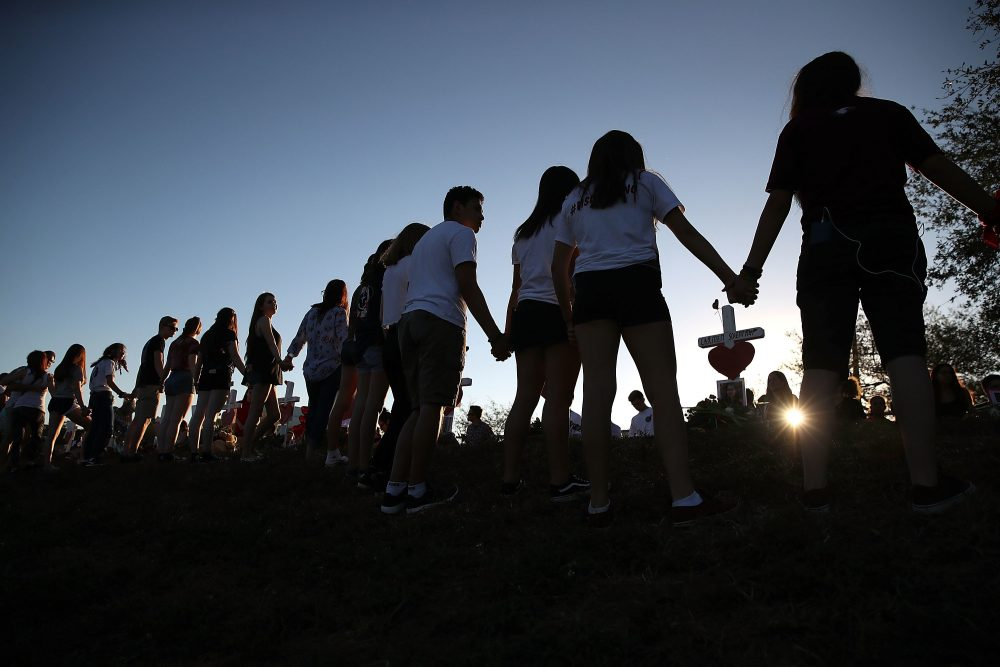
Strong neighborhoods are built when residents help define local priorities, work across differences, and can see whether community efforts make a difference.
Community renewal is not a slogan or a grant announcement. It is the patient work of understanding what people need, deciding together what can be done, and building relationships that last beyond a single event. The best starting point is often a question asked in good faith: what would make daily life safer, healthier, or more hopeful here?
Residents bring knowledge that national organizations may not have: which bus route is unreliable, where a young person can find a mentor, or which public space feels neglected. That knowledge should inform decisions, but participation must be more than a listening session. Organizers should explain what they can do, publish next steps, and report back when a proposal cannot be carried out. Renewal is built with communities, not delivered to them.
A credible plan should also be modest about what it can deliver. Set a clear goal, identify who is responsible, and choose a measure residents can understand. If the work falls short, say so and explain what will change. That kind of accountability is not a threat to community pride; it is how people know their effort was taken seriously.
Comments on Community renewal begins with listening and local action