
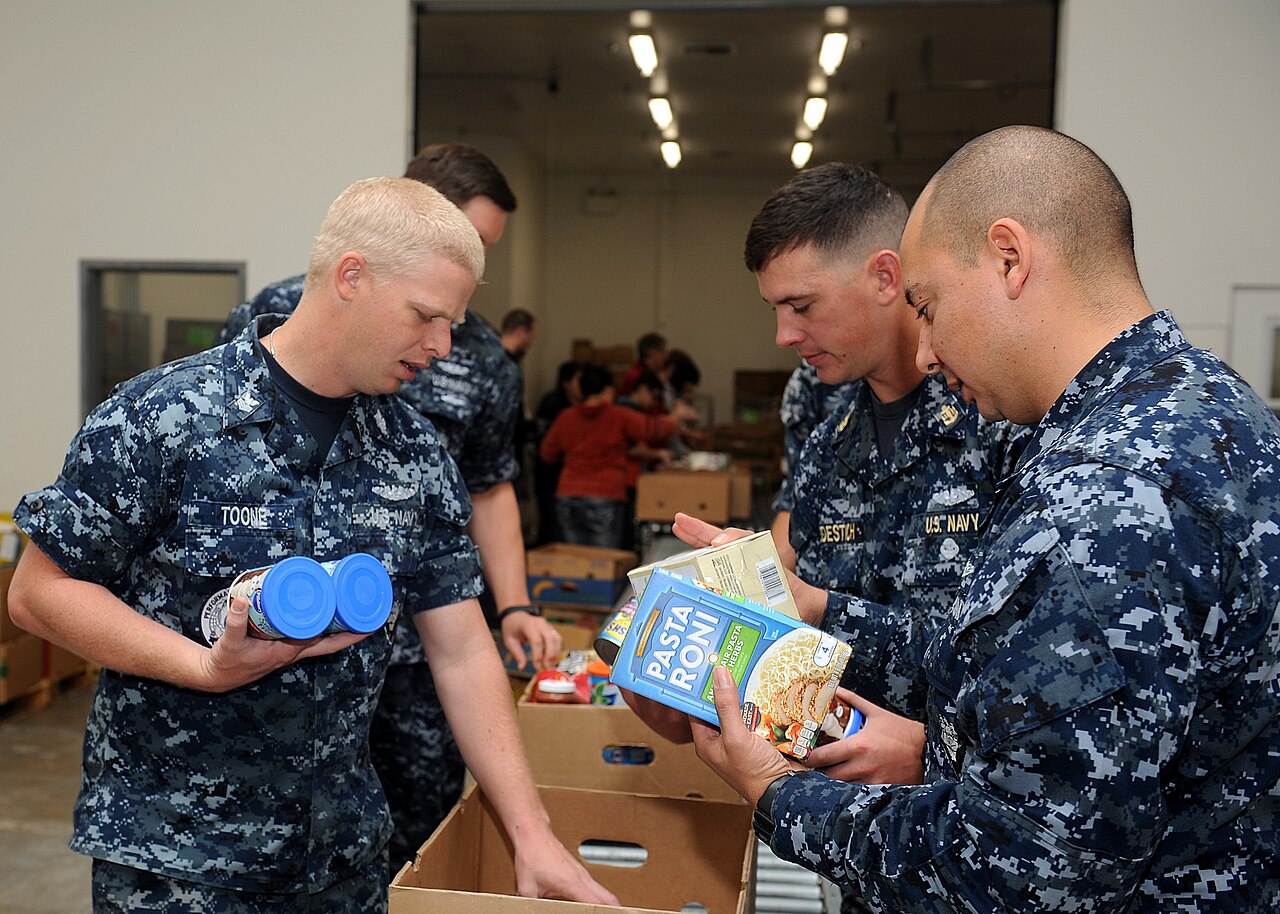
A meal, a ride, or a few hours of help can matter immediately. Service is strongest when it also listens and supports durable answers to hardship.
A volunteer shift can turn concern into something tangible: food sorted, a neighbor checked on, or a community space made usable. That work deserves respect. It also deserves honesty about what a short-term project can and cannot solve. A single day of service is not a substitute for the year-round work of families, food banks, schools, and public programs.
The USDA’s 2024 food-security report found that 13.7 percent of U.S. households experienced food insecurity during that year. The measure captures difficulty providing enough food because of limited resources; it is not a judgment about effort or character. Local responses can include food assistance, reliable transportation, school meals, and support that helps families manage unstable expenses. Start by asking what is useful, coordinate with organizations already doing the work, and protect the dignity of those receiving help.
The most respectful service projects ask before they act. A food bank or school may know which items are needed, how to distribute them safely, and what would create extra work. Volunteers can follow that guidance, protect privacy, and return when invited. Listening turns generosity into partnership and helps keep attention on the people behind the statistics.
Comments on Community service can help today—and point toward lasting solutions