Danbury Fair mall is experiencing significant growth with new stores like Jack & Jones, Pop Mart, and gorjana, alongside renovations of existing retailers. The mall’s strategic location and diverse offerings continue to attract shoppers, while experts emphasize the importance of adapting to online shopping trends and community needs to ensure long-term success.
The article critiques Joy Reid's opposition to libertarian policies and her portrayal of conservatives’ aims as regressive. It argues that her fears of a return to past societal hierarchies are unfounded and that her opposition to individual liberty is rooted in a misunderstanding of conservative and libertarian proposals. It emphasizes that true freedom would benefit all Americans, including minorities, and points out the hypocrisies in leftist ideology concerning regulation and taxation.
This article explores how the massive layoffs and budget cuts at the IRS, particularly at the Ogden service center, are impacting the local community, its economy, and political landscape. Despite strong support for Trump in Ogden, the community faces economic instability, loss of experienced workers, and political tension, raising questions about the broader consequences of federal austerity measures.
This article reflects on personal milestones and discusses recent tax-related changes, including the phasing out of paper refund checks by the IRS, the suspension of employer 401(k) matches, housing affordability issues, adjustments to capital gains exclusions, implications of recent tax legislation, and upcoming deadlines and events. It also explores a notable FBAR enforcement case, the potential impact of a government shutdown, and encourages tax professionals to participate in pro bono activities during October.
This article critiques the tax cuts associated with the federal megabill, highlighting that the benefits are heavily skewed toward the wealthy while most Michiganders see minimal or negative impacts. Experts emphasize the importance of accurate data, illustrating that averages can be deceptive and that the real story reveals increased costs for health, food, and essentials for the majority of residents, despite the illusions of broad tax benefits.
Professors David Gamage and Darien Shanske explore the potential for implementing state-level wealth taxes in the U.S., discussing how they could work, legal challenges involved, and the importance of such reforms for economic fairness and funding public programs. They highlight the limitations of current taxation on the ultra-wealthy and analyze behavioral responses to proposed wealth taxes, emphasizing the role of federal constitutional law and the likelihood of states adopting these measures in the future.
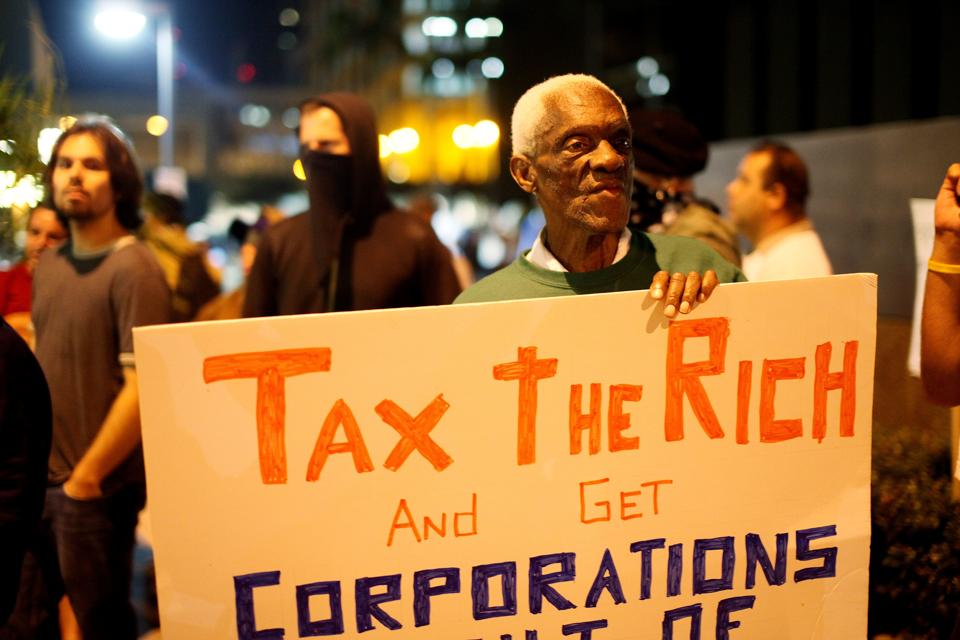
The article examines how recent tax legislation, including the One Big Beautiful Bill Act, primarily benefits the ultra-wealthy through tax cuts, loopholes, and carve-outs, while increasing inequality and complicating the tax system. It highlights how these changes erode fiscal fairness, reduce the tax base, and shift the burden away from the rich and corporations, at the expense of middle- and low-income families, and discusses potential long-term consequences for the country's revenue and social equity.
This article discusses potential new IRS rules targeting business partnerships, which could result in a $730 billion tax increase over ten years. Critics warn that these changes, introduced without congressional approval, threaten to undo efforts to ease the tax burden on businesses and could harm economic growth and job creation.
This article discusses upcoming changes to the 2026 tax year, including new tax brackets, form updates, compliance penalties, and IRS procedural adjustments. It highlights the introduction of new forms such as Schedule 1-A and changes to existing forms like 1040 and W-2. The piece also covers related topics like IRS address changes for payments, the closure of certain Taxpayer Assistance Centers, and the importance of proactive tax planning in light of recent legislative updates such as the One Big Beautiful Bill Act. Additionally, recent developments regarding tax compliance and the intersection with immigration law are examined, along with a reminder of important deadlines and upcoming tax events.