

Show Caption
The District 2 Democratic primary pits longtime state Rep. Stephanie Bolden against community advocate Michelle Booker in a Wilmington district that includes downtown, the East Side and parts of the Northeast.
Bolden has been in the House for more than a decade, and she is the longest-serving elected African American woman in Delaware. She was also the second woman to be elected onto Wilmington City Council, where she served five terms.
Booker is a community advocate running on a platform of community safety and responsible growth in Wilmington.
The primary will effectively decide the race, with no opponent awaiting the winner in November.
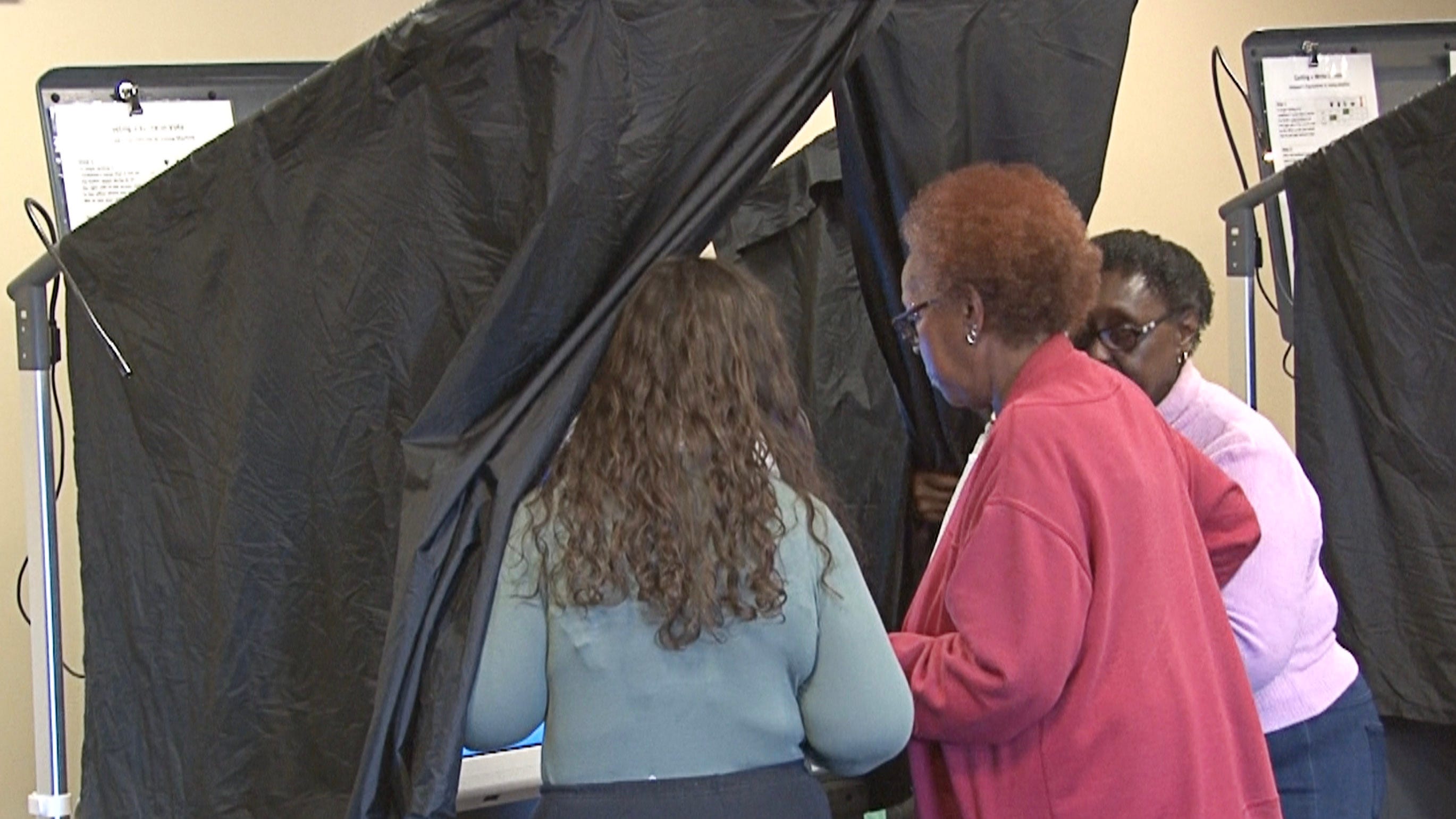
Primary elections will be held from 7 a.m. to 8 p.m. on Sept. 15 in Delaware this year. Find your polling place at ivote.de.gov.
Delaware Online/The News Journal sent each candidate in this election an identical questionnaire. Their responses are published below, edited only for grammar.
Stephanie Bolden
Rep. Bolden did not respond to the questions as of Sep. 1.
Michelle Booker
Name: Michelle BookerResidence: Wilmington DEAge: 58Occupation: DART First State ParatransitEducation: Newark High SchoolCornerstone Christian Correspondence School - High School Diploma Smart Horizons - Child Development Associates Degree - Certified To Work With Children With DisabilitiesBoulden Seminary- Associate DegreeCampaign website: michellebooker.com
Question: Why are you running, and what is the most important issue facing your district?
Answer: I was born and raised in Southbridge and made my life here in Wilmington, and I've watched this community's problems get worse, not better, under years of the same leadership. I didn't wait for someone else to fix it. I started programs, I fed people, I knocked on doors. I'm running because what we've been doing isn't working, and District 2 deserves a fresh mind and someone who actually lives what our neighbors are living.
The most important issue facing my district is safety and survival, and they're tangled together. The fentanyl crisis, gun violence, and trafficking are tearing at our neighborhoods, and families can't get ahead when they don't feel safe and can't afford to stay. But I don't believe you police your way out of this. These problems grow out of poverty, trauma, and a lack of opportunity, so that's where I'd put the state's effort: treatment and recovery, community violence intervention led by people from here, and real pathways to jobs and housing. Address the root causes, and you make the whole community safer.
How should Delaware ensure property reassessments are fair and prevent sharp tax increases for homeowners?
Reassessment was necessary. The old values were decades out of date and unfair. But in a community like mine, a sudden jump in assessed value can push longtime homeowners, many of them Black and working-class families, right out of homes they've owned for generations. Preventing that displacement is my top concern.
The state should make sure counties can phase in large increases gradually instead of dropping the full jump on families at once, and build in strong protections for seniors and people on fixed incomes so a reassessment never forces someone to sell. I'd also protect the generational wealth these homes represent. For many families in District 2, the house is the only wealth they have to pass on, and we can't let a tax bill erase it.
Fairness also means transparency: every homeowner should be able to see how their assessment was calculated and have a real, accessible way to appeal it. A fair system asks everyone to pay their true share while making sure no longtime homeowner loses their home to a number they never saw coming.
What changes would you make to Delaware's education funding system, and how would you improve student outcomes?
I'd fund schools so that resources follow students' needs, not their neighborhood's property values. Right now the schools in District 2 don't have the counselors, programs, and facilities that kids in wealthier parts of the state take for granted, and that gap shows up in outcomes. I want every child in my district to walk into a school as well-supported as any child in Delaware.
Better outcomes here aren't only about test scores; they're about keeping kids engaged and out of trouble. I'd invest in after-school and life-skills programs that keep students on track, and expand the counseling and support services that help us dismantle the school-to-prison pipeline instead of feeding it. And I'd build real pathways connecting young people to the trades and career opportunities, so a diploma opens a door to a good-paying job.
Kids do better when their basic needs are met, when a trusted adult is paying attention, and when they can see a future worth working toward. Fund schools fairly, wrap real support around students, and give them a clear path forward. That's how we change outcomes in communities like mine.
How should state and local governments balance development with concerns about traffic, infrastructure, farmland and open space?
In a city district like mine, "growth" usually shows up as development pressure and rising rents that push longtime residents out, so for me, balancing development starts with making sure it serves the people already here rather than displacing them. When developers build in our neighborhoods, the "affordable" units should be genuinely affordable to the incomes of the people who live there, and public investment should go toward strengthening existing communities, not just new construction.
Statewide, I do think we should be smart about growth: direct investment into the towns and infrastructure we already have instead of paving over farmland and open space, and require new development to help pay for the roads, water, and services it demands rather than handing that bill to existing taxpayers. Whether it's a Wilmington block or a downstate field, the same principle holds: plan growth around the people and places we already have, and don't let development run ahead of the infrastructure and protections our communities need.
What is one specific action you would support to make Delaware government more transparent and accountable?
One specific action I'd support is real, independent oversight with teeth for public officials, especially in public safety, so that when law enforcement or other officials abuse their authority or violate community members' rights, there's an accountable body with the power to investigate and act, and the findings are made public. In communities like mine, trust in government is broken precisely because people have watched misconduct go unexamined, and transparency is how you begin to rebuild it.
Accountability also means following the money. When the state spends public dollars on housing, policing, or services in District 2, residents deserve to see clearly where that money goes and whether it's actually reaching the neighborhoods it's meant for. Putting that information in public view, in plain language rather than buried in reports no one reads, lets residents and journalists judge the results for themselves and hold all of us accountable for delivering them.
What transportation or infrastructure project should be the state's top priority, and how should it be funded?
My top infrastructure priority is investing in the neighborhoods Delaware has neglected for too long. In parts of Wilmington like Southbridge, families live with aging water and sewer systems and streets that were never built for the challenges they face today, while reliable public transit that actually connects residents to jobs, healthcare, and school is still out of reach for too many. I'd prioritize modernizing that aging infrastructure and strengthening dependable transit for the people who depend on it most.
This should be funded through the state's capital and transportation budget, with a deliberate commitment to direct that investment toward historically underinvested communities rather than only the areas that already get attention. For too long, the neighborhoods with the least political power have gotten the least infrastructure. Prioritizing them isn't just fair. It's how you keep working families connected to opportunity and safe in their own homes.
What should Delaware do to address rising housing and cost-of-living challenges?
Housing is where the squeeze hits hardest in my district, so I'd start by making "affordable" mean something real: housing units that are actually within reach of the incomes of the people who need them, not just labeled affordable on paper. I'd expand rental assistance and housing subsidy programs so working families aren't priced out, and create strong protections for longtime homeowners facing tax-driven displacement, so families can hold onto the generational wealth their homes represent.
Cost of living is more than rent, though. Health care costs are crushing families too. I support creating a Prescription Drug Affordability Board to bring down what people pay at the pharmacy, cutting premiums for families and small businesses, ending surprise medical bills, and getting medical debt off people's credit reports so one illness doesn't wreck a family's finances for years.
When you protect people in their homes, keep rent within reach, and stop health care costs from draining every paycheck, you give working families in District 2 a real chance not just to get by, but to build something lasting.